



The QIP is more than a compliance document; it’s a living reflection of our service’s journey toward excellence. For it to truly represent practice, educators must be actively involved in shaping, reviewing, and updating it.

Exceeding Theme 3: Practice is shaped by meaningful engagement with families and/or the community. It focuses on practice being shaped by meaningful engagement with families and the community. It highlights that high-quality services don’t operate in isolation; educators actively collaborate with families, children, and community partners to co-construct learning, well-being, and service identity.

Children’s questions are the heartbeat of inquiry-based learning. A simple “I wonder…” can ignite a journey of discovery that stretches across science, art, literacy, and community engagement. As educators, our role is to notice these sparks, nurture them, and scaffold them into meaningful projects.
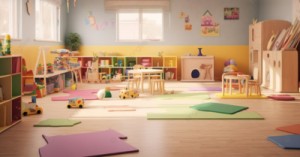
Quality Area 3 (QA3) focuses on the physical environment, its design, safety, inclusivity, and how it supports children’s learning and well-being. Just like QA1 evidence folders, educators can build QA3 evidence folders to showcase how their service maintains and improves environments for children.
Many educators feel pressure to capture observations quickly during busy routines. It’s common to feel “blank” in the moment, only to think of better wording later. Using a small notepad or digital prompt list can help you anchor your observations with developmental language.

Quality Area 2 (Children's Health and Safety) of the NQS focuses on ensuring children’s health, safety, and well-being. While assessors often rely on observation and discussion, many services find it helpful to collate supporting documentation in a dedicated evidence folder. This provides clarity, consistency, and confidence when demonstrating compliance.

Quality Area 1 (Educational Program and Practice) of the NQS focuses on how services design, implement, and reflect on programs that support children’s learning and development. While assessors often emphasize critical reflection and the QIP, many services find it helpful to collate evidence in a dedicated folder for clarity and consistency.

Child-led programming places children’s interests, choices, and agency at the heart of curriculum design. Rather than educators dictating activities, the program evolves from what children notice, question, and explore. This approach fosters creativity, independence, and authentic engagement.

Reggio Emilia documentation is a cornerstone of the Reggio philosophy. It’s not just record-keeping—it’s a way of making children’s learning visible, meaningful, and valued.

March offers a vibrant mix of cultural celebrations, awareness days, and playful observances. These programming ideas help educators embed inclusion, creativity, and wellbeing into daily routines while linking to EYLF Outcomes.
