


A rotation calendar is a powerful tool for educators to intentionally schedule and manage the refresh of learning environments, materials, and activities. When paired with a program plan, it ensures that both the physical setup and the learning journey are purposeful, engaging, and aligned with the EYLF.

Strengths-based documentation is more than a compliance tool, it’s a way of honouring children’s voices, identities, and learning journeys. By mapping affirming, child-centered phrases directly to the EYLF Learning Outcomes, educators can embed the framework naturally into observations, induction processes, and audit preparation. This guide offers a practical cheat sheet tailored to infants, toddlers, and preschoolers, supporting emotionally intelligent practice and sector well-being.
Observation, linking EYLF Outcomes and evaluation are the backbone of meaningful documentation. Yet many educators feel overwhelmed by duplication or unsure about what’s required. The good news: it’s simpler than you think.
This guide shows the easiest way to document observations, link EYLF outcomes, and write evaluations, without unnecessary repetition.

Q: A strengths-based approach focuses on what children can do, rather than what they lack. It celebrates each child’s capabilities, interests, and efforts and uses these as the foundation for learning and development.

A: While photos can enrich documentation by capturing moments visually, many observations are just as powerful when conveyed through thoughtful narrative, voice transcripts, symbolic sketches, or emotionally intelligent reflection.

Halloween is more than costumes and candy; it's a cultural moment that invites play, storytelling, and community connection. But beneath the surface, it also offers a rich opportunity for reflection. What are we celebrating, and how does it shape our values, identities, and relationships? Here’s a thoughtful set of critical reflection questions for families considering whether to celebrate Halloween, designed to support values-based decision-making, emotional safety, and inclusive dialogue.
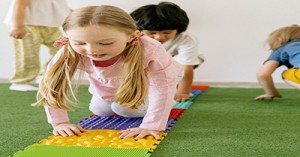
Outcome 3 of the EYLF, Children have a strong sense of well-being, which reminds us that physical health and emotional safety are deeply connected. In early childhood, well-being is expressed through movement, rest, nutrition, emotional regulation, and trusting relationships. The following article translates the outcome into simplified language to support educators in recognising and documenting moments where children care for their bodies, express their feelings, and build resilience.

In the rhythm of early childhood education, weekly programs often become the heartbeat of practice—a steady pulse of planned experiences, observations, and reflections. But what transforms a weekly plan from “meeting expectations” to “exceeding standards”? The answer lies not in the template, but in the texture of the program itself.

In early childhood education, the most powerful tools aren’t found in policy binders or compliance checklists—they’re embedded in the emotional fabric of our relationships. Emotional intelligence isn’t a soft skill; it’s a pedagogical framework. It shapes how we teach, how we document, and how we restore dignity to the everyday moments that define a child’s learning journey.

Outcome 2 of the EYLF—Children are connected with and contribute to their world—reminds us that belonging is not just about being present but about feeling valued, included, and empowered to make a difference. The following article translates the outcome into simplified language to support educators in recognising and documenting moments of empathy, cooperation, and community-building.
