



The Working with Children Check (WWCC) is indeed a crucial requirement for anyone involved in child-related work in New South Wales (NSW). It includes a National Police Check and a review of reportable workplace misconduct. The following article provides information on applying for a WWCC in NSW.
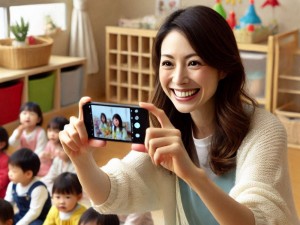
Educators should never use a personal electronic device to photograph children, or record audio or visual images of children for any purpose, including to document children’s learning. The following article provides information on The National Model Code which addresses the use of service-issued electronic devices and personal electronic devices while providing children’s education and care, including taking images or videos of children.

The role of an educational leader in early childhood settings in Australia is multifaceted and crucial for the development and implementation of high-quality educational programs. The following articles provides information on Position Description For An Educational Leader, Skills Of An Educational Leader, Educational Leader Allowance, Supporting Educators, Motivating and Inspiring As An Educational Leader and more.

A nice way to say Thank You to Educators for all their hard work and dedication for the year is with an end of year gift. The following provides gift ideas for Educators that are thoughtful and cost effective.
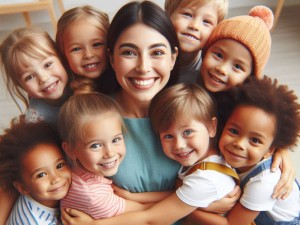
Giving an end of year keepsake to children is a sweet and meaningful way to say Thank You and Goodbye to each child that you have watched grow, develop and love over the past year. The following article provides ideas for easy DIY gifts that are creative and thoughtful.
When an employee is fired in a severe, unfair, or irrational way, it is known as an unfair dismissal. The law protects many employees from unfair dismissal. The following article provides information on What Is Dismissal, What Is Unfair Dismissal, Minimum Employment Period, Applying For Unfair Dismissal, Remedies For Unfair Dismissal and more.
Sun safety is crucial in early childhood services to protect young children from the harmful effects of ultraviolet (UV) radiation. The following article provides Strategies And Guidelines To Ensure Sun Safety, The Importance Of UV Levels When Playing Outside In Childcare, What Are The Recommended UV Levels For Playing Outside, Where To Monitor UV Levels and more.
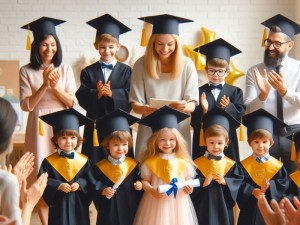
Preschool graduation is a special milestone that celebrates the transition of young children from preschool to kindergarten. It's a time to recognize their growth, achievements, and readiness for the next stage of their educational journey. The following article provides information on What Is Preschool Graduation, Strategies To Implement A Preschool Graduation, How To Get Children Involved In Their Preschool Graduation, What Does A Genuinely Inclusive, Child-focused Graduation Look Like and more.

A Diploma Of Early Childhood Education and Care opens up a variety of rewarding career opportunities. The following article provides potential career opportunities for Educators who have completed a Diploma Of Early Childhood Education and Care.
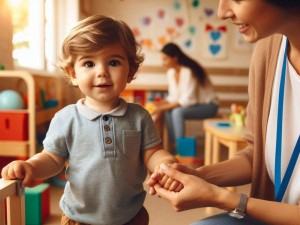
Transitioning children into a new room in childcare can be a smooth and positive experience with the right strategies. The following article provides information on When To Transition A Child Into A New Room In Childcare, Strategies To Support Transition To A New Room and more.
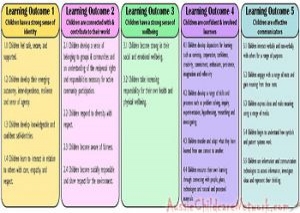 Here is the list of the EYLF Learning Outcomes that you can use as a guide or reference for your documentation and planning. The EYLF… Read More
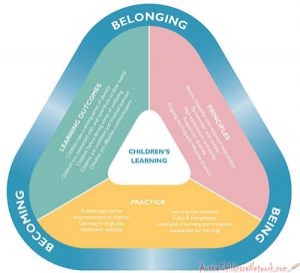 The EYLF is a guide which consists of Principles, Practices and 5 main Learning Outcomes along with each of their sub outcomes, based on identity,… Read More
 This is a guide on How to Write a Learning Story. It provides information on What Is A Learning Story, Writing A Learning Story, Sample… Read More
 One of the most important types of documentation methods that educators needs to be familiar with are “observations”. Observations are crucial for all early childhood… Read More
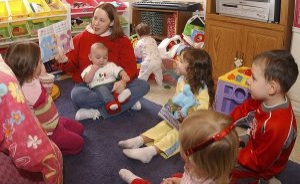 To support children achieve learning outcomes from the EYLF Framework, the following list gives educators examples of how to promote children's learning in each individual… Read More
 Reflective practice is learning from everyday situations and issues and concerns that arise which form part of our daily routine while working in an early… Read More
 When observing children, it's important that we use a range of different observation methods from running records, learning stories to photographs and work samples. Using… Read More
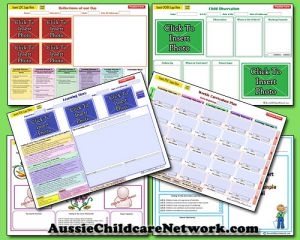 Within Australia, Programming and Planning is reflected and supported by the Early Years Learning Framework. Educators within early childhood settings, use the EYLF to guide… Read More
 This is a guide for educators on what to observe under each sub learning outcome from the EYLF Framework, when a child is engaged in… Read More
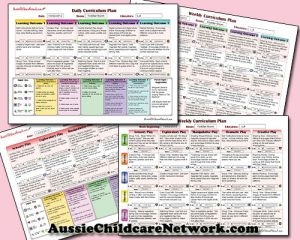 The Early Years Learning Framework describes the curriculum as “all the interactions, experiences, activities, routines and events, planned and unplanned, that occur in an environment… Read More
Australia Day, observed on 26 January, is a day of celebration for some but a...
See more...
The International Day of Happiness, observed globally on 20th March, is an opportunity to highlight...
See more...
Children are naturally curious about their surroundings; this is most often expressed in the way...
See more...