



Writing transition statements in early childhood education is an important task that helps ensure a smooth transition for children moving from early childhood settings to primary school. The following article provides information on the Purpose Of Transition Statements, Key Components Of Transition Statements, Tips For Writing Transition Statements, Examples and more.
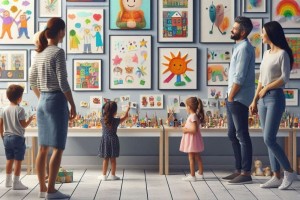
Showcasing children’s work creatively can boost their confidence and make them feel valued. The following article provides information on Showcasing Children's Work, Showcasing Children's Work Outdoors, Showcasing Ongoing Projects, Showcasing Collaborative Projects and more.
The theme of this year's Children's Week is Article 24 of the United Nations Convention on the Rights of the Child (UNCRC) - Article 24 Children have the right to a clean and safe environment. The following article provides information on Article 24, Practical Strategies To Achieve A Clean and Safe Environment For Children and more.
Celebrating children’s achievements in early childhood is crucial for their development and self-esteem.
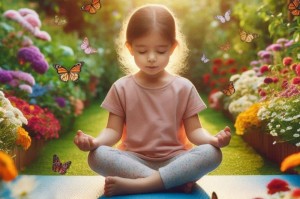
Meditation can be a wonderful tool for preschoolers to help them relax, focus, and manage their emotions. The following article provides simple and engaging meditation activities for young children.
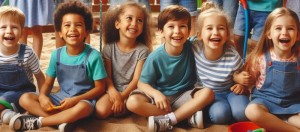
Supporting the mental health of toddlers and preschoolers is crucial for their overall development. The following article provides information on effective strategies including Building Trusting Relationships, Teach Social Emotional Skills, Encourage Positive Interactions, Create A Multi Rich Environment, Professional Development and more.
The following lists useful contacts if you have a question or need support as a provider and for early learning services.

Providers of childcare care or early childhood educational services are required to get their service rated for quality by regulatory authorities. Quality ratings are provided after assessments against the seven quality areas outlined in the National Quality Standard or NQS. If your service has been rated ‘Working Towards’, here it what means and what you can do to improve your rating.
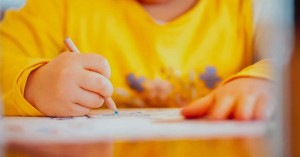
Visual Motor Integration covers efficient and effective coordination between the eyes and the hands so that children are able to copy, draw or write what they see. Since children develop their handwriting based on what they see in a model and then imitate it in their own writing, they need to have effective Visual Motor Integration. The following article provides information on What Is Visual Motor Integration, VMI and Handwriting, Improving Visual Motor Skills and more.
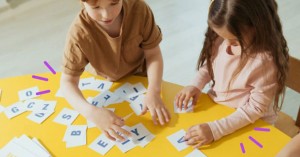
At its simplest, communication is the process of sending and receiving information between two or more people. Visual communication involves the exchange of information using pictures, imagery, symbols and signs. The following article provides strategies for using visual communication with children.
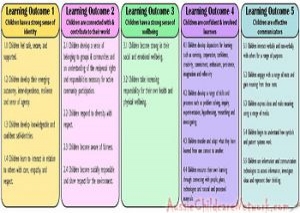 Here is the list of the EYLF Learning Outcomes that you can use as a guide or reference for your documentation and planning. The EYLF… Read More
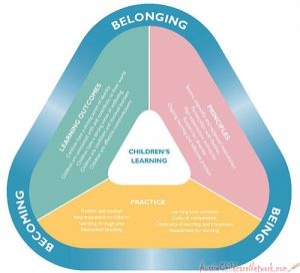 The EYLF is a guide which consists of Principles, Practices and 5 main Learning Outcomes along with each of their sub outcomes, based on identity,… Read More
 This is a guide on How to Write a Learning Story. It provides information on What Is A Learning Story, Writing A Learning Story, Sample… Read More
 One of the most important types of documentation methods that educators needs to be familiar with are “observations”. Observations are crucial for all early childhood… Read More
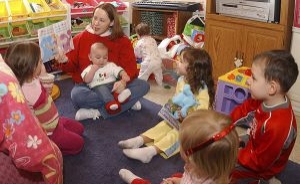 To support children achieve learning outcomes from the EYLF Framework, the following list gives educators examples of how to promote children's learning in each individual… Read More
 Reflective practice is learning from everyday situations and issues and concerns that arise which form part of our daily routine while working in an early… Read More
 When observing children, it's important that we use a range of different observation methods from running records, learning stories to photographs and work samples. Using… Read More
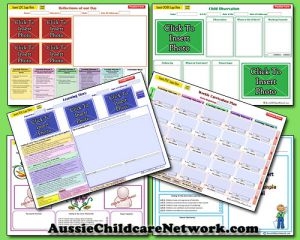 Within Australia, Programming and Planning is reflected and supported by the Early Years Learning Framework. Educators within early childhood settings, use the EYLF to guide… Read More
 This is a guide for educators on what to observe under each sub learning outcome from the EYLF Framework, when a child is engaged in… Read More
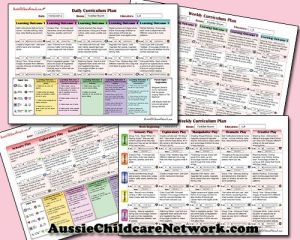 The Early Years Learning Framework describes the curriculum as “all the interactions, experiences, activities, routines and events, planned and unplanned, that occur in an environment… Read More

Confrontation refers to coming “face to face” with another person and to bring up something...
See more...
Wellbeing isn’t a theme day — it’s built into educator job design and everyday practice.
See more...
Sensory play is a cornerstone of early childhood education, offering children opportunities to explore textures...
See more...