



Reflective practice is essential for continuous growth in early childhood education. As a leader, fostering a culture of self-reflection helps educators refine their teaching methods, identify strengths, and enhance their impact on children’s learning experiences. Here's how to lead reflective practices effectively and an example of reflective practice in action.

Engaging families in early learning is crucial for fostering a collaborative environment that supports children's development. Here are some practical strategies on how to get families involved in their child's learning.

Building positive relationships with families is essential, and simple, thoughtful greetings go a long way in creating a welcoming environment. The following article provides tips for educators on how they can approach drop-offs and pick-ups effectively.

Providing constructive feedback is an essential skill for fostering growth, trust, and improvement. Here’s a structured guide to help you deliver feedback effectively.

The following article provides a list of Professional Development Goals that can be implemented to develop team collaboration and cohesiveness, effective conflict resolution, Success Measures, Workshop Topic Ideas and more.

Practical strategies to embed NSW Child Safe Standards in childcare, ensuring safety, inclusion, and strong family partnerships.

Fostering independence in children is one of the greatest gifts we can give them. A small but impactful step in this journey is encouraging children to walk into the center on their own each day. This simple practice not only builds confidence but also helps children view themselves as capable and competent. The following article provides information on Why Walking Matters, Strategies To Encourage Children To Walk Into The Service On Their Own, Practically Implementing The Strategies, Encouraging Parents To Support Their Child To Walk Into The Service Independently, and more.

There are a significant number of educators undertaking study to gain formal qualifications. There is also a need for educators in the early childhood workforce, who are undertaking study, to feel supported to strive to achieve their career goals and remain in the workforce. Leading Learning Circles for Educators Engaged in Study is designed to assist pedagogical leaders in supporting educators in their service who are undertaking study. The following article provides information on What Is Leading Learning Circles for Educators Engaged in Study, How Does This Helps Educators Who Are Studying, How To Get Started, Roadmap To Get Started, Reflective Questions, Examples Of Connecting Theory To Practice and Leading Learning Circles for Educators Engaged in Study Resource.

Loose parts materials inspire babies, toddlers, and preschoolers to explore, build, and create, boosting motor skills, imagination, and social play.

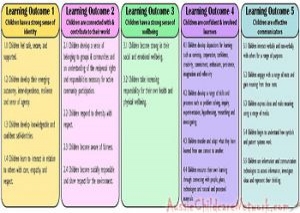 Here is the list of the EYLF Learning Outcomes that you can use as a guide or reference for your documentation and planning. The EYLF… Read More
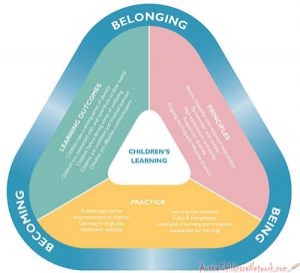 The EYLF is a guide which consists of Principles, Practices and 5 main Learning Outcomes along with each of their sub outcomes, based on identity,… Read More
 This is a guide on How to Write a Learning Story. It provides information on What Is A Learning Story, Writing A Learning Story, Sample… Read More
 One of the most important types of documentation methods that educators needs to be familiar with are “observations”. Observations are crucial for all early childhood… Read More
 To support children achieve learning outcomes from the EYLF Framework, the following list gives educators examples of how to promote children's learning in each individual… Read More
 Reflective practice is learning from everyday situations and issues and concerns that arise which form part of our daily routine while working in an early… Read More
 When observing children, it's important that we use a range of different observation methods from running records, learning stories to photographs and work samples. Using… Read More
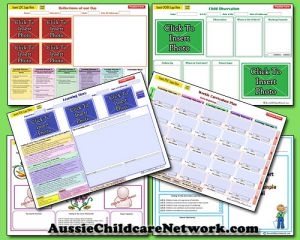 Within Australia, Programming and Planning is reflected and supported by the Early Years Learning Framework. Educators within early childhood settings, use the EYLF to guide… Read More
 This is a guide for educators on what to observe under each sub learning outcome from the EYLF Framework, when a child is engaged in… Read More
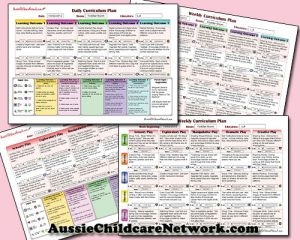 The Early Years Learning Framework describes the curriculum as “all the interactions, experiences, activities, routines and events, planned and unplanned, that occur in an environment… Read More

National Child Protection Week (6–12 September 2026) encourages educators, families, and communities to transform awareness...
See more...
This past week has challenged our sector—and stretched our hearts. But in the wake of...
See more...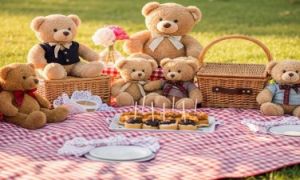
Capture joyful moments with creative photo ideas for Teddy Bear Picnic afternoon tea.
See more...