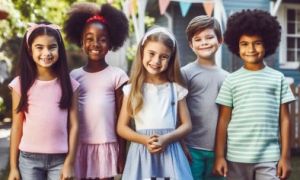
Australia Day, observed on 26 January, is a day of celebration for some but a day of mourning for many First Nations peoples. As educators, we hold the responsibility to model respect, inclusion, and truth-telling. Reframing the day as Our Land and Community Day allows us to celebrate what is beautiful about Australia—its land, animals, foods, and cultural diversity—while acknowledging the pain this date represents.
This approach is not about division. It is about honesty, empathy, and creating a safe, inclusive space for children and families.
Guiding Principles
-
Respect First Nations perspectives: Acknowledge that 26 January is a difficult day for many Aboriginal and Torres Strait Islander peoples.
-
Celebrate inclusively: Focus on the richness of our land, communities, and cultures.
-
Teach with honesty: Share age-appropriate truths with children, fostering empathy and respect.
-
Model balance: Show that joy and truth can coexist in education.
Practical Approaches for Educators
1. Rename the Celebration
-
Use “Our Land and Community Day” in your program and communications.
-
Frame the day around themes of nature, animals, food, and diversity.
2. Begin with Acknowledgement
-
Start with an Acknowledgement of Country led by educators or children.
-
Share stories, songs, or Dreamtime tales (with permission and authenticity).
-
Display maps of First Nations language groups to highlight cultural richness.
3. Explore Through Play and Age-Specific Activities
Babies (0–2 years)
-
Animals: Soft toy kangaroos, koalas, elephants, pandas, and llamas to represent both native and global animals.
-
Foods: Sensory play with safe items like rice, lentils, pasta, or mashed pumpkin. Use multicultural food jars (e.g., hummus, dhal, guacamole) for tasting experiences.
-
Cultural Diversity: Play lullabies from different cultures (Aboriginal songs, Indian ragas, African drumming, Celtic harp). Use board books with diverse faces and families.
Toddlers (2–3 years)
-
Animals: Matching games with animal cards (platypus, emu, turtle, lion, camel, penguin). Include both Australian and global animals.
-
Foods: Simple cooking experiences like making damper, rolling chapati, or tasting tropical fruits (mango, papaya, lychee).
-
Cultural Diversity: Dress-up corner with multicultural hats/scarves. Use dolls with diverse skin tones. Introduce greetings in different languages (e.g., “Kia ora,” “Namaste,” “Hola”).
Preschoolers (3–5 years)
-
Animals: Create multicultural animal habitats (Australian bush, African savannah, Arctic ice). Use storytelling to connect animals to cultural traditions (e.g., Dreamtime stories about kangaroos, Chinese zodiac animals).
-
Foods: Cooking projects—mini pizzas (Italian), sushi rolls (Japanese), fruit salad with tropical and native fruits. Discuss where foods come from and how families celebrate with them.
-
Cultural Diversity:
-
Art: Aboriginal dot painting, Indian rangoli with coloured rice, African kente cloth patterns.
-
Music/Dance: Learn simple multicultural dances (Greek circle dance, Torres Strait Islander songs, Polynesian hand actions).
-
Storytelling: Read picture books from diverse authors (e.g., Gregg Dreise, Mem Fox, Armin Greder).
-
Role Play: Set up “market stalls” with multicultural foods and items for pretend play.
-
Celebrate Diversity Across All Ages
-
Animals: Celebrate both native Australian animals and global species, linking them to cultural stories.
-
Foods: Highlight diversity by exploring native bush foods alongside multicultural dishes.
-
Cultural Diversity: Use songs, greetings, clothing, and stories to show children that communities around the world are unique but connected.
Example Multicultural Celebration Flow
-
Morning Circle: Acknowledgement of Country + multicultural greetings.
-
Activity Stations:
-
Babies: sensory play with multicultural food textures.
-
Toddlers: animal matching cards + fruit tasting.
-
Preschoolers: multicultural art projects (dot painting, rangoli).
-
-
Shared Meal: Damper, tropical fruit salad, sushi rolls, chapati.
-
Music & Dance: Aboriginal clapsticks, African drumming, Polynesian hand dance.
-
Reflection: “What animals, foods, and songs did we enjoy today? How are they special to different people?”
Addressing Retaliation and Insensitivity
It is important to acknowledge that some individuals may strongly feel that Australia Day should remain on 26 January and resist any efforts to reframe or rename the day. They may express this by insisting the date is fixed and dismissing the concerns of Aboriginal and Torres Strait Islander peoples. While these views can be hurtful and dismissive, it is crucial to respond with patience and education rather than confrontation. The call to reframe the day is not about erasing history or disrespecting national pride; it is about recognizing the lived experiences and pain of First Nations peoples. By fostering empathy and understanding, we create a more inclusive community where all voices are valued. Educators play a vital role in modeling this respect and encouraging thoughtful dialogue, even when faced with opposition.
Reframing Australia Day as Our Land and Community Day empowers educators to celebrate inclusively. It acknowledges the truth of 26 January while highlighting the beauty of our land, animals, and communities. This balance of honesty and joy is not divisive—it is respectful, inclusive, and exactly what education should be about.
Further Reading
Celebrating Australia Day Respectfully In Early Childhood Services
Australia Day Activities For Children
A Push To Ban Australia Day Celebrations In Childcare
Australia Day Activities and Portfolio Templates

 The Children’s Services Award introduces a streamlined classification system and updated pay rates designed to better recognise the skills, qualifications, and responsibilities of early childhood
 The Children’s Services Award has 8 clear levels. These levels make it easier to understand where you fit, based on your experience, qualifications, and responsibilities.
 When working as a qualified early childhood teacher (with a university degree) within a service, your rate of pay will come from the Educational Services
 Diploma-qualified educators play a vital role in early childhood services, taking on responsibilities that range from supporting children’s learning and development to leading rooms and
 Certificate III qualified educators form the backbone of early childhood services, providing essential care and learning support for children across all settings. Their wages under
 Early Childhood Teachers (ECTs) play a vital role in leading curriculum and pedagogy in early learning settings. Regulation 272 of the Education and Care Services
 Discover how school readiness programs support children’s independence, confidence, and skills for a successful transition into primary school.
 When an Educator is not performing their tasks or responsibilities at best practice, these issues need to be addressed for the Educator to understand where
 Educators can maximise tax deductions by claiming classroom supplies, training, union fees, and home office costs this financial year.
 A staff appraisal is a formal, systematic process of determining and reviewing the performance of early childhood educators over a period of time, usually a