



Experiencing a panic attack at work can be overwhelming, but there are steps you can take to manage it effectively. The following article provides information on How To Manage A Panic Attack At Work.

Workplace bullying is a serious issue that can have significant impacts on an individual's mental health, job satisfaction, and overall well-being. The following article provides information on How To Handle A Workplace Bully, What To Do If Someone Is Ignoring You At Work, What To Do If Someone Is Being Disrespecting You At Work, What To Do If Someone Is Gossiping About You At Work, What To Do If Someone Is Yelling At You At Work and more.

Working in a team to offer children with high quality early childhood education development, learning, and care is a requirement for a Cert 3 Qualified Educator. The following article lists some Common Interview Questions and Tips On How To Answer Them, How To Answer Interview Questions On The NQS And EYLF, How To Answer Interview Question About Your Weaknesses And Strengths, What To Say When You Don't Know The Answer, After An Interview What Is The Best Way To Respond and more.

Educational leaders play a crucial role in their early childhood service by ensuring that the educational program aligns with best practices and supports the holistic development of children. As per the Children's Services Award, educational leaders are given a yearly allowance based on how many days they are an educational leader for and non-contact time.

Inquiry-based learning in early childhood is a powerful approach that nurtures children's natural curiosity and encourages them to explore, ask questions, and discover answers through hands-on experiences. The following article provides information on the Benefits Of Implementing Inquiry Based Learning, Steps to Implement Inquiry-Based Learning, Guide Children In Inquiry Based Learning and more.

Encouraging children to follow instructions can be a rewarding process when approached with patience and positivity. The following article provides information on Strategies To Encourage Children To Follow Instructions, What To Do When A Child Doesn't Follow Instructions, Activity Ideas To Encourage Children To Follow Instructions and more.

Multimodal representations in early childhood education involve using multiple modes of communication, such as writing, sound, and images, to represent and convey information. The following article provides information on How To Get Started, Multimodal Learning, Benefits Of Multimodal Learning, Examples and Activities, and more.

When working in an early childhood setting, one of the age groups that you will come across is 0–12 months, the nursery room. Looking after these youngesters takes a special skill set of patience and calmness. The following article provides information Minimum Requirements For Working In The Nursery, Ratios and Supervision In The Nursery Room, The Routine Of Working In The Nursery, Programming and Planning In The Nursery Room and more.

Workers' compensation in early childhood settings in Australia is crucial for ensuring the safety and well-being of educators and staff. The following article provides information on What Is Workers Compensation, What Qualifies As Workers Compensation, How Does Workers Compensation Help and more.

Pre-writing skills are crucial for young children as they lay the foundation for future writing success. The following article provides information on What Are Pre-writing Skills, Importance Of Pre-Writing Skill Activities To Promote Pre-Writing Skills and more.
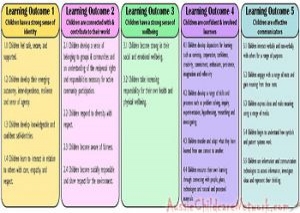 Here is the list of the EYLF Learning Outcomes that you can use as a guide or reference for your documentation and planning. The EYLF… Read More
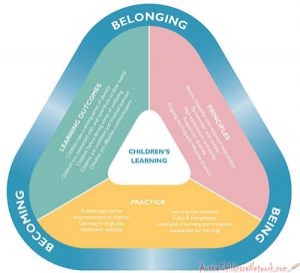 The EYLF is a guide which consists of Principles, Practices and 5 main Learning Outcomes along with each of their sub outcomes, based on identity,… Read More
 This is a guide on How to Write a Learning Story. It provides information on What Is A Learning Story, Writing A Learning Story, Sample… Read More
 One of the most important types of documentation methods that educators needs to be familiar with are “observations”. Observations are crucial for all early childhood… Read More
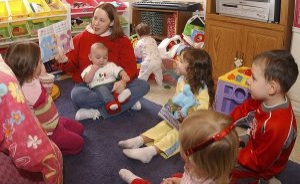 To support children achieve learning outcomes from the EYLF Framework, the following list gives educators examples of how to promote children's learning in each individual… Read More
 Reflective practice is learning from everyday situations and issues and concerns that arise which form part of our daily routine while working in an early… Read More
 When observing children, it's important that we use a range of different observation methods from running records, learning stories to photographs and work samples. Using… Read More
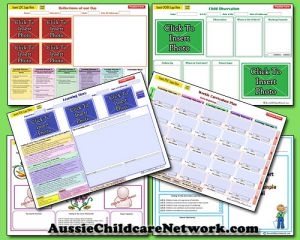 Within Australia, Programming and Planning is reflected and supported by the Early Years Learning Framework. Educators within early childhood settings, use the EYLF to guide… Read More
 This is a guide for educators on what to observe under each sub learning outcome from the EYLF Framework, when a child is engaged in… Read More
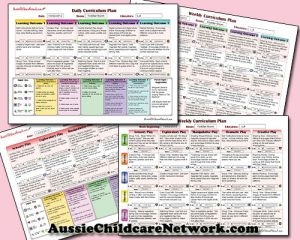 The Early Years Learning Framework describes the curriculum as “all the interactions, experiences, activities, routines and events, planned and unplanned, that occur in an environment… Read More

Writing a learning story is a wonderful way to document and celebrate children’s development and...
See more...
Quality Area 5 of the National Quality Standard focuses on Relationships with Children, ensuring that...
See more...
Here are 20 engaging activities designed to boost problem-solving skills in preschoolers. Each activity offers...
See more...