


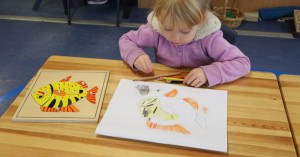
The capacity to work on a task with sustained attention is an extremely important developmental milestone for children. It not only helps them to learn better in school but is directly related to positive life outcomes in adulthood through higher self-esteem and self-efficacy. The following article provides strategies for improving concentration in children.

Age-appropriate cooking is one of the most effective ways to instil healthy eating in children. They will be more open to eating nutritious foods and practise positive mealtime habits if they are involved in the making of such foods themselves. The following article provides strategies for engaging children in cooking in the early childcare setting.
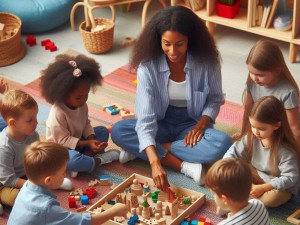
Kinaesthetic learners, also known as tactile learners, thrive on physical movement and hands-on experiences. They learn best through activities that involve touch, movement, and manipulation of objects. The following information provides information on How To Identify Kinaesthetic Learners, Characteristics of Kinaesthetic Learners, Strategies to Support Kinaesthetic Learners and more.

Involving children in documentation in early childhood education can be a powerful way to engage them in their own learning process. The following article provides information on Strategies Involving Children In Documentation and Multimodal Representations.

Improving parental engagement in early childhood education is crucial for enhancing children's learning and development.
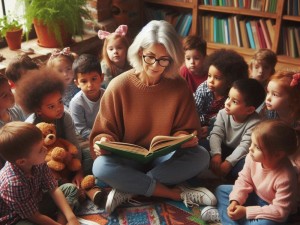
Storytelling is a powerful tool in early childhood education, offering numerous benefits for children's development. The following article provides information on the Benefits Of Storytelling, Best Ways To Read To Children, Best Books For Babies, Toddlers, Preschoolers and more.
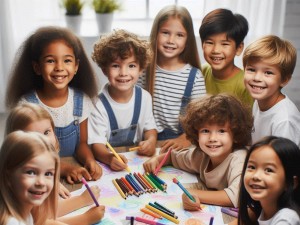
Drawing is a vital activity for children's development. It helps build the foundation for writing by improving fine motor skills and hand-eye coordination and enhances planning, memory, attention span, visual perception, problem-solving, and attention to detail. The following article provides information on the Benefits Of Drawing, Why Children Draw, Encouraging Children To Draw, Linking To The EYLF and more.
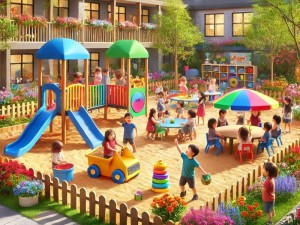
Designing engaging outdoor learning spaces offers stimulating resources and rich play-based learning opportunities that cater to all children’s interests, capabilities, cultures, and communities. The following article provides information on Physical Features Of Outdoor Spaces, Characteristics Of Outdoor Learning Spaces, Consideration For The Design Of Outdoor Spaces, Roles Of Adults In The Outdoor Learning Spaces and more.
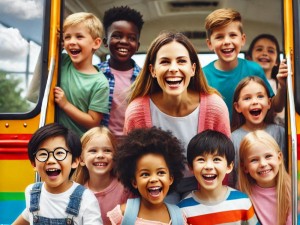
Excursions and regular outings are valuable components of early childhood education, offering children opportunities to explore the wider community and enhance their learning experiences. The following article provides information on the Differences Between Excursions and Regular Outings, Benefits Of Excursions and Regular Outings, Planning Excursions, National Regulations On Excursions and Regular Outings and more.
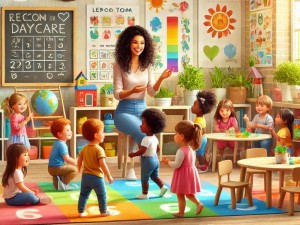
Environmental print refers to the print that children see in their everyday environment, such as signs, logos, labels, and symbols. The following article provides information on Benefits Of Environmental Print, Incorporating Environmental Print in Early Childhood Settings, Examples Of Environmental Print, Activities Related To Environmental Print, Linking To The EYLF and more.
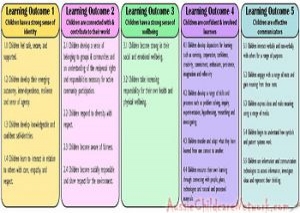 Here is the list of the EYLF Learning Outcomes that you can use as a guide or reference for your documentation and planning. The EYLF… Read More
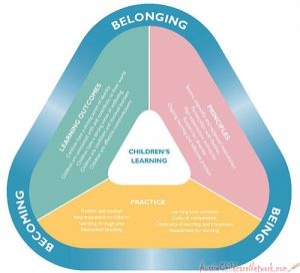 The EYLF is a guide which consists of Principles, Practices and 5 main Learning Outcomes along with each of their sub outcomes, based on identity,… Read More
 This is a guide on How to Write a Learning Story. It provides information on What Is A Learning Story, Writing A Learning Story, Sample… Read More
 One of the most important types of documentation methods that educators needs to be familiar with are “observations”. Observations are crucial for all early childhood… Read More
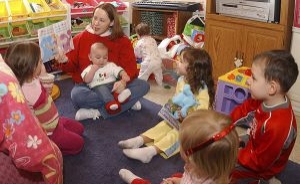 To support children achieve learning outcomes from the EYLF Framework, the following list gives educators examples of how to promote children's learning in each individual… Read More
 Reflective practice is learning from everyday situations and issues and concerns that arise which form part of our daily routine while working in an early… Read More
 When observing children, it's important that we use a range of different observation methods from running records, learning stories to photographs and work samples. Using… Read More
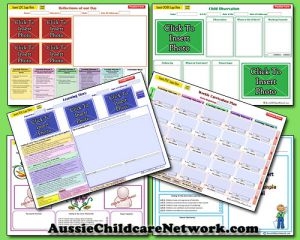 Within Australia, Programming and Planning is reflected and supported by the Early Years Learning Framework. Educators within early childhood settings, use the EYLF to guide… Read More
 This is a guide for educators on what to observe under each sub learning outcome from the EYLF Framework, when a child is engaged in… Read More
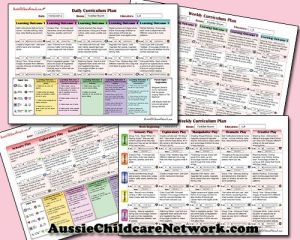 The Early Years Learning Framework describes the curriculum as “all the interactions, experiences, activities, routines and events, planned and unplanned, that occur in an environment… Read More

By creating an inclusive and supportive environment for children, families and educators by recognising and...
See more...
Writing a group learning story is a fantastic way to document the collective learning experience...
See more...
Explore weapon play in early childhood services, balancing safety, imagination, consent, and guidance to support...
See more...