




Services must show compliance and quality every day, not just during assessments.


Protected disclosures in NSW childcare safeguard educators, uphold integrity, and strengthen trust in early education services.

For some long-serving staff, the new Award minimum after the 1 July 2026 increase is still lower than the Award minimum, they were entitled to on 28 February 2026. To stop these staff from taking a pay cut, FWC introduced “Retained Minimum Rates.”


For educators on the WRG, the 15% is locked to the 1 Dec 2025 rate. You’re still getting 15% above what the award was in Dec 2025, inclusive of the 4.75% Annual Wage Review. But you don’t get 15% on top of the new award rates as of 1st July 2026. Fair Work is now lifting the minimum pay rate in the Awards to catch up.

Programming time is a cornerstone of quality practice in early childhood education. The Children’s Services Award guarantees educators and teachers responsible for planning and documenting learning experiences a minimum of two hours of non-contact time each week. This entitlement recognises that programming is not an “extra” task but a professional responsibility essential for compliance, reflection, and supporting children’s development.
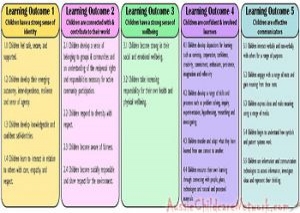 Here is the list of the EYLF Learning Outcomes that you can use as a guide or reference for your documentation and planning. The EYLF… Read More
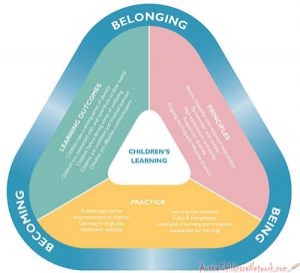 The EYLF is a guide which consists of Principles, Practices and 5 main Learning Outcomes along with each of their sub outcomes, based on identity,… Read More
 This is a guide on How to Write a Learning Story. It provides information on What Is A Learning Story, Writing A Learning Story, Sample… Read More
 One of the most important types of documentation methods that educators needs to be familiar with are “observations”. Observations are crucial for all early childhood… Read More
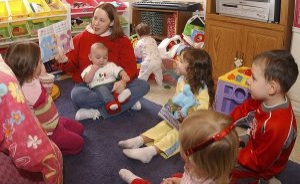 To support children achieve learning outcomes from the EYLF Framework, the following list gives educators examples of how to promote children's learning in each individual… Read More
 Reflective practice is learning from everyday situations and issues and concerns that arise which form part of our daily routine while working in an early… Read More
 When observing children, it's important that we use a range of different observation methods from running records, learning stories to photographs and work samples. Using… Read More
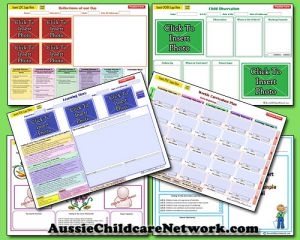 Within Australia, Programming and Planning is reflected and supported by the Early Years Learning Framework. Educators within early childhood settings, use the EYLF to guide… Read More
 This is a guide for educators on what to observe under each sub learning outcome from the EYLF Framework, when a child is engaged in… Read More
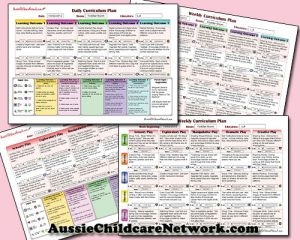 The Early Years Learning Framework describes the curriculum as “all the interactions, experiences, activities, routines and events, planned and unplanned, that occur in an environment… Read More
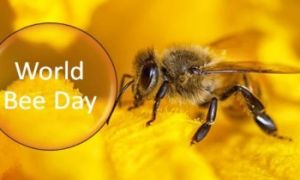
The 20th of May is World Bee Day. It is to draw attention to the...
See more...
In early childhood education, timing shapes interpretation. A message that would normally pass quietly through...
See more...
Stepping into the role of director brings many responsibilities, and one of the most important...
See more...