


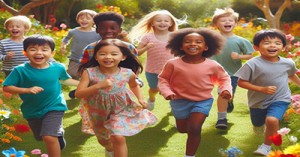
The Australian 24-Hour Movement Guidelines for the Early Years provide comprehensive recommendations for physical activity, sedentary behavior, and sleep for children from birth to 5 years. The following article provides information About The Australian 24-Hour Movement Guidelines for the Early Years, Key Recommendations, and more.
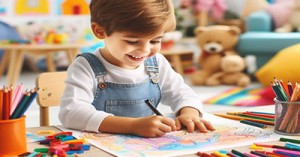
Children's drawing isn't just a pastime—it plays a crucial role in their development and learning. The following article provides information on Why Drawing Is Essential For Children, Activities That Can Promote Drawing Skills In Children, Age-appropriate Drawing Activities For Toddlers, How Drawing Helps Children Express Their Emotions, Activities That Can Help Children Express Emotions Through Drawing and more.

Incorporating cultural texts into nursery rhymes is a fantastic way to celebrate diversity and introduce children to different cultures. The following article provides information on The Importance To Incorporate Cultural Text Into Nursery Rhymes, Steps To Incorporate Cultural Texts, Example Adaptions, and more.

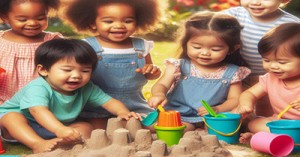
The value of play in early childhood cannot be overstated, as it is essential for a child's overall development and well-being. The following article provides information on Why Play Is So Valuable, What Is Play?, Why Is Play Important For Children's Development, Educator's Role In Play, Styles Of Play, What Happens When Children Don't Play, How To Encourage Children To Play, Play Theories, Linking Play To The EYLF and more.
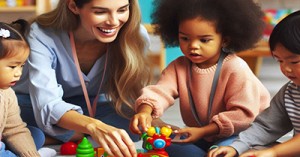

Engaging parents in early childhood activities is a wonderful way to build a strong community and support children's development. The following article provides a list of Activity Ideas For Parents in early childhood settings.

Starting a new job, especially in early childhood education, can be both exciting and anxiety-inducing. The following article provides information on Strategies To Manage Anxiety, How To Get To Know Staff, How To Get To Know Children, How To Get To Know Families, How To Show Initiative, How To Show Initiative In Early Childhood Classroom and more.

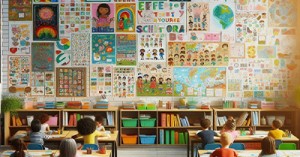
Setting up room displays can be quite exciting. The following article provides information on Non Negotiable Displays, Highly Recommended Displays, Optional Displays, Displays To Meets NQS In Australia, Displays To Meet National Regulations, Quality Ratings Display, Ideas For Creating A Children's Art Display, Examples Of Cultural Displays, Examples Of Aboriginal and Torres Strait Islander Displays, Themed Displays, Creating A Parent Displays and more.
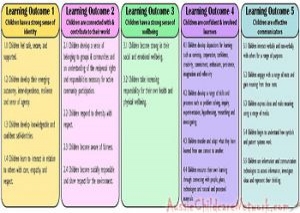 Here is the list of the EYLF Learning Outcomes that you can use as a guide or reference for your documentation and planning. The EYLF… Read More
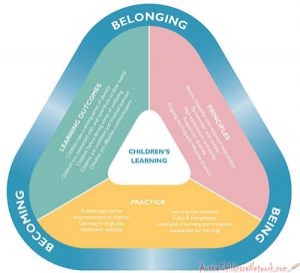 The EYLF is a guide which consists of Principles, Practices and 5 main Learning Outcomes along with each of their sub outcomes, based on identity,… Read More
 This is a guide on How to Write a Learning Story. It provides information on What Is A Learning Story, Writing A Learning Story, Sample… Read More
 One of the most important types of documentation methods that educators needs to be familiar with are “observations”. Observations are crucial for all early childhood… Read More
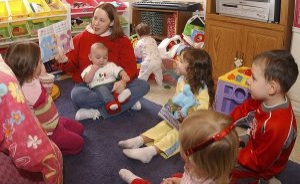 To support children achieve learning outcomes from the EYLF Framework, the following list gives educators examples of how to promote children's learning in each individual… Read More
 Reflective practice is learning from everyday situations and issues and concerns that arise which form part of our daily routine while working in an early… Read More
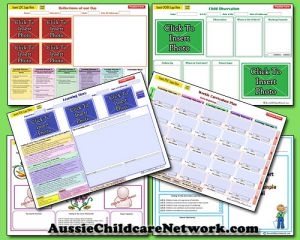 Within Australia, Programming and Planning is reflected and supported by the Early Years Learning Framework. Educators within early childhood settings, use the EYLF to guide… Read More
 When observing children, it's important that we use a range of different observation methods from running records, learning stories to photographs and work samples. Using… Read More
 This is a guide for educators on what to observe under each sub learning outcome from the EYLF Framework, when a child is engaged in… Read More
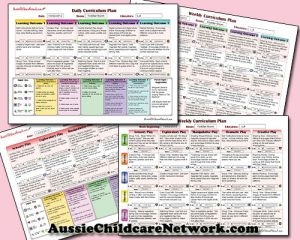 The Early Years Learning Framework describes the curriculum as “all the interactions, experiences, activities, routines and events, planned and unplanned, that occur in an environment… Read More
Incorporating follow-ups into the EYLF program means creating an ongoing, responsive cycle that both monitors...
See more...
As the winter approaches, while working in a service, Educators and children will be prone...
See more...
A child-centred approach in an ECEC context involves giving children choices of learning activities, with...
See more...