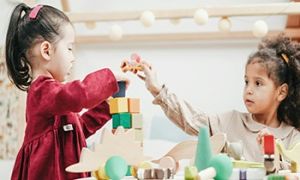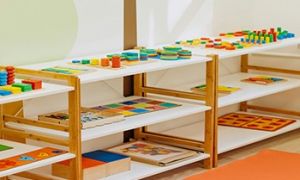
Yes, observations are required in OOSH, but they look different from early childhood settings. Educators must document children’s engagement, wellbeing, and learning through observations, though the focus is on leisure, social development, and safety rather than formal developmental milestones.
Why Observations Are Needed in OOSH
- Regulatory Compliance: Under the National Quality Framework (NQF), OOSH services must demonstrate that programs are planned, documented, and evaluated to support children’s wellbeing and development.
- Quality Standards: Observations help meet Quality Area 1 (Educational Program and Practice) and Quality Area 5 (Relationships with Children).
- Safety & Behaviour Management: Observations provide evidence for managing behaviour, identifying risks, and tailoring strategies.
- Family Communication: They allow educators to share meaningful insights with families about children’s experiences outside school hours.
What Observations Look Like in OOSH
OOSH documentation is lighter and more flexible:
- Snapshots of Play & Social Interaction: Short notes or photos showing how children engage in group games, creative activities, or routines.
- Behaviour Records: Tracking patterns of respect, conflict, or cooperation to inform behaviour management policies.
- Wellbeing Indicators: Observations of tiredness, hunger, or emotional states after school to adjust care routines.
- Child Voice: Including children’s own reflections or feedback about activities.
Key Differences: OOSH vs. Early Childhood Observations
| Aspect | Early Childhood | OOSH |
|---|---|---|
| Focus | Developmental milestones, learning outcomes | Leisure, well-being, social skills |
| Frequency | Regular, detailed observations | Flexible, context-based snapshots |
| Documentation | Learning stories, portfolios | Program reflections, behaviour notes |
| Purpose | Track developmental progress | Ensure safe, engaging, responsive care |
Risks of Not Doing Observations
- Compliance Breach: Services risk failing assessment against NQF standards.
- Weak Behaviour Management: Without documented evidence, it’s harder to address recurring issues.
- Poor Family Engagement: Families may feel disconnected if they don’t see how their child is supported.
- Reduced Program Quality: Lack of reflection can lead to repetitive or uninspired activities.
Practical Tips for OOSH Educators
- Use short, practical formats (bullet notes, quick photos, group reflections).
- Focus on patterns of behaviour and engagement, not developmental checklists.
- Involve children in documenting their own experiences (journals, feedback boards).
- Link observations directly to program planning and behaviour strategies.
Legal Requirements Of Observations In Different States
Yes—all OOSH services must legally document observations, but the exact requirements vary slightly by state.
The National Quality Framework (NQF) sets the baseline, and states like NSW, Victoria, South Australia, Queensland, and WA apply it with minor differences. Observations are not optional; they are required to show that programs are planned, evaluated, and responsive to children’s well-being and development.
National Requirement (Applies Everywhere)
-
Framework: My Time, Our Place is the approved learning framework for OOSH.
-
Law: Services must document how programs support leisure, play, relationships, and well-being.
-
Flexibility: The law does not prescribe how often or what format observations must take; services can use snapshots, journals, or group reflections.
State-by-State Legal Requirements
| State/Territory | Observation & Documentation Rules | Key Notes |
|---|---|---|
| NSW | Must comply with NQF and MTOP. Observations required to show planning and evaluation. | Strong emphasis on collaboration with schools and principals. |
| Victoria | OSHC services are approved under NQF and Child Safe Standards. Observations must demonstrate program quality and child safety. | Documentation must align with both NQF and state Child Safe Standards. |
| Queensland | Observations required under NQF. Authorised officers will sight documentation of child assessments/evaluations during compliance checks. | Compliance monitored by ACECQA and state regulators. |
| Western Australia | Same NQF rules apply. Observations must be documented to show program evaluation. | WA adopted changes in 2023 to streamline documentation. |
| South Australia | OSHC policy mandates compliance with NQF. Observations must be documented to evidence program planning and child wellbeing. | State policy explicitly requires documentation as part of operational compliance. |
| Tasmania & ACT | Follow NQF directly. Observations required but flexible in format. | ACT continues with full documentation requirements. |
Practical Guidance for OOSH Educators
-
Keep short, meaningful records (photos, notes, group reflections).
-
Focus on patterns of behaviour, wellbeing, and engagement rather than developmental milestones.
-
Use child voice (feedback boards, journals) as evidence.
-
Ensure documentation links back to MTOP outcomes and Quality Area 1 (Educational Program and Practice).
Further Reading
Documenting For OOSH Services
Documentation in OSHC: Finding Balance Between Compliance
Key Regulation Techniques for OSHC Children Photo Ideas
Quick Motivation Cheat Sheet for OSHC Educators
Meeting Law and NQS Requirements in OOSH Documentation: Practical Strategies for Educators


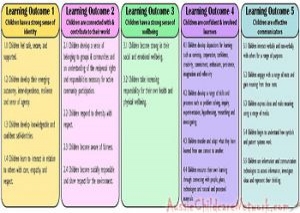 Here is the list of the EYLF Learning Outcomes that you can use as a guide or reference for your documentation and planning. The EYLF
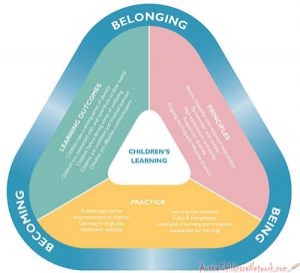 The EYLF is a guide which consists of Principles, Practices and 5 main Learning Outcomes along with each of their sub outcomes, based on identity,
 This is a guide on How to Write a Learning Story. It provides information on What Is A Learning Story, Writing A Learning Story, Sample
 One of the most important types of documentation methods that educators needs to be familiar with are “observations”. Observations are crucial for all early childhood
 To support children achieve learning outcomes from the EYLF Framework, the following list gives educators examples of how to promote children's learning in each individual
 Reflective practice is learning from everyday situations and issues and concerns that arise which form part of our daily routine while working in an early
 When observing children, it's important that we use a range of different observation methods from running records, learning stories to photographs and work samples. Using
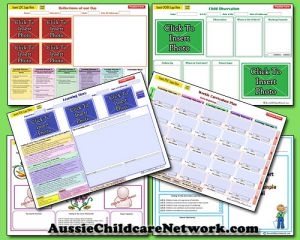 Within Australia, Programming and Planning is reflected and supported by the Early Years Learning Framework. Educators within early childhood settings, use the EYLF to guide
 This is a guide for educators on what to observe under each sub learning outcome from the EYLF Framework, when a child is engaged in
 The Early Years Learning Framework describes the curriculum as “all the interactions, experiences, activities, routines and events, planned and unplanned, that occur in an environment