Supporting children in OSHC with regulation techniques means creating safe, predictable environments and teaching strategies that help them manage emotions, behaviour, and social interactions. The most effective approaches combine self-regulation, co-regulation, and environmental adjustments tailored to children’s needs.
Key Regulation Techniques for OSHC Children
1. Self-Regulation Strategies
- Clear routines and expectations: Consistency helps children feel secure and reduces anxiety.
- Choice and autonomy: Allowing children to make small decisions (e.g., choosing an activity) builds confidence and control.
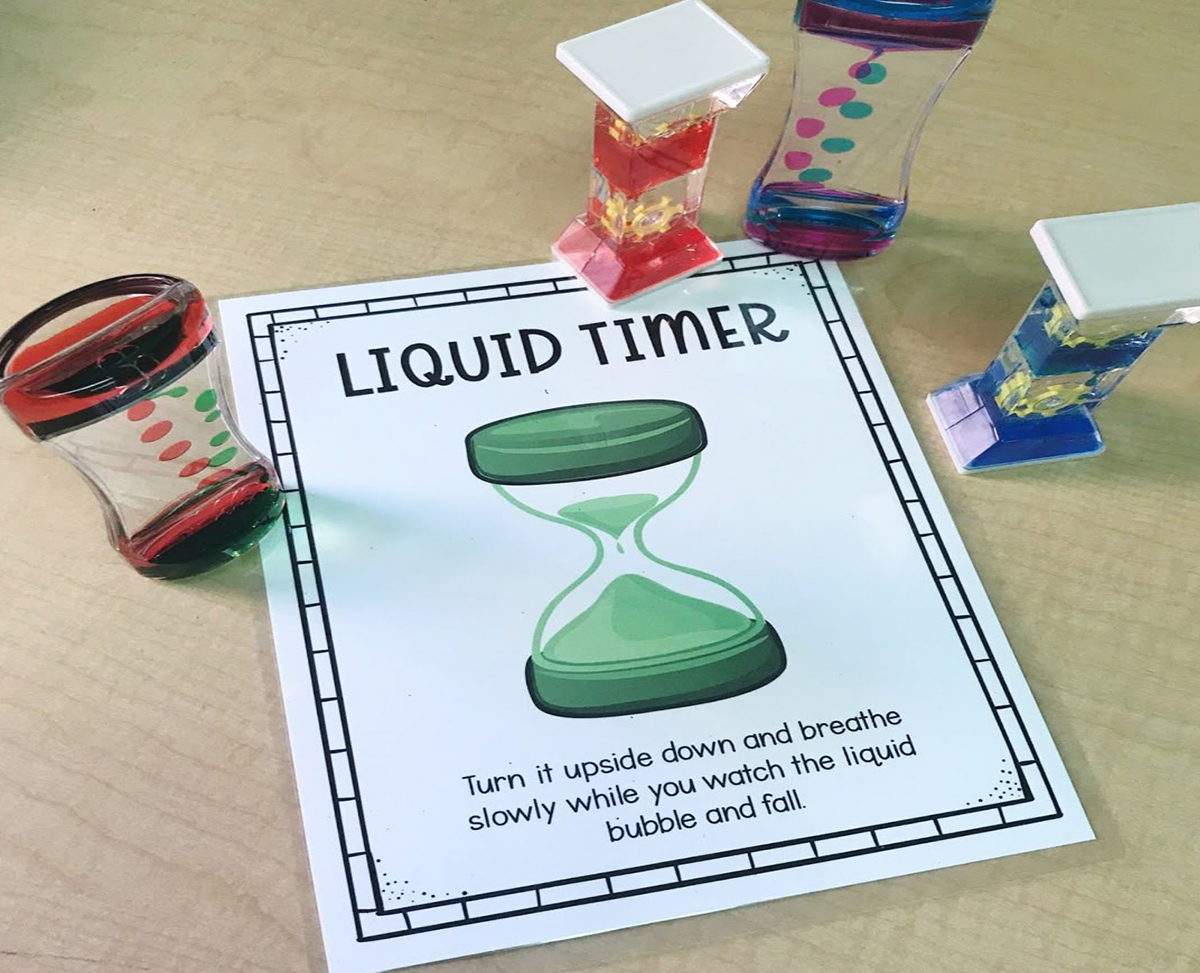
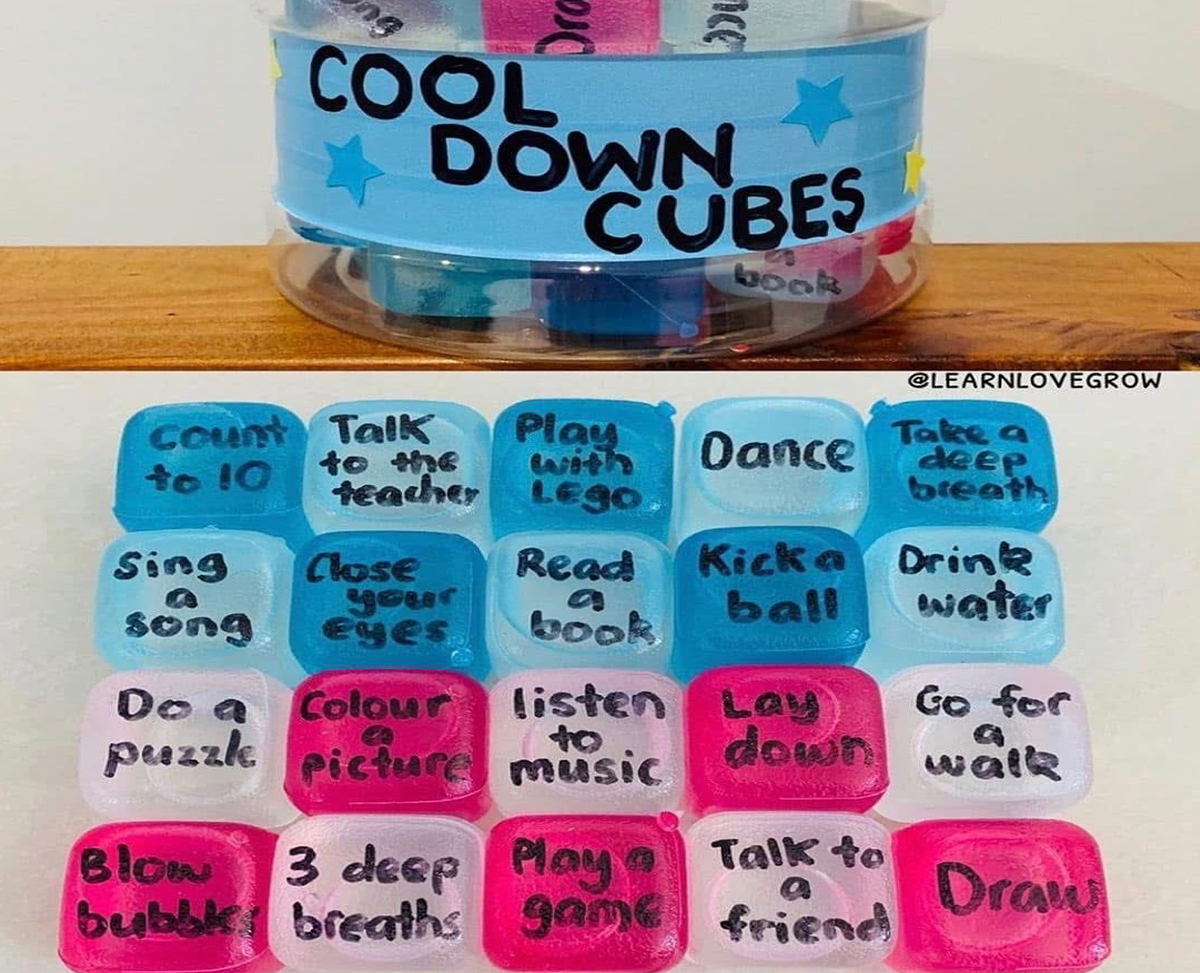
- Mindfulness and breathing exercises: Short guided breathing or relaxation activities can calm overstimulation.
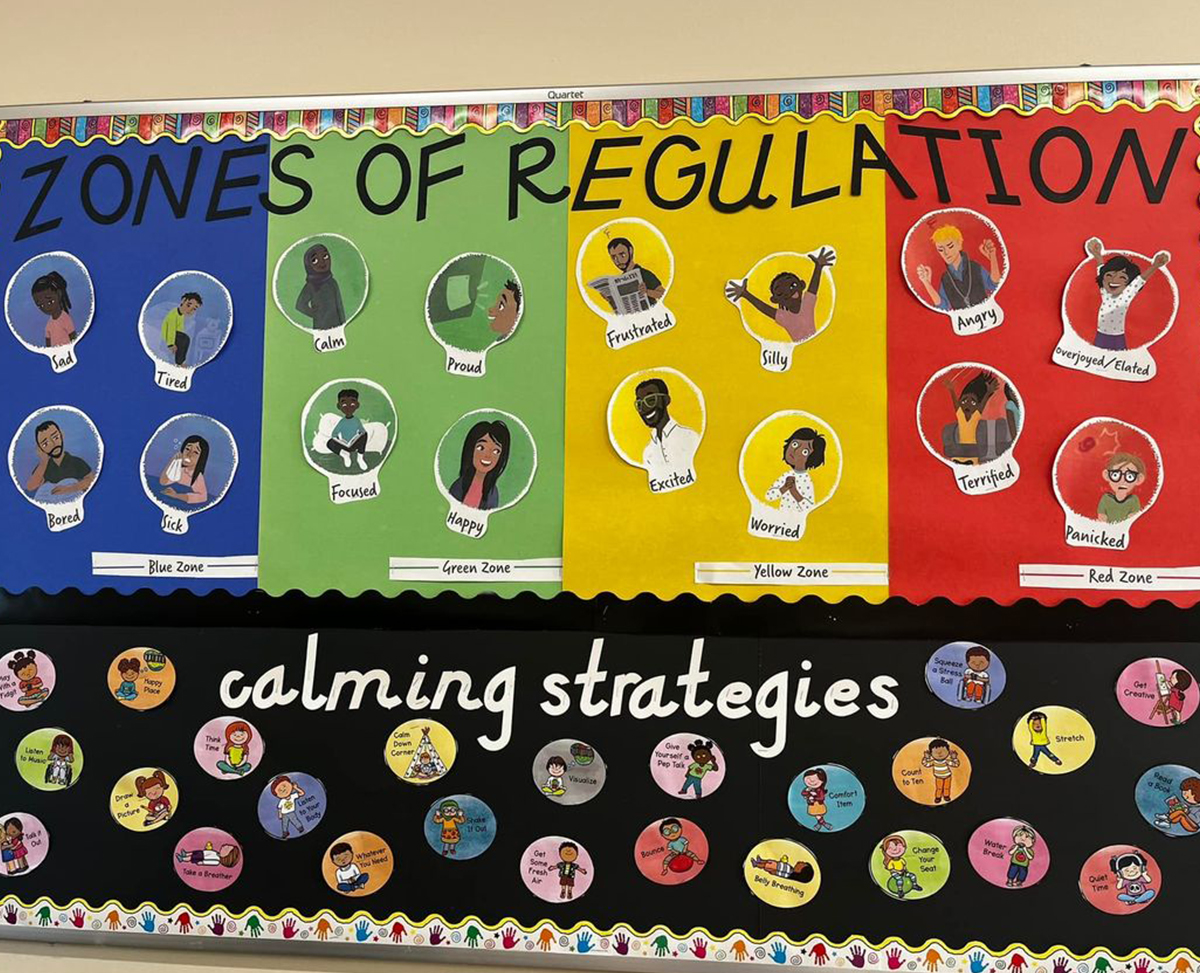
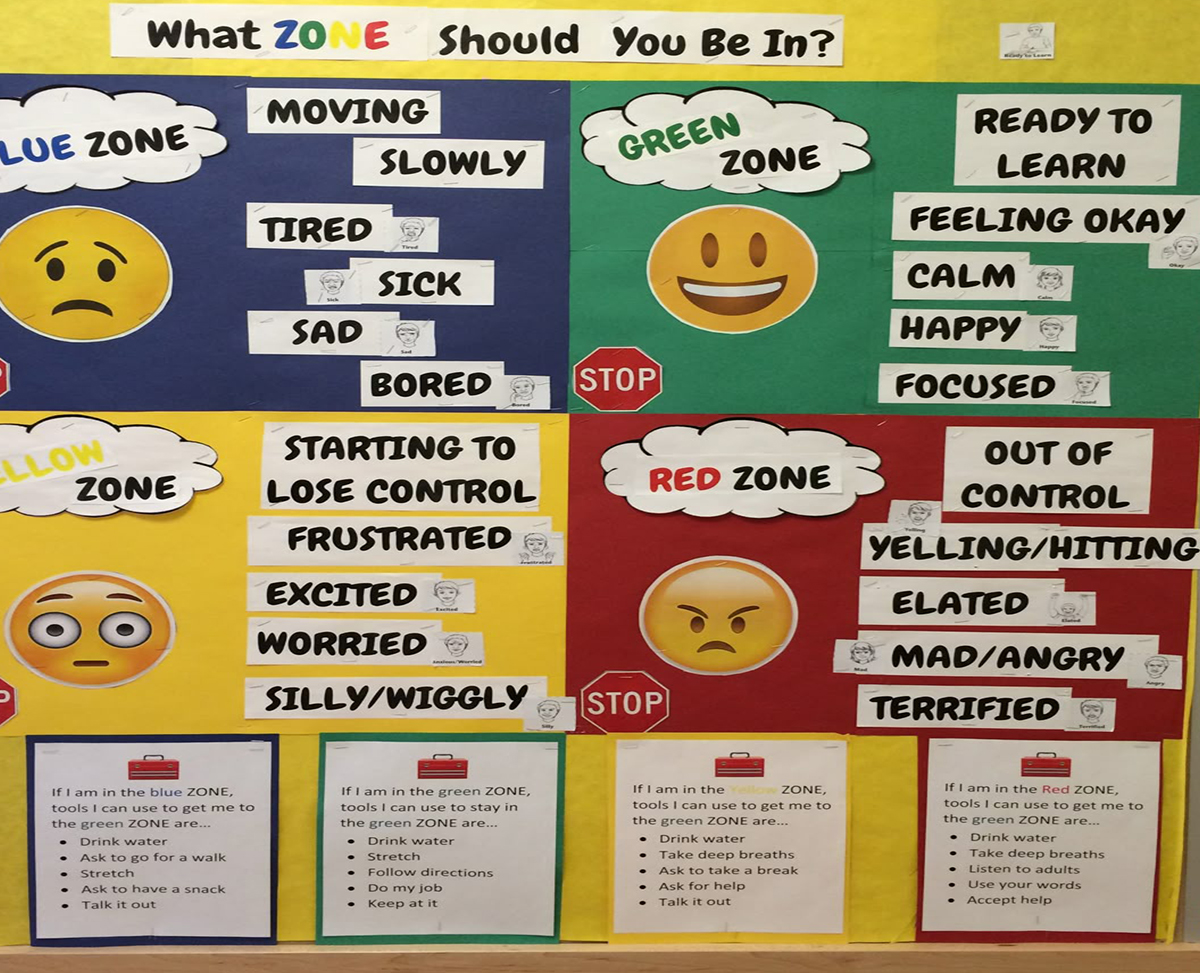
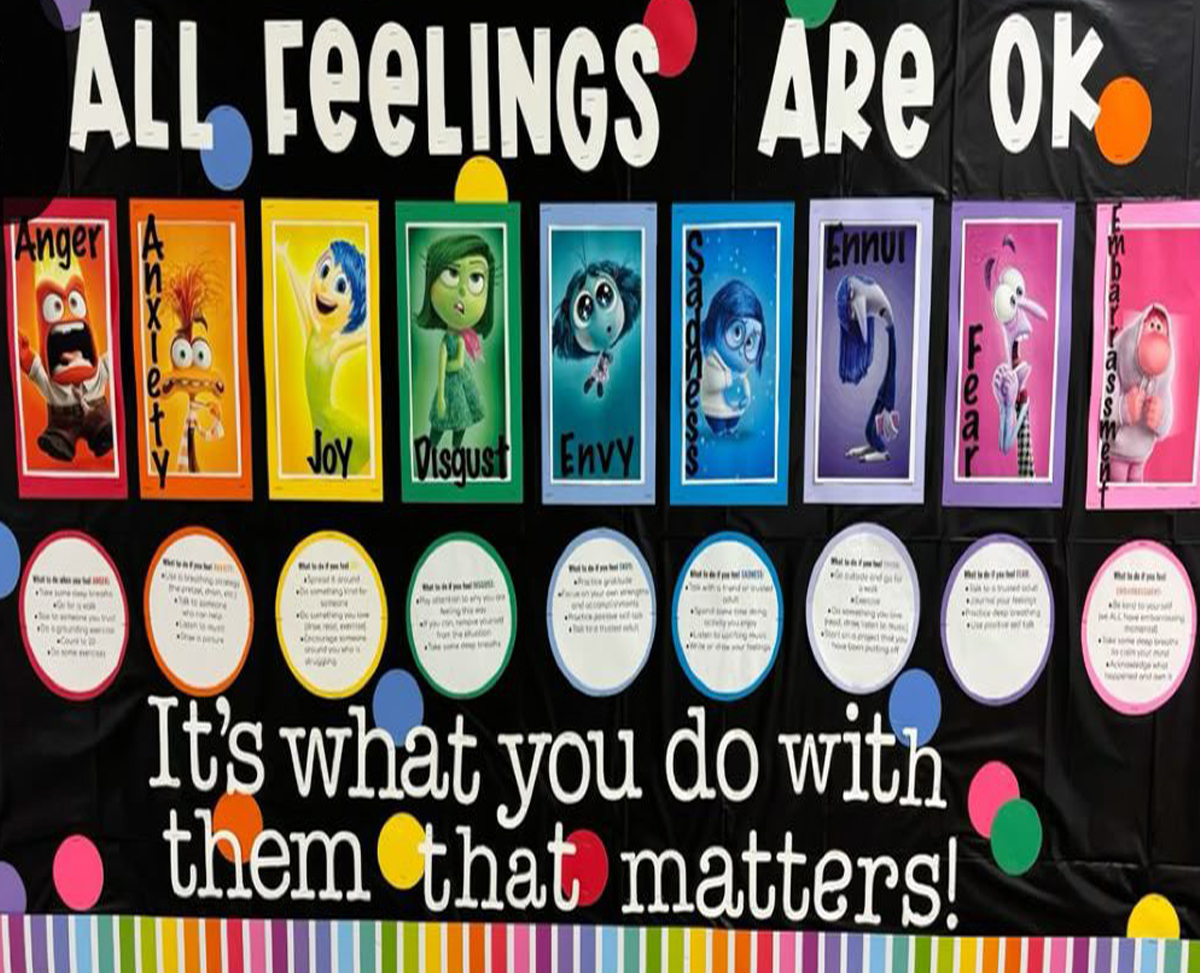
- Emotion labeling: Encourage children to name their feelings (“I feel frustrated”) to build emotional literacy.
- Problem-solving prompts: Teach children to pause, think, and choose positive responses when conflicts arise.
2. Co-Regulation Techniques
- Adult modeling calm behaviour: Educators staying calm during challenging moments helps children mirror regulation.
- Physical presence and reassurance: Sitting nearby, offering gentle words, or using a calm tone supports children in distress.
- Shared calming activities: Reading, drawing, or sensory play together can help children regulate through connection.
- Positive reinforcement: Acknowledge efforts (“I noticed you took a deep breath before speaking”) to strengthen skills.
3. Environmental Adjustments
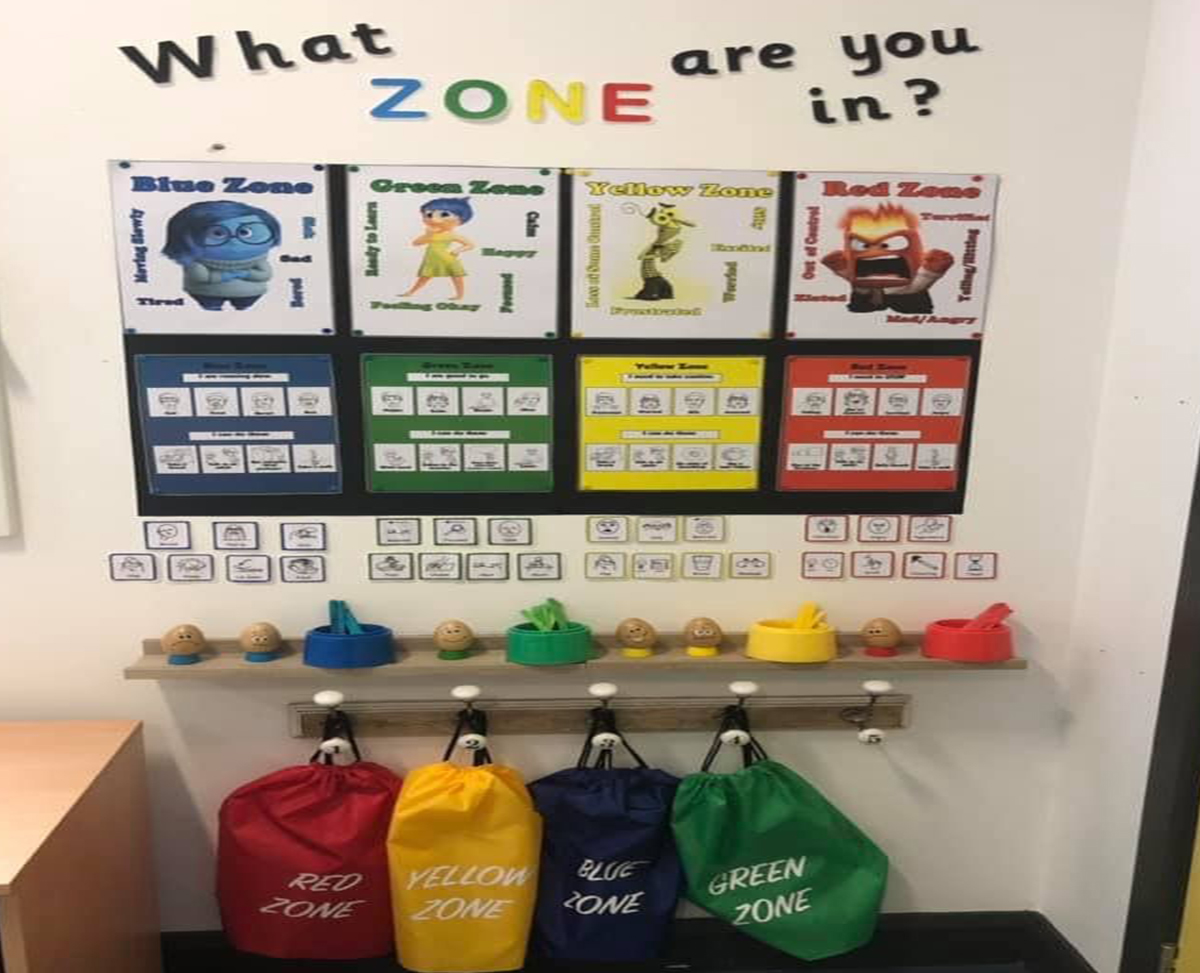
- Quiet zones or “chill corners”: Spaces with soft furnishings, calming visuals, or sensory tools allow children to reset.
- Predictable transitions: Use visual schedules, countdowns, or songs to signal changes in routine.
- Flexible programming: Adapt activities to children’s energy levels—quiet crafts after school, active play before pickup.
- Inclusive design: Adjust spaces for children with disabilities or sensory needs (e.g., reducing noise, providing fidget tools).
Comparison of Techniques
| Technique Type | Examples | Benefits |
|---|---|---|
| Self-Regulation | Breathing, emotion labeling, routines | Builds independence, emotional literacy |
| Co-Regulation | Adult modeling, shared calming activities | Strengthens relationships, emotional safety |
| Environmental | Quiet zones, visual schedules, flexible programming | Reduces stress, supports inclusion |
Photo Ideas



Challenges & Considerations
- Consistency across staff: Children thrive when all educators use the same strategies.
- Individual differences: Some children may need tailored approaches (e.g., sensory supports for autism).
- Balancing freedom and structure: Too much rigidity can frustrate children, while too little can cause chaos.
- Cultural sensitivity: Techniques should respect children’s backgrounds and family values.
Practical Tips for OSHC Educators
- Start each session with a calming ritual (story, breathing, or circle time).
- Use visual aids (emotion cards, traffic light systems) to help children identify feelings.
- Encourage peer support by teaching children to recognize when a friend needs space.
- Regularly reflect with staff on what strategies are working and adapt as needed.
Image References:
Image 1 - No Name, Pinterest
Image 2 - Michelle, Pinterest
Image 3 - No Name, Pinterest
Image 4 - Occupational Therapy Activities CreativeCOTA LLC, Pinterest
Image 5 - Carroll Ann Lewter, Pinterest
Image 6 - TheResponsiveCounselor, Pinterest
Image 7 - Shannon Edwards, Pinterest
Image 8 - Celeste Lopez, Pinterest
Image 9 - Nicole Haegele, Pinterest
Further Reading
Supporting Children's Self-Regulation
Self-Talk To Support Self-Regulation
The Zones Of Regulation
Strategies For Dealing With Physical Aggression In Children
Strategies to Promote Positive Behaviour In OOSH Services
Strategies To Help Angry Children Cool Down
Chill Zone Posters
How To Handle Big Feelings
Deep Breathing Poster
Easy Calming Area Setups: Photo Inspiration For Educators
Calming Cards




 Working as a childcare professional can be a challenge especially when dealing with behavioural problems which may arise. The techniques we use when dealing with
 There are different types of behaviour that children can display and sometimes it can be hard to manage, especially if a child is having behavioural
 As Educators, there will be many instances where you will need to write about a child's behaviour. For a behaviour management plan, assessments, half-yearly or
 As a parent, your behavioural expectations of your child can be higher than what is actually developmentally appropriate for your child's age.
 As Educators when communicating with Parents (through verbal or non-verbal communication), there will be times where we need to discuss issues or concerns that may
 Challenging Behaviour is when a child does something that hurts themselves and/or other people.
 It's always difficult to bring up behavioural issues with parents, it can be nerve wrecking to tell a parent that their child misbehaves but that
 As part of your child's development it is normal for your child to have anxiety and fears. A baby commonly shows a fearful sign to
 All children deal with anger on a daily basis. Thinking about it as a child, there is a lot to be angry about. Elder people
 It is important to understand that your child behaviour problems could not just be from attention seeking. There are many factors to take into consideration