When documenting children’s learning, educators often feel pressured to align every observation with codes, sub‑outcomes, or compliance language. Yet, meaningful documentation doesn’t need to be weighed down by technical jargon. Instead, it can highlight dispositions, behaviours, and processes that reveal how children are engaging with their world.
The following keywords provide a practical lens for educators: they are simple, observable, and flexible enough to be woven into analysis, reflections, and planning notes. By focusing on these words, educators can capture the richness of children’s identity, community, well-being, learning, and communication without losing sight of the bigger picture. They act as anchors for professional reflection and as bridges to families, making documentation both accessible and purposeful.
Outcome 1: Identity
Children feel safe, secure, and supported.
- self‑initiate
- express feelings
- negotiate
- take risks
- lead play
Outcome 2: Community
Children connect with and contribute to their world.
- include others
- share responsibility
- celebrate culture
- cooperate
- advocate
Outcome 3: Wellbeing
Children develop a strong sense of well-being.
- self‑soothe
- recognise needs
- demonstrate safety
- regulate emotions
- move confidently
Outcome 4: Learning
Children are confident and involved learners.
- experiment
- hypothesise
- tinker
- adjust strategies
- explore outcomes
Outcome 5: Communication
Children are effective communicators.
- describe
- retell
- interpret cues
- use symbols
- make meaning
By weaving these keywords into everyday documentation, educators can move beyond compliance checklists and capture the authentic processes of children’s growth. Each word acts as a lens, helping us notice not just what children do but how they engage, adapt, and express themselves.
This approach makes observations more meaningful, analysis more reflective, and planning more intentional. It also strengthens communication with families, who can see their child’s journey described in accessible, relatable language.
Ultimately, these keywords remind us that learning is not a set of outcomes to be ticked off but a living process of identity, community, wellbeing, exploration, and communication. When educators document with this lens, they honour both the child’s voice and the educator’s professional insight.
Further Reading
EYLF Learning Outcomes Version 2.0
EYLF Keywords & Prompts for Daily Observations & Planning
Seeing the EYLF in Children's Play
EYLF V2.0 Reference Sheet
EYLF Explained


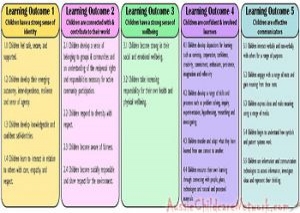 Here is the list of the EYLF Learning Outcomes that you can use as a guide or reference for your documentation and planning. The EYLF
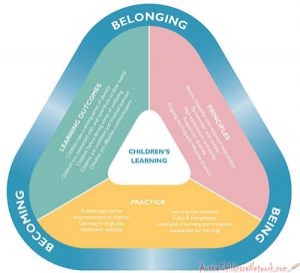 The EYLF is a guide which consists of Principles, Practices and 5 main Learning Outcomes along with each of their sub outcomes, based on identity,
 This is a guide on How to Write a Learning Story. It provides information on What Is A Learning Story, Writing A Learning Story, Sample
 One of the most important types of documentation methods that educators needs to be familiar with are “observations”. Observations are crucial for all early childhood
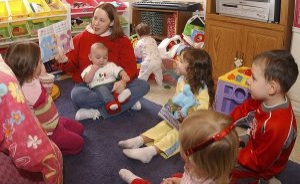 To support children achieve learning outcomes from the EYLF Framework, the following list gives educators examples of how to promote children's learning in each individual
 Reflective practice is learning from everyday situations and issues and concerns that arise which form part of our daily routine while working in an early
 When observing children, it's important that we use a range of different observation methods from running records, learning stories to photographs and work samples. Using
 Within Australia, Programming and Planning is reflected and supported by the Early Years Learning Framework. Educators within early childhood settings, use the EYLF to guide
 This is a guide for educators on what to observe under each sub learning outcome from the EYLF Framework, when a child is engaged in
 The Early Years Learning Framework describes the curriculum as “all the interactions, experiences, activities, routines and events, planned and unplanned, that occur in an environment