The following activity ideas are mapped to each event, offering educators practical ways to embed experiences that connect with the EYLF outcomes. With five suggestions per event, educators can select and adapt activities to suit their group’s interests, environment, and resources, ensuring programming remains engaging, inclusive, and purposeful throughout the month.
Daily Observances
World Milk Day – 1 June
- Milk Tasting Station – Compare cow, soy, and almond milk.
- Milk Art Experiment – Food colouring swirls with dish soap.
- Milk Carton Craft – Recycle cartons into bird feeders.
- Dairy Farm Role Play – Pretend play with toy cows and barns.
- Milk Song & Rhyme – Learn simple dairy-themed songs.
EYLF Outcomes: Outcome 2 (food diversity), Outcome 4 (science exploration), Outcome 5 (communication through song).
Italian National Day – 2 June
- Pizza Collage Craft – Paper pizzas with toppings.
- Italian Music & Dance – Move to traditional songs.
- Flag Painting – Create Italian flags with paint.
- Pasta Necklace Craft – Thread coloured pasta shapes.
- Italian Storytime – Read folktales or picture books.
- Let's Learn Italian For Young Children
- 10 Nursery Rhymes In Spanish, French, German, Italian, Japanese
- Focaccia
EYLF Outcomes: Outcome 1 (cultural identity), Outcome 2 (community awareness), Outcome 5 (expressive arts).
Mabo Day – 3 June
- Storytelling Circle – Share Eddie Mabo’s story.
- Land Art – Natural material artworks.
- Map Exploration—Show Torres Strait Islands on a map.
- Respect Discussion—Talk about fairness and rights.
- Indigenous Music Listening – Explore Torres Strait songs.
EYLF Outcomes: Outcome 1 (identity and respect), Outcome 2 (cultural connection), Outcome 5 (communication through music).
World Bicycle Day – 3 June
- Obstacle Course – Trikes or balance bikes outdoors.
- Bike Safety Role Play – Helmets and crossings.
- Wheel Printing Art – Dip toy wheels in paint.
- Bike Counting Game – Count bikes in the community.
- Storytime – Read “Duck on a Bike.”
EYLF Outcomes: Outcome 3 (well-being through movement), Outcome 4 (problem-solving), and Outcome 5 (literacy through story).
World Environment Day – 5 June
- Recycling Relay – Sorting items into bins.
- Nature Walk – Collect leaves, discuss ecosystems.
- Plant a Tree – Group planting activity.
- Eco-Pledge Poster – Children draw their promises.
- Composting Demo – Show food scraps turning to soil.
- Teaching Children About World Environment Day
- World Environment Day Colouring Pages
EYLF Outcomes: Outcome 2 (sustainability), Outcome 3 (outdoor well-being), and Outcome 4 (scientific inquiry).
Butterfly Education Day – 6 June
- Lifecycle Craft – Butterfly life cycle wheels.
- Garden Planting—Flowers to attract butterflies.
- Butterfly Dance – Movement with scarves.
- Symmetry Painting – Fold paper to make butterfly prints.
- Storytime – Read “The Very Hungry Caterpillar.”
EYLF Outcomes: Outcome 2 (caring for living things), Outcome 4 (science and creativity), Outcome 5 (literacy).
World Oceans Day – 8 June
- Ocean Sensory Bin – Water play with shells and sand.
- Save the Ocean Poster – Children design awareness posters.
- Underwater Role Play—Pretend to be sea creatures.
- Ocean Song Circle – Sing “Baby Shark” or sea shanties.
- Plastic-Free Challenge – Discuss reducing plastic use.
EYLF Outcomes: Outcome 2 (environmental awareness), Outcome 3 (well-being through play), and Outcome 5 (communication through art and song).
International Bath Day – 14 June
- Sink or Float Experiment – Test objects in water.
- Bubble Play – Outdoor bubble fun.
- Bath Toy Wash – Children clean toys in tubs.
- Water Painting – Paint with water on pavement.
- Bath Time Story – Read “Pigeon Needs a Bath.”
EYLF Outcomes: Outcome 3 (sensory well-being), Outcome 4 (scientific inquiry), and Outcome 5 (literacy).
Global Wind Day – 15 June
- Pinwheel Craft – Test outdoors.
- Wind Dance – Scarves in the breeze.
- Kite Flying—Simple paper kites.
- Wind Chime Craft – Make chimes from recycled materials.
- Fan Experiment – Observe wind power indoors.
EYLF Outcomes: Outcome 3 (movement and well-being), Outcome 4 (exploration and inquiry), and Outcome 5 (creative communication).
International Picnic Day – 18 June
- Outdoor Picnic – Families bring food.
- Picnic Role Play – Pretend baskets indoors.
- Fruit Salad Making – Children prepare fruit mixes.
- Picnic Blanket Art – Decorate paper blankets.
- Picnic Songs – Sing “Going on a Picnic.”
EYLF Outcomes: Outcome 1 (community bonding), Outcome 3 (well-being through food and play), and Outcome 5 (communication through song).
International Day of Yoga – 21 June
- Yoga Storytime – Combine poses with stories.
- Mindful Breathing—Relaxation exercises.
- Animal Poses – Pretend to be cats, dogs, or trees.
- Yoga Cards – Children draw pose cards.
- Quiet Reflection – Guided meditation for kids.
EYLF Outcomes: Outcome 1 (self-regulation), Outcome 3 (mind-body well-being), and Outcome 4 (confidence in learning).
World Music Day – 21 June
- Instrument Exploration – Drums, shakers, xylophones.
- Music Parade – March with instruments.
- Song Sharing – Children share favourite songs.
- DIY Instruments – Make shakers from bottles.
- Music & Movement – Freeze dance games.
EYLF Outcomes: Outcome 1 (creative identity), Outcome 3 (well-being through movement), and Outcome 5 (expressive communication).
World Rainforest Day – 22 June
- Rainforest Diorama – Group art project.
- Rainforest Sounds – Listen and discuss habitats.
- Animal Masks – Create rainforest animal masks.
- Rainforest Storytime – Read “The Great Kapok Tree.”
- Rainforest Yoga – Poses inspired by animals.
EYLF Outcomes: Outcome 2 (environmental connection), Outcome 4 (creative projects), Outcome 5 (literacy and communication).
International Women in Engineering Day – 23 June
- Building Challenge—Towers and bridges.
- Storytime – Books about female engineers.
- Engineering Role Play—Pretend construction site.
- STEM Puzzle Games – Problem-solving activities.
- Interview Guest – Invite a local female engineer.
EYLF Outcomes: Outcome 1 (identity and empowerment), Outcome 4 (STEM exploration), Outcome 5 (communication through storytelling).
National Sunglasses Day – 27 June
- Sunglasses Parade – Fun shades outdoors.
- Sun Safety Talk – Why sunglasses protect eyes.
- Design Your Own Shades – Craft paper sunglasses.
- Shadow Play – Explore light and shade outdoors.
- UV Experiment – Show how sunlight changes colours.
EYLF Outcomes: Outcome 1 (self-expression), Outcome 3 (health awareness), and Outcome 4 (scientific enquiry).
Please like/follow our Aussie Childcare Network Facebook page to receive event and celebration activity ideas, resources, documentation templates for child portfolios, and more.


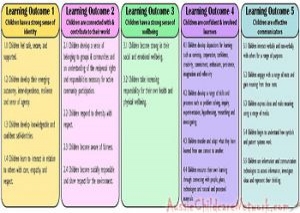 Here is the list of the EYLF Learning Outcomes that you can use as a guide or reference for your documentation and planning. The EYLF
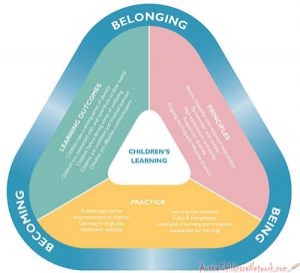 The EYLF is a guide which consists of Principles, Practices and 5 main Learning Outcomes along with each of their sub outcomes, based on identity,
 This is a guide on How to Write a Learning Story. It provides information on What Is A Learning Story, Writing A Learning Story, Sample
 One of the most important types of documentation methods that educators needs to be familiar with are “observations”. Observations are crucial for all early childhood
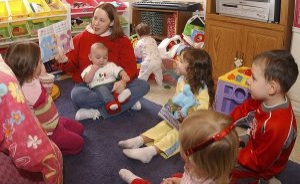 To support children achieve learning outcomes from the EYLF Framework, the following list gives educators examples of how to promote children's learning in each individual
 Reflective practice is learning from everyday situations and issues and concerns that arise which form part of our daily routine while working in an early
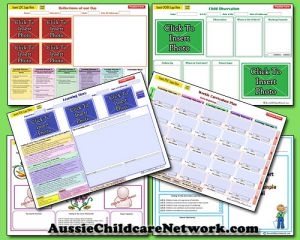
 When observing children, it's important that we use a range of different observation methods from running records, learning stories to photographs and work samples. Using
 Within Australia, Programming and Planning is reflected and supported by the Early Years Learning Framework. Educators within early childhood settings, use the EYLF to guide
 This is a guide for educators on what to observe under each sub learning outcome from the EYLF Framework, when a child is engaged in
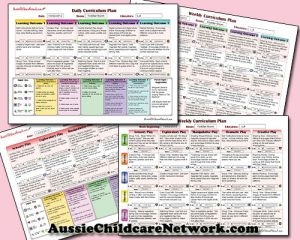 The Early Years Learning Framework describes the curriculum as “all the interactions, experiences, activities, routines and events, planned and unplanned, that occur in an environment