National Reconciliation Week (27 May – 3 June) invites children and educators to celebrate the shared story of Australia and deepen understanding of Aboriginal and Torres Strait Islander cultures. In early childhood, this begins with simple, meaningful experiences: listening to stories, exploring nature, creating art, and learning about respect and belonging.
The Reconciliation Week Lesson Plan helps educators embed reconciliation through play‑based learning, group discussions, and interest‑area exploration. Each day builds on the theme “All In," encouraging children to see themselves as part of a caring, respectful community.
Focus Goals For The Week
-
Foster empathy and respect through storytelling and shared experiences.
-
Connect children with Country through sensory and outdoor play.
-
Celebrate diversity and friendship through art and music.
-
Encourage educators to reflect on how reconciliation can be woven into everyday practice.
Weekly Curriculum Plan Ideas
Day – Monday: Welcome to Country
- Group Time Focus: Begin with a child‑friendly Acknowledgement of Country. Discuss “Who are the Traditional Owners of our land?”
- Books & Discussion Topics: Welcome to Country by Aunty Joy Murphy. Talk about respect and belonging.
- Art & Craft: Create a “Our Land” collage using natural materials (leaves, bark, and sand).
- Interest Areas Setup: Blocks: Add small native animal figurines. Home corner: Display Aboriginal flag colours. Music area: Play soft clapstick rhythms.
- EYLF Outcomes: Outcome 1: Children develop a sense of identity. Outcome 2: Children connect with and contribute to their world.
Day – Tuesday: Caring for Country
- Group Time Focus: Group chat: “How can we care for our playground and nature?”
- Books & Discussion Topics: Somebody’s Land by Adam Goodes. Discuss caring and sharing.
- Art & Craft: Paint with earth tones using sponges and sticks.
- Interest Areas Setup: Outdoor area: Nature walk collecting leaves. Science table: Magnifying glasses and seed pods. Art corner: Ochre‑inspired painting.
- EYLF Outcomes: Outcome 2: Children become socially responsible and show respect for the environment. Outcome 4: Children are confident and involved learners.
Day – Wednesday: Storytelling & Symbols
- Group Time Focus: Introduce Aboriginal symbols and storytelling.
- Books & Discussion Topics: Big Rain Coming by Katrina Germein. Discuss weather and Country.
- Art & Craft: Create story stones with simple symbols (sun, water, footprints).
- Interest Areas Setup: Literacy area: Symbol cards and matching games. Sand tray: Draw patterns with sticks. Quiet corner: Display story stones.
- EYLF Outcomes: Outcome 5: Children are effective communicators. Outcome 1: Children develop knowledgeable identities connected to culture.
Day – Thursday: Friendship & Respect
- Group Time Focus: Circle time: “What does it mean to be ‘All In’ together?”
- Books & Discussion Topics: The Rainbow Serpent by Dick Roughsey. Discuss friendship and creation stories.
- Art & Craft: Collaborative mural: handprints in rainbow colours.
- Interest Areas Setup: Dramatic play: Sharing and turn‑taking games. Art area: Group mural station. Library corner: Display reconciliation books.
- EYLF Outcomes: Outcome 1: Children learn to interact with empathy and respect. Outcome 3: Children have a strong sense of wellbeing through cooperative play.
Day – Friday: Celebration & Reflection
- Group Time Focus: Group reflection: “What did we learn this week?”
- Books & Discussion Topics: Revisit favourite stories. Children share what they liked most.
- Art & Craft: Make friendship bracelets using red, yellow, and black beads.
- Interest Areas Setup: Music area: Sing We Are One (simple chorus). Display area: Showcase artwork and photos. Writing corner: Educator reflection notes.
- EYLF Outcomes: Outcome 1: Children develop confidence in sharing ideas. Outcome 5: Children use symbols and language to communicate learning.
Notes for Educators
-
Outcome 1 (Identity): Strengthened through acknowledgement, storytelling, and reflection.
-
Outcome 2 (Community/Environment): Embedded in caring for Country and collaborative art.
-
Outcome 3 (Wellbeing): Supported through friendship, respect, and group rituals.
-
Outcome 4 (Learning): Encouraged via exploration, nature walks, and sensory play.
-
Outcome 5 (Communication): Developed through storytelling, symbols, songs, and reflection.
Interest Area Enhancements
- Art & Craft: Include Indigenous patterns and natural textures.
- Music & Movement: Use clapsticks, rhythm games, and songs about unity.
- Outdoor Play: Encourage Caring for Country through gardening or litter collection.
- Language & Literacy: Display First Nations words for “earth,” “sun,” and “water.”
- STEM Corner: Explore patterns in nature and Aboriginal counting stories.
Book Suggestions
- Welcome to Country – Aunty Joy Murphy
- Somebody’s Land – Adam Goodes & Ellie Laing
- Big Rain Coming – Katrina Germein
- The Rainbow Serpent – Dick Roughsey
- Our Home, Our Heartbeat – Adam Goodes
Educator Reflection Prompts
- How did children express respect and curiosity?
- Which activities encouraged collaboration?
- What ongoing reconciliation actions can we embed weekly?
Further Reading
National Reconciliation Week - 27 May to 3 June
Including Aboriginal and Torres Strait Islander Cultures In Your Service
Practical Steps For Including Aboriginal and Torres Strait Islander Cultures and People Within An Early Childhood Service

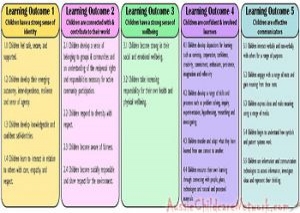 Here is the list of the EYLF Learning Outcomes that you can use as a guide or reference for your documentation and planning. The EYLF
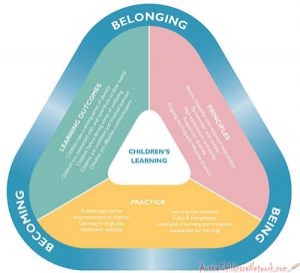 The EYLF is a guide which consists of Principles, Practices and 5 main Learning Outcomes along with each of their sub outcomes, based on identity,
 This is a guide on How to Write a Learning Story. It provides information on What Is A Learning Story, Writing A Learning Story, Sample
 One of the most important types of documentation methods that educators needs to be familiar with are “observations”. Observations are crucial for all early childhood
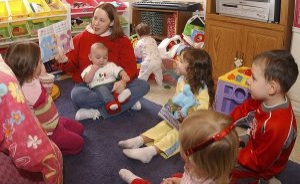 To support children achieve learning outcomes from the EYLF Framework, the following list gives educators examples of how to promote children's learning in each individual
 Reflective practice is learning from everyday situations and issues and concerns that arise which form part of our daily routine while working in an early
 When observing children, it's important that we use a range of different observation methods from running records, learning stories to photographs and work samples. Using
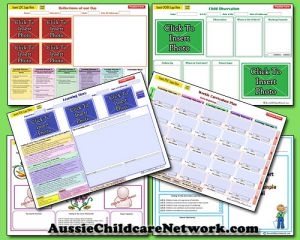 Within Australia, Programming and Planning is reflected and supported by the Early Years Learning Framework. Educators within early childhood settings, use the EYLF to guide
 This is a guide for educators on what to observe under each sub learning outcome from the EYLF Framework, when a child is engaged in
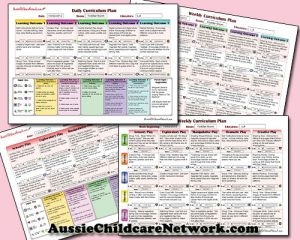 The Early Years Learning Framework describes the curriculum as “all the interactions, experiences, activities, routines and events, planned and unplanned, that occur in an environment