
In early childhood education, the words we choose shape how learning is seen, valued, and shared. The EYLF gives us a powerful framework but in the rush of daily practice, it’s easy to lose confidence in linking outcomes or finding the right language to describe children’s learning. That’s where keywords and prompts become transformative.
Using consistent, purposeful language helps educators capture learning clearly and confidently. It supports teams to analyse observations with depth, link meaningfully to outcomes, and plan follow‑ups that honour each child’s identity, culture, and capabilities. Most importantly, it keeps documentation manageable, intentional, and child‑centred.
This article explores how EYLF‑aligned keywords and prompts can streamline your observation cycle, strengthen reflective practice, and bring clarity to everyday planning.
The Power of Keywords in Daily Documentation
Keywords act as anchors. They help educators:
- identify learning quickly
- describe dispositions with clarity
- link to outcomes without lengthy explanations
- maintain consistency across teams
- reduce over‑documentation
- focus on what truly matters: the child’s learning journey
When educators share a common language, documentation becomes smoother, more collaborative, and more meaningful.
EYLF Outcome Keywords
Outcome 1: Identity
Autonomy, emotional security, relationships
- Recognise
- Self-initiate
- Decide
- Express feelings
- Lead
- Negotiate
- Take risks
- Feel proud
- Trust
- Comfort
- Explore self
Outcome 2: Community
Belonging, fairness, respect, contribution
- Include
- Welcome
- Share responsibility
- Acknowledge difference
- Respect voice
- Care for others
- Cooperate
- Build friendships
- Celebrate culture
- Participate
- Advocate
- Volunteer
Outcome 3: Wellbeing
Physical health, emotional regulation, resilience
- Balance
- Stretch
- Hydrate
- Rest
- Self-soothe
- Recognise needs
- Wait patiently
- Show determination
- Regain composure
- Nourish
- Move freely
- Demonstrate safety
Outcome 4: Learning
Thinking, curiosity, creativity, problem-solving
- Ask questions
- Plan
- Compare
- Experiment
- Imagine
- Build
- Tinker
- Focus
- Hypothesise
- Invent
- Adjust
- Explore outcomes
Outcome 5: Communication
Language, literacy, symbols, connection
- Describe
- Recount
- Name
- Listen actively
- Use gestures
- Read cues
- Draw meaning
- Write
- Perform
- Sign
- Retell
- Make connections
Using Prompts to Strengthen the Observation Cycle
Prompts guide educators to think deeply, analyse learning, and plan intentionally. They turn quick notes into meaningful documentation.
Observation Prompts
- What was the child doing and feeling?
- What materials were they drawn to?
- What skills, interactions, or dispositions emerged?
Analysis Prompts
- What does this reveal about the child’s development or identity?
- Which EYLF outcomes are reflected here?
- What dispositions (e.g., curiosity, resilience, empathy) were evident?
Follow‑Up Planning Prompts
- What experience could extend this learning?
- How can we embed child or family voice?
- What intentional teaching strategies will support deeper exploration?
Reflection Prompts
- What changed or deepened for the child?
- What surprised or challenged us?
- What thread of learning should we follow next?
These prompts keep documentation purposeful and aligned with the EYLF cycle—without adding unnecessary workload.
Making Documentation Manageable
Educators don’t need long narratives to demonstrate learning. Instead, focus on:
- clear keywords
- short, sharp analysis
- intentional follow‑ups
- visible planning
- child and family voice
Using shared language across the team builds confidence and reduces duplication. It also supports new educators, trainees, and relief staff to document with clarity.
Bringing It All Together
When educators use EYLF‑aligned keywords and prompts daily, documentation becomes:
- faster
- more consistent
- more reflective
- more meaningful
- more child‑centred
It shifts the focus from “ticking boxes” to truly seeing children—how they think, feel, explore, and grow.
This is documentation that honours identity, celebrates learning, and supports educators to work with purpose and clarity.
Further Reading
EYLF Documentation Cheat Sheet for Educators
Free EYLF Version 2.0 Posters and Cheat Sheets
EYLF Principles & Practices Cheat Sheet
EYLF Outcome 1 Cheat Sheet


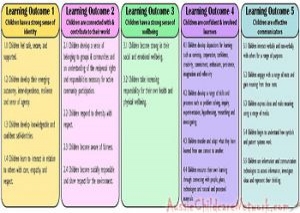 Here is the list of the EYLF Learning Outcomes that you can use as a guide or reference for your documentation and planning. The EYLF
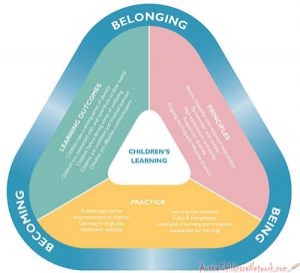 The EYLF is a guide which consists of Principles, Practices and 5 main Learning Outcomes along with each of their sub outcomes, based on identity,
 This is a guide on How to Write a Learning Story. It provides information on What Is A Learning Story, Writing A Learning Story, Sample
 One of the most important types of documentation methods that educators needs to be familiar with are “observations”. Observations are crucial for all early childhood
 To support children achieve learning outcomes from the EYLF Framework, the following list gives educators examples of how to promote children's learning in each individual
 Reflective practice is learning from everyday situations and issues and concerns that arise which form part of our daily routine while working in an early
 When observing children, it's important that we use a range of different observation methods from running records, learning stories to photographs and work samples. Using
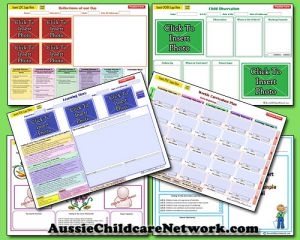 Within Australia, Programming and Planning is reflected and supported by the Early Years Learning Framework. Educators within early childhood settings, use the EYLF to guide
 This is a guide for educators on what to observe under each sub learning outcome from the EYLF Framework, when a child is engaged in
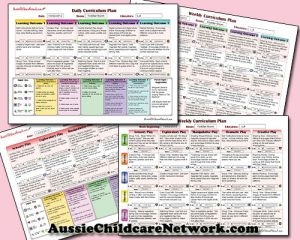 The Early Years Learning Framework describes the curriculum as “all the interactions, experiences, activities, routines and events, planned and unplanned, that occur in an environment