



Erikson Psychosocial Development stages: trust, independence, confidence, identity explained simply.

Piaget's cognitive development stages: senses, play, logic, and abstract thinking explained simply.

Quality Area Cheat Sheets 1–7: Simplify NQS standards with clear guides for educators and services.

Here’s a cheat sheet for Quality Area 7: Leadership and Governance from the NQS. This cheat sheet includes each standard, its elements, and practical examples tailored for early childhood settings.

Here’s a concise compliance cheat sheet for Quality Area 1 (Educational Programme and Practice) under the National Quality NQS. It highlights the essential elements, documentation requirements, and reflective practices you need to demonstrate compliance while maintaining authentic pedagogy.

When documenting children’s learning, educators often feel pressured to align every observation with codes, sub‑outcomes, or compliance language. Yet, meaningful documentation doesn’t need to be weighed down by technical jargon. Instead, it can highlight dispositions, behaviours, and processes that reveal how children are engaging with their world.
The following keywords provide a practical lens for educators: they are simple, observable, and flexible enough to be woven into analysis, reflections, and planning notes. By focusing on these words, educators can capture the richness of children’s identity, community, well-being, learning, and communication without losing sight of the bigger picture. They act as anchors for professional reflection and as bridges to families, making documentation both accessible and purposeful.

This cheat sheet condenses the principles, practices, and learning outcomes into a quick reference, with real OOSH examples to show how theory translates into everyday practice.

A clear, practical EYLF Outcome 1 cheat sheet for educators, with examples, observation wording, and strategies to document children’s identity, belonging, autonomy, emotional well-being, and respectful relationships across daily routines.
Outcome 1 is the foundation of early childhood learning; everything else grows from here. It focuses on children’s identity: how they see themselves, how safe and supported they feel, and how they relate to others. When children experience belonging, security, autonomy, emotional well-being, and respectful relationships, they develop the confidence and resilience needed for all future learning.
This cheat sheet gives educators a practical, easy‑to‑use guide to understanding, observing, and documenting Outcome 1 across everyday routines. With clear indicators, real-world examples, and ready‑to‑use documentation prompts, educators can capture meaningful learning without unnecessary paperwork.

Summative assessments are more than end-point reflections—they’re storytelling tools that honour each child’s journey. They help educators celebrate growth, identify emerging skills, and co-plan intentional next steps. This guide is designed for quick glances during documentation, team huddles, or family meetings, keeping your language strengths-based, specific, and emotionally resonant.
Use it to:

Here’s an educator-friendly EYLF V2.0 Reference Sheet designed for quick use in planning, documentation, and reflection. It’s structured to support intuitive linking between observations and outcomes, with simplified language and examples to spark educator insight.
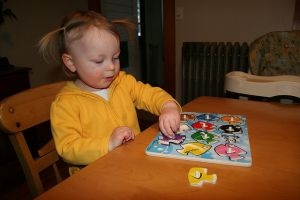 Toddlers have a greater understanding of the world around them by this stage. Their cognitive development (also known as intellectual development and thinking skills) continues… Read More
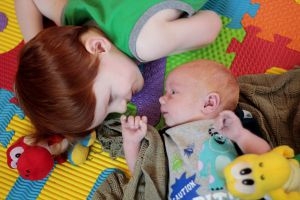 Infants begin to develop trust when parents begin to fulfil their needs. Such as changing an infant's nappy when needed, feeding on request and holding… Read More
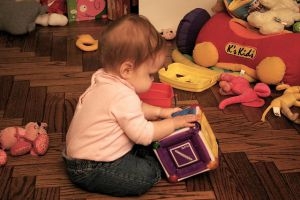 Beginning at birth the construction of thought processes, such as memory, problem solving, exploration of objects etc, is an important part of an infant’s cognitive… Read More
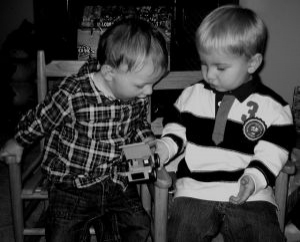 Toddlers want to do more on their own and do not like it when you begin to establish limits on their behaviour. Tantrums can become… Read More
 Your preschooler is now able to focus their attention more accurately and is less influenced by distractions. The intensity of questions increase as your child… Read More
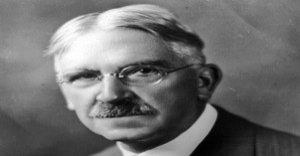 John Dewey is often seen as the proponent of learning by doing – rather than learning by passively receiving. He believed that each child was active,… Read More
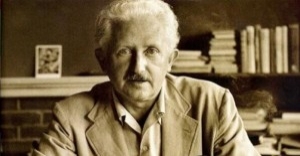 Erik Erikson developed a psychosocial theory to understand how we each develop our identities through eight stages of psychosocial development from infancy to adulthood. The… Read More
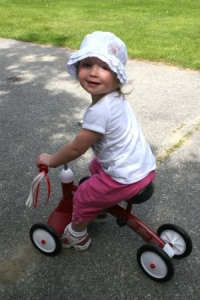 Toddler advance and gains new skills in Gross Motor Development milestones achieved throughout earlier years. Co-ordination and challenges that could not be performed before such… Read More
 At this point preschoolers begin to interact effectively with others. Play becomes more innovative and organized and “boyfriend” or “girlfriend” begins to emerge. Preschoolers have… Read More
 From now, babies begin to identify and respond to their own feelings, understanding other's feelings & needs and interact positively with others. A baby's social and… Read More
Working as a childcare professional can be a challenge especially when dealing with behavioural problems...
See more...
Calming down an angry child is important as it helps to enhance awareness about their...
See more...
Rubin’s and his associate’s studies have done much to clarify the developmental levels of children’s...
See more...