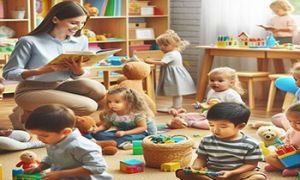
October encourages children to explore themes of community, wellbeing, creativity, and safety. By linking activities to the EYLF learning outcomes, educators can create meaningful experiences that foster identity, belonging, and curiosity.
This guide provides practical activity ideas for each October event, helping services plan engaging programs that celebrate diversity, encourage healthy practices, and inspire exploration.
1st October
International Music Day
Activity Ideas:
- Create a “World Music Exploration” corner with multicultural instruments. EYLF: Outcome 1 - Identity.
- Encourage children to experiment with rhythm using everyday objects (pots, spoons, bottles). EYLF: Outcome 2 - Community.
- Organise a group sing-along or dance circle to promote collaboration. EYLF: Outcome 5 - Communication.
World Vegetarian Day
Activity Ideas:
- Host a “Rainbow Veggie Tasting” where children sample colourful vegetables. EYLF: Outcome 3 - Wellbeing.
- Create veggie art by stamping cut vegetables dipped in paint onto paper. EYLF: Outcome 2 - Community.
- Read a storybook about healthy eating and discuss where vegetables come from. EYLF: Outcome 4 - Learning.
- Invite families to share simple vegetarian recipes for a community cookbook. EYLF: Outcome 2 - Community.
6th October - 12th October
Australian Wildlife Week
Activity Ideas:
- Create kangaroo, koala, or wombat masks using paper plates and natural materials. EYLF: Outcome 1 - Identity.
- Read Australian animal books (Possum Magic, Wombat Stew) and retell stories with puppets. EYLF: Outcome 2 - Community.
- Take children outdoors for a nature walk to observe birds and insects, sketching what they see. EYLF: Outcome 4 - Learning.
- Introduce Aboriginal dot art styles by creating dot paintings of emus or platypuses. EYLF: Outcome 5 - Communication.
- Discuss endangered species and create posters on “How we can help animals.” EYLF: EYLF: Outcome 2 - Community.
2nd October
World Smile Day
Activity Ideas:
- Smile Wall – Children draw or paste photos of things that make them smile. EYLF: Outcome 1 – Identity.
- Kindness Role-Play – Act out scenarios of helping, sharing, and caring. EYLF: Outcome 2 – Community.
- Smiley Crafts – Paper plate smiley faces with collage materials. EYLF: Outcome 4 – Learning.
- Photo Booth – Capture children’s smiles and display them in the room. EYLF: Outcome 5 – Communication.
4th October
World Animal Day
Activity Ideas:
- Animal Role-Play – Children pretend to be their favourite animals. EYLF: Outcome 1 – Identity.
- Habitat Dioramas – Create shoebox habitats for native animals. EYLF: Outcome 2 – Community.
- Pet Care Discussion – Talk about how to look after pets. EYLF: Outcome 3 – Wellbeing.
- Animal Art – Finger painting or collage of Australian animals. EYLF: Outcome 4 – Learning.
4th October - 10th October
World Space Week
Activity Ideas:
- Cardboard Rockets – Build and decorate rockets. EYLF: Outcome 4 – Learning.
- Solar System Mobiles – Glow-in-the-dark planets hung in the classroom. EYLF: Outcome 2 – Community.
- Stargazing Apps – Explore constellations with digital tools. EYLF: Outcome 5 – Communication.
- Space Storytelling – Children invent stories about astronauts and aliens. EYLF: Outcome 1 – Identity.
19th - 25th October
National Bird Week
Activity Ideas:
- Aussie Bird Count – Participate in the national bird survey. EYLF: Outcome 2 – Community.
- Bird Feeders – Make feeders from recycled materials. EYLF: Outcome 3 – Wellbeing.
- Bird Sketching – Observe and draw local birds. EYLF: Outcome 4 – Learning.
- Bird Songs – Listen to bird calls and mimic them. EYLF: Outcome 5 – Communication.
24th October - 1st November
Children’s Week
Activity Ideas:
- Rights Posters – Children illustrate “What makes me feel safe.” EYLF: Outcome 1 – Identity.
- Talent Showcase – Singing, dancing, or storytelling performances. EYLF: Outcome 5 – Communication.
- Collaborative Mural – Group artwork celebrating children’s voices. EYLF: Outcome 2 – Community.
- Family Involvement – Invite families to share traditions or games. EYLF: Outcome 6 – Partnerships.
25th October
World Pasta Day
Activity Ideas:
- Pasta Threading – Fine motor activity with coloured pasta. EYLF: Outcome 4 – Learning.
- Pasta Collages – Glue pasta shapes into creative art. EYLF: Outcome 5 – Communication.
- Cooking Simple Pasta – Children help prepare a healthy pasta dish. EYLF: Outcome 3 – Wellbeing.
- Counting Pasta – Maths activity sorting pasta shapes. EYLF: Outcome 4 – Learning.
31st October
Halloween
Activity Ideas:
- Dress-Ups – Costume parade with storytelling. EYLF: Outcome 1 – Identity.
- Pumpkin Crafts – Painting or carving pumpkins. EYLF: Outcome 4 – Learning.
- Spooky Storytelling – Age-appropriate “spooky but fun” tales. EYLF: Outcome 5 – Communication.
- Mystery Sensory Box – Touch-and-feel sensory play with hidden items. EYLF: Outcome 3 – Wellbeing.
Day For Daniel
Activity Ideas:
- Safety Role-Play – Practice identifying trusted adults. EYLF: Outcome 2 – Community.
- Red-Themed Day – Wear red to raise awareness. EYLF: Outcome 1 – Identity.
- Safe Hands Posters – Children draw who keeps them safe. EYLF: Outcome 5 – Communication.
- Safety Circle Time – Group discussion on personal safety. EYLF: Outcome 3 – Wellbeing.



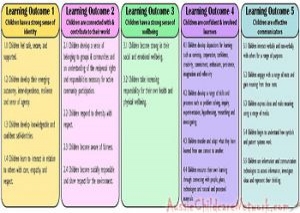 Here is the list of the EYLF Learning Outcomes that you can use as a guide or reference for your documentation and planning. The EYLF
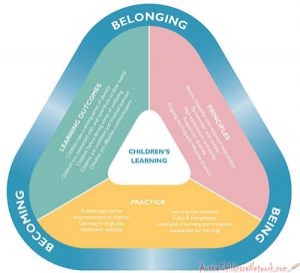 The EYLF is a guide which consists of Principles, Practices and 5 main Learning Outcomes along with each of their sub outcomes, based on identity,
 This is a guide on How to Write a Learning Story. It provides information on What Is A Learning Story, Writing A Learning Story, Sample
 One of the most important types of documentation methods that educators needs to be familiar with are “observations”. Observations are crucial for all early childhood
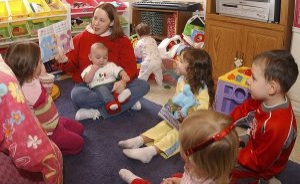 To support children achieve learning outcomes from the EYLF Framework, the following list gives educators examples of how to promote children's learning in each individual
 Reflective practice is learning from everyday situations and issues and concerns that arise which form part of our daily routine while working in an early
 When observing children, it's important that we use a range of different observation methods from running records, learning stories to photographs and work samples. Using
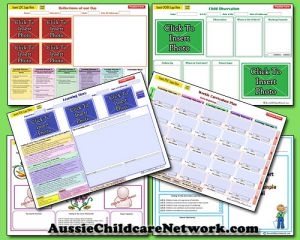 Within Australia, Programming and Planning is reflected and supported by the Early Years Learning Framework. Educators within early childhood settings, use the EYLF to guide
 This is a guide for educators on what to observe under each sub learning outcome from the EYLF Framework, when a child is engaged in
 The Early Years Learning Framework describes the curriculum as “all the interactions, experiences, activities, routines and events, planned and unplanned, that occur in an environment