Erikson Psychosocial Development stages: trust, independence, confidence, identity explained simply.
Erik Erikson’s theory of Psychosocial Development explains how children build trust, confidence, and identity through social experiences. Each stage focuses on balancing emotional needs and developing a sense of self. Educators can support this growth by creating safe, nurturing environments where children feel valued and capable.
Core Idea
- Children grow emotionally and socially through relationships and experiences. Each stage helps them learn trust, independence, confidence, and identity.
Key Concepts
- Trust vs. Mistrust – babies learn to feel safe when cared for.
- Autonomy vs. Shame – toddlers gain independence by trying things themselves.
- Initiative vs. Guilt – preschoolers explore and take action through play.
- Industry vs. Inferiority – school‑age children build confidence through effort and teamwork.
- Identity vs. Role Confusion – older children and teens discover who they are and what they value.
10 Everyday Practice Examples
- Comforting infants – builds trust and emotional security.
- Encouraging independence – supports autonomy and confidence.
- Role play – helps children express initiative and imagination.
- Teamwork activities – promote cooperation and industry.
- Classroom jobs – develop responsibility and pride.
- Peer identity projects – allow self‑expression and belonging.
- Creative expression – supports emotional growth.
- Goal setting – builds persistence and self‑belief.
- Reflection journals – encourage self‑awareness.
- Group projects – strengthen collaboration and respect.
EYLF Links
- Outcome 1: Children develop knowledgeable and confident self‑identities → Role play, peer identity projects.
- Outcome 2: Children develop a sense of fairness and respect for others → Teamwork, group projects.
- Outcome 3: Children have a strong sense of well-being → Comforting infants, encouraging independence, and creative expression.
Observation Words
- Trusting
- Exploring
- Initiating
- Cooperating
- Expressing
- Achieving
- Identifying
- Reflecting
- Encouraging
- Supporting
Erikson’s stages remind educators that emotional growth is just as vital as cognitive learning. By fostering trust, independence, and identity, we help children build resilience and confidence—the foundation for lifelong well-being and positive relationships.
Further Reading
Erik Erikson - Psychosocial Development
Activities That Link To Erik Erickson Psychosocial Development
Child Theorists and Their Theories in Practice


 Toddlers have a greater understanding of the world around them by this stage. Their cognitive development (also known as intellectual development and thinking skills) continues
 Infants begin to develop trust when parents begin to fulfil their needs. Such as changing an infant's nappy when needed, feeding on request and holding
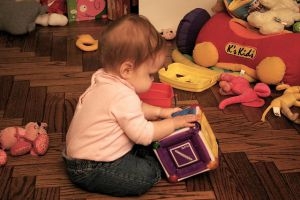 Beginning at birth the construction of thought processes, such as memory, problem solving, exploration of objects etc, is an important part of an infant’s cognitive
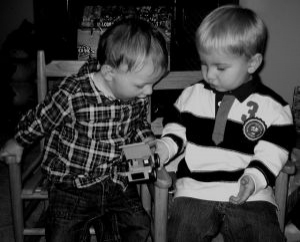 Toddlers want to do more on their own and do not like it when you begin to establish limits on their behaviour. Tantrums can become
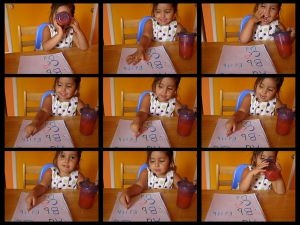 Your preschooler is now able to focus their attention more accurately and is less influenced by distractions. The intensity of questions increase as your child
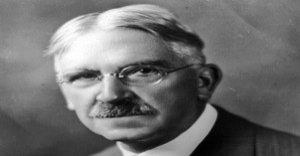 John Dewey is often seen as the proponent of learning by doing – rather than learning by passively receiving. He believed that each child was active,
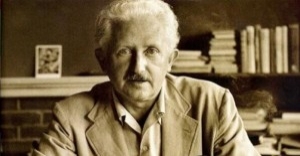 Erik Erikson developed a psychosocial theory to understand how we each develop our identities through eight stages of psychosocial development from infancy to adulthood. The
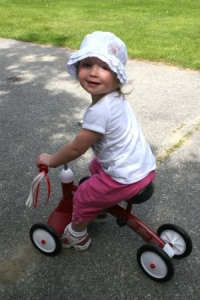 Toddler advance and gains new skills in Gross Motor Development milestones achieved throughout earlier years. Co-ordination and challenges that could not be performed before such
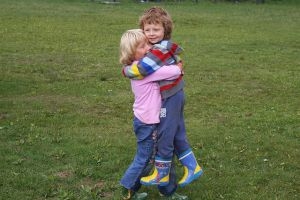 At this point preschoolers begin to interact effectively with others. Play becomes more innovative and organized and “boyfriend” or “girlfriend” begins to emerge. Preschoolers have
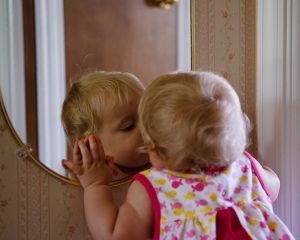 From now, babies begin to identify and respond to their own feelings, understanding other's feelings & needs and interact positively with others. A baby's social and