This cheat sheet condenses the principles, practices, and learning outcomes into a quick reference, with real OOSH examples to show how theory translates into everyday practice.
Principles
- Secure, respectful and reciprocal relationships
OOSH Example: Educators greet each child warmly at sign-in, ask about their day, and check in emotionally before activities. - Partnerships
OOSH Example: Families share cultural recipes for cooking club, and children help plan the weekly menu. - High expectations and equity
OOSH Example: Adapted sports equipment ensures all children, including those with additional needs, can join in group games. - Respect for diversity
OOSH Example: Celebrating NAIDOC Week with Aboriginal storytelling and art workshops led by community members. - Ongoing learning and reflective practice
OOSH Example: Staff hold fortnightly reflection meetings to review activity success and adjust based on children’s feedback.
Practices
- Holistic approaches
OOSH Example: Yoga sessions combining physical movement, mindfulness, and social connection. - Responsiveness to children
OOSH Example: When children show interest in insects outside, educators set up a bug exploration station indoors. - Learning through play and leisure
OOSH Example: Free-choice art corner with recycled materials for sculpture-making. - Intentionality
OOSH Example: STEM challenges like building bridges with straws to foster problem-solving. - Environments
OOSH Example: Cozy reading nooks with cushions and soft lighting for quiet downtime. - Cultural competence
OOSH Example: Including bilingual storybooks and inviting families to share songs in their home languages. - Continuity and transitions
OOSH Example: Supporting children moving from primary to high school with peer mentoring activities. - Assessment for learning
OOSH Example: Documenting children’s teamwork progress during group projects and sharing reflections with families.
Learning Outcomes
- Children have a strong sense of identity
OOSH Example: Children design “All About Me” posters to display in the OOSH room. - Children are connected with and contribute to their world
OOSH Example: Recycling initiative where children sort waste and track landfill diversion. - Children have a strong sense of well-being.
OOSH Example: Daily outdoor play with sports, gardening, and mindfulness activities. - Children are confident and involved learners
OOSH Example: Children lead a cooking class, experimenting with recipes and sharing outcomes. - Children are effective communicators
OOSH Example: Drama club where children script and perform short plays, practicing verbal and nonverbal communication.
Quick Reference Table
| Principles | Practices | Learning Outcomes | OOSH Example |
|---|---|---|---|
| Relationships | Holistic approaches | Identity | Greeting children by name |
| Partnerships | Responsiveness | Connectedness | Family recipe cooking club |
| High expectations | Play & leisure | Well-being | Adapted sports equipment |
| Respect for diversity | Intentionality | Confident learners | NAIDOC Week storytelling |
| Reflective practice | Environments, cultural competence, transitions, assessment | Effective communicators | Staff reflection meetings |
Notes for Educators
- MTOP v2.0 emphasises well-being, life skills, and digital literacy in OSHC.
- Use the framework as a planning and reflection tool, not a checklist.
- Align documentation with Quality Area 1 (Educational Program and Practice) under the NQS.
This cheat sheet is designed to be a living resource, something your OOSH team can revisit, adapt, and expand as children’s interests evolve. By connecting MTOP v2.0 principles and practices with real-world examples, educators can ensure programs are not only compliant but also meaningful, inclusive, and joyful for every child. Keep it visible, use it in reflections, and let it inspire creative programming that truly embodies My Time, Our Place.
Further Reading
MTOP Learning Outcomes V2.0
How Educators Promote MTOP Outcomes 2.0
Principles Of The MTOP Version 2.0
MTOP Posters With Images V2.0
Practical Activity Examples Linked To The MTOP Framework


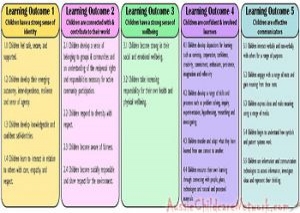 Here is the list of the EYLF Learning Outcomes that you can use as a guide or reference for your documentation and planning. The EYLF
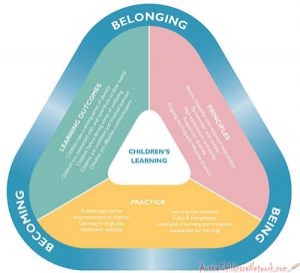 The EYLF is a guide which consists of Principles, Practices and 5 main Learning Outcomes along with each of their sub outcomes, based on identity,
 This is a guide on How to Write a Learning Story. It provides information on What Is A Learning Story, Writing A Learning Story, Sample
 One of the most important types of documentation methods that educators needs to be familiar with are “observations”. Observations are crucial for all early childhood
 To support children achieve learning outcomes from the EYLF Framework, the following list gives educators examples of how to promote children's learning in each individual
 Reflective practice is learning from everyday situations and issues and concerns that arise which form part of our daily routine while working in an early
 When observing children, it's important that we use a range of different observation methods from running records, learning stories to photographs and work samples. Using
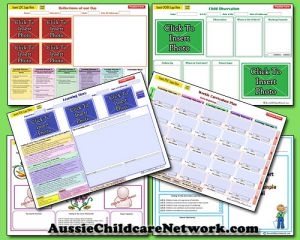 Within Australia, Programming and Planning is reflected and supported by the Early Years Learning Framework. Educators within early childhood settings, use the EYLF to guide
 This is a guide for educators on what to observe under each sub learning outcome from the EYLF Framework, when a child is engaged in
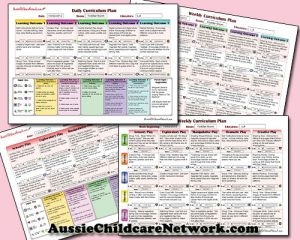 The Early Years Learning Framework describes the curriculum as “all the interactions, experiences, activities, routines and events, planned and unplanned, that occur in an environment