Here’s a cheat sheet for Quality Area 7: Leadership and Governance from the NQS. This cheat sheet includes each standard, its elements, and practical examples tailored for early childhood settings.
Quality Area 7 Element Breakdown
| Standard | Element | Focus | Description |
|---|---|---|---|
| 7.1 – Governance | 7.1.1 | Service philosophy | Philosophy guides practice, is informed by families, and underpins decision-making. |
| 7.1.2 | Management systems | Systems are in place to manage risk, support compliance, and enable continuous improvement. | |
| 7.1.3 | Roles and responsibilities |
Roles are clear, understood, and support accountability and effective operation. |
|
| Standard | Element | Focus | Description |
|---|---|---|---|
| 7.2 – Leadership | 7.2.1 | Continuous improvement | A culture of reflection and improvement is embedded across the service. |
| 7.2.2 | Educational leadership | The educational leader supports pedagogy, reflective practice, and curriculum development. | |
| 7.2.3 | Development of professionals | Educators are supported to build skills, knowledge, and professional identity. |
Practical Examples
Standard 7.1 – Governance
7.1.1 Service philosophy
- Collaborative workshops with families to co-create philosophy statements
- Visual displays of philosophy in child-friendly language and symbols
- Annual review of philosophy linked to Quality Improvement Plan (QIP)
7.1.2 Management systems
- Risk assessment templates for excursions and daily routines
- Digital compliance calendars for policy reviews and audits
- Incident reporting systems with reflective follow-up
7.1.3 Roles and responsibilities
- Clear role descriptions shared during induction
- Visual organisational charts displayed in staff areas
- Regular team meetings clarifying responsibilities and accountability
Standard 7.2 – Leadership
7.2.1 Continuous improvement
- Staff reflection journals linked to QIP goals
- Monthly “practice spotlight” sessions to share innovations
- Family surveys feeding into service improvement plans
7.2.2 Educational leadership
- Mentoring sessions on linking observations to EYLF outcomes
- Facilitated reflective discussions after program evaluations
- Resource library curated by the educational leader for pedagogy
7.2.3 Professional development
- Individual learning plans for educators aligned with career goals
- Peer coaching and buddy systems for new staff
- Access to webinars, sector conferences, and cultural competence training
Further Reading
How To Achieve Quality Area 7
Reflection Questions For Quality Area 7
Documentation Services Require To Support Quality Area 7


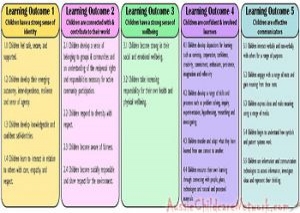 Here is the list of the EYLF Learning Outcomes that you can use as a guide or reference for your documentation and planning. The EYLF
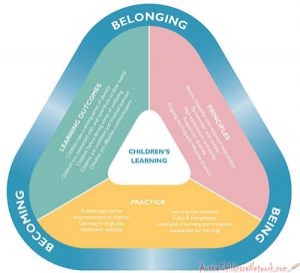 The EYLF is a guide which consists of Principles, Practices and 5 main Learning Outcomes along with each of their sub outcomes, based on identity,
 This is a guide on How to Write a Learning Story. It provides information on What Is A Learning Story, Writing A Learning Story, Sample
 One of the most important types of documentation methods that educators needs to be familiar with are “observations”. Observations are crucial for all early childhood
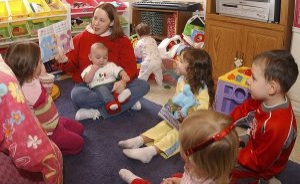 To support children achieve learning outcomes from the EYLF Framework, the following list gives educators examples of how to promote children's learning in each individual
 Reflective practice is learning from everyday situations and issues and concerns that arise which form part of our daily routine while working in an early
 When observing children, it's important that we use a range of different observation methods from running records, learning stories to photographs and work samples. Using
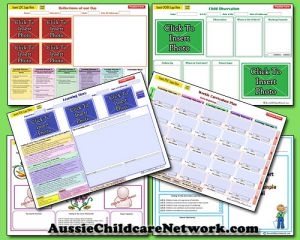 Within Australia, Programming and Planning is reflected and supported by the Early Years Learning Framework. Educators within early childhood settings, use the EYLF to guide
 This is a guide for educators on what to observe under each sub learning outcome from the EYLF Framework, when a child is engaged in
 The Early Years Learning Framework describes the curriculum as “all the interactions, experiences, activities, routines and events, planned and unplanned, that occur in an environment