



Potion play is a form of sensory and imaginative play where children mix natural or everyday materials (like water, herbs, petals, spices, sand, or glitter) to create “potions.” It’s not about real magic but about sparking creativity, curiosity, and exploration. Children pretend their mixtures have special powers, which builds storytelling and symbolic thinking.

Lunar New Year (17th February 2026) is a vibrant celebration observed across many Asian cultures, symbolizing renewal, family, and hope for the year ahead. In early childhood settings, it offers a rich opportunity to honor cultural diversity, foster inclusion, and spark joy through sensory experiences, storytelling, and creative play. By tailoring activities to babies, toddlers, and preschoolers, educators can create meaningful, age-appropriate engagements that respect traditions while nurturing curiosity and belonging.

Children thrive when they can do—exploring, tinkering, and experimenting. Science activities in OSHC settings not only engage curious minds but also build teamwork, problem‑solving, and resilience. Best of all, many experiments can be done with everyday materials, keeping costs low while maximising fun.

Children are naturally drawn to bright, vivid colours, which makes rainbow-themed science experiments instantly engaging and relatable. Because colours are part of their everyday world—seen in toys, clothes, art, and nature, rainbow experiments provide a familiar entry point into scientific exploration.
These activities spark curiosity and wonder by showing how ordinary materials can transform into extraordinary displays of color. Whether it’s watching water “walk” across paper towels, seeing milk swirl into rainbow patterns, or layering liquids into a colorful tower, children experience science as something magical yet understandable.

Healthy eating is an important part of children’s growth and development. Embedding food exploration into play and routines helps children build positive relationships with food, develop independence, and learn about their bodies. This theme encourages children to explore fruits, vegetables, grains, and water in fun, age-appropriate ways.

The following gives you 50+ boredom-busting activities across five themed days—Maker Monday, Challenge Tuesday, Creative Wednesday, Active Thursday, and Chill Friday. Each theme includes 10 low-prep, high-engagement ideas that respect older children’s growing identity and sense of autonomy.

Australia Day offers a powerful opportunity to reflect on the rich tapestry that makes this country truly unique. From the enduring wisdom and culture of Aboriginal and Torres Strait Islander peoples to the vibrant diversity of communities across the continent, Australia is a land of many voices, stories, and landscapes. Celebrating Australia Day means acknowledging the past, embracing the present, and nurturing a future built on respect, inclusion, and shared pride.

At the beginning of the year, children step into a new environment filled with unfamiliar faces, routines, and expectations. By introducing the theme “Building Our Classroom Family,” educators create a safe, welcoming space where every child feels valued, connected, and supported.
This theme emphasises belonging, emotional safety, and community. It helps babies form secure attachments, toddlers learn the joy of helping and sharing, and preschoolers develop empathy and responsibility. Through songs, stories, group activities, and family-centered displays, children begin to see the classroom not just as a place to learn, but as a family where everyone cares for one another.
By weaving this theme into daily practice, educators intentionally nurture identity, celebrate diversity, and strengthen the bridge between home and school. The classroom becomes a family where each child’s uniqueness is honored, and together, they build the foundation for lifelong learning and relationships.

Every educator has witnessed it: a child overwhelmed by emotions so big they spill into the learning space. These moments can feel disruptive, but they are also opportunities. When children learn to regulate emotions with the support of trusted adults, they build resilience, empathy, and lifelong skills for navigating challenges.
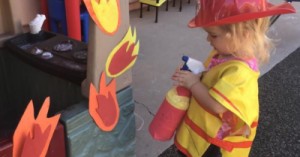
This learning experience is designed to approach the topic gently through play, storytelling, small‑world exploration, and hands‑on creativity. Rather than focusing on danger, it highlights helpers, community care, and nature’s remarkable ability to heal and regrow. The aim is to empower children with knowledge in a developmentally appropriate way, supporting emotional regulation while strengthening their connection to Country and community.
By engaging with familiar materials, calm routines, and open‑ended play, children can explore big ideas safety, responsibility, resilience, and environmental cycles in ways that feel safe, supported, and meaningful. This plan honours children’s voices, respects cultural perspectives on fire and land care, and provides educators with a thoughtful, responsive framework for guiding conversations during bushfire season.
 Open ended questions cannot be responded to with one word answers such as yes or no. These types of questions enables a child to provide… Read More
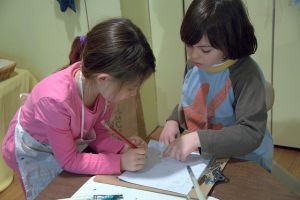 During your child’s preschool years, an important milestone begins to emerge. This is the development of pre-writing skills. Pre-writing skills are used to encourage, develop… Read More
 An Acknowledgment of the Country is a way of showing respect for the Traditional Owners and can be given by both non-Indigenous people and Aboriginal… Read More
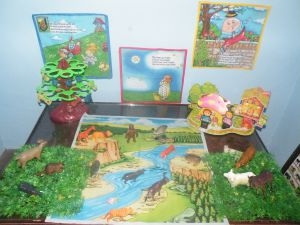 Open ended materials enables children to play freely. They are objects that have no rules to follow, use or function. Raw materials that can be… Read More
 Language plays an important role in a child’s development. It enables a child to communicate effectively with their family, learn at school, socialize with friends,… Read More
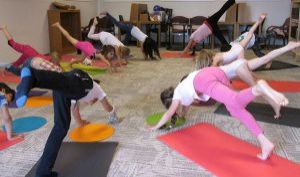 Like adults, children have to deal with their own stress in life. Moving house, starting a new school, preparing for a new sibling - these are… Read More
 Playdough is such a versatile material. It provides numerous benefits to children as they manipulate it, it is safe and soothing and provides children with… Read More
 Teaching children about sustainability enables them to appreciate and respect the natural environment. Early childhood services can provide meaningful hand on learning experiences in order… Read More
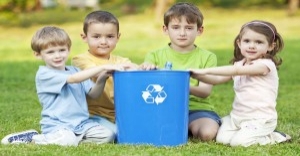 Recycling is an important concept that teaches children to care for the environment. It encourages children to be responsible and show a growing appreciating for… Read More
 Incursions provide children with the opportunity to explore meaningful learning experiences in the comfort of their early childhood service. The following provides a directory of… Read More

Saying sorry is among the earliest lessons in interpersonal behaviour that children learn when growing...
See more...
International Kite Day is held on January 14th, 2024. The following provides a list of...
See more...
Quality Area 4 of the National Quality Standard focuses on Staffing Arrangements, ensuring that educators...
See more...