


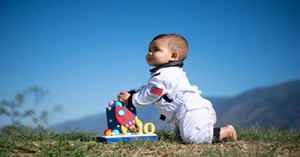
World Space Week ideas for babies and toddlers: sensory play, crafts, songs, and gentle learning.
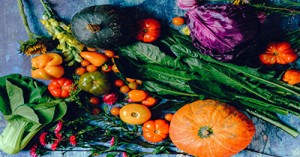
Here’s a curated list of simple, quick, and tasty vegetarian recipes designed with young children in mind—perfect for early learning settings or family meals. These recipes balance nutrition, sensory appeal, and ease of preparation, with options that support cultural inclusion and dietary needs.

Rainy days can stir up big energy in little bodies. When outdoor play isn’t an option, indoor environments need to flex—offering sensory-rich, emotionally intelligent experiences that soothe, engage, and inspire. Here are 20 educator-approved activities to transform stormy skies into golden opportunities for learning and connection.

By empowering early childhood educators to embrace Auslan and foster inclusive communication from the earliest years. Here's a scaffolded guide to help you begin teaching Auslan in early childhood settings for toddlers and preschoolers.

Here are 5 gentle, emotionally intelligent, story-based resources designed to help young children understand body boundaries, safe adults, and protective behaviors.
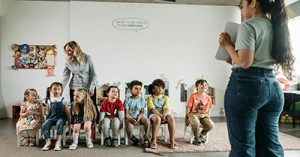
Talking to young children about child protection is one of the most powerful ways to build their sense of safety, agency, and trust. It’s not about instilling fear—it’s about giving them language, confidence, and clarity to navigate their world. Here’s how to approach it with warmth, honesty, and age-appropriate care.

Father’s Day is on the 6th of September 2026; it's time to start thinking of gifts from babies that can be meaningful, practical, and developmentally appropriate—without relying on the usual hand or footprints. Here are 50 inspired DIY Father's Day gift ideas for babies.
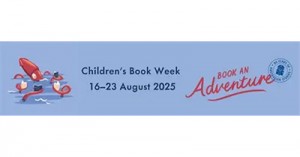
Children’s Book Week 2025 marks the 80th anniversary of this beloved national celebration, running from Saturday, 16 August, to Saturday, 23 August. Hosted by the Children’s Book Council of Australia (CBCA), this year’s theme—“Book an Adventure!”—explores the magic of storytelling through bold journeys, imaginative quests, and meaningful connections.
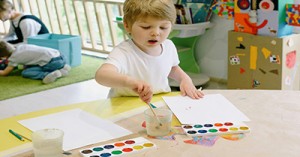
Here’s a curated set of 20 child-centered art activity instructions designed to foster creativity, autonomy, and exploration. Each activity includes setup tips, educator role guidance, and EYLF/NQS links.

Here’s a themed EYLF-aligned guide to 30 preschool science experiments, complete with materials, instructions, science concepts, and EYLF learning outcomes. This is designed for educators who want to embed intentionality, inquiry, and curriculum links into hands-on science.
 Open ended questions cannot be responded to with one word answers such as yes or no. These types of questions enables a child to provide… Read More
 During your child’s preschool years, an important milestone begins to emerge. This is the development of pre-writing skills. Pre-writing skills are used to encourage, develop… Read More
 An Acknowledgment of the Country is a way of showing respect for the Traditional Owners and can be given by both non-Indigenous people and Aboriginal… Read More
 Open ended materials enables children to play freely. They are objects that have no rules to follow, use or function. Raw materials that can be… Read More
 Language plays an important role in a child’s development. It enables a child to communicate effectively with their family, learn at school, socialize with friends,… Read More
 Like adults, children have to deal with their own stress in life. Moving house, starting a new school, preparing for a new sibling - these are… Read More
 Playdough is such a versatile material. It provides numerous benefits to children as they manipulate it, it is safe and soothing and provides children with… Read More
 Teaching children about sustainability enables them to appreciate and respect the natural environment. Early childhood services can provide meaningful hand on learning experiences in order… Read More
 Recycling is an important concept that teaches children to care for the environment. It encourages children to be responsible and show a growing appreciating for… Read More
 Incursions provide children with the opportunity to explore meaningful learning experiences in the comfort of their early childhood service. The following provides a directory of… Read More

Running records are written in present tense and recorded as the action is happening. It...
See more...
Creating a supportive environment where children feel safe to express their emotions is crucial for...
See more...
Quality Area 7 - Governance and Leadership enables services to achieve the best outcomes for...
See more...