



EYLF Outcome 1 Floorbook prompts for identity, belonging, autonomy, emotional well-being, and empathy. Includes child‑voice questions, educator reflections, group prompts, and page starters.
Outcome 1 of the EYLF focuses on identity: a child’s sense of belonging, autonomy, emotional safety, and connection to others. Floorbooks are a powerful way to capture this learning because they centre children’s voices, make thinking visible, and document identity as it unfolds in real time.

A clear, practical EYLF Outcome 1 cheat sheet for educators, with examples, observation wording, and strategies to document children’s identity, belonging, autonomy, emotional well-being, and respectful relationships across daily routines.
Outcome 1 is the foundation of early childhood learning; everything else grows from here. It focuses on children’s identity: how they see themselves, how safe and supported they feel, and how they relate to others. When children experience belonging, security, autonomy, emotional well-being, and respectful relationships, they develop the confidence and resilience needed for all future learning.
This cheat sheet gives educators a practical, easy‑to‑use guide to understanding, observing, and documenting Outcome 1 across everyday routines. With clear indicators, real-world examples, and ready‑to‑use documentation prompts, educators can capture meaningful learning without unnecessary paperwork.

Support toddler identity development through choices, routines, relationships, and play. Explore practical examples that build autonomy, belonging, and emotional confidence.
Toddlers develop a strong sense of identity through everyday choices, warm relationships, predictable routines, and meaningful play. When educators intentionally design experiences that honour children’s autonomy, culture, emotions, and social connections, toddlers begin to see themselves as capable, valued, and connected members of their community.
These experiences don’t need to be elaborate. In fact, identity is built most powerfully through repetition, belonging, and being truly seen.

Building secure, trusting relationships is the heart of early childhood education, and EYLF Outcome 1.1 places this at the centre of children’s learning and well-being. Before children can explore, communicate, or engage confidently with others, they must first feel safe, supported, and emotionally held within their environment.
Learn how to understand, support, and document EYLF Outcome 1.1 with clear examples, practical strategies, and observation wording that help educators build secure, trusting relationships in early childhood settings.

A child’s sense of identity is the foundation for all learning, relationships, and wellbeing. Outcome 1 of the EYLF Children have a strong sense of identity reminds us that when children feel safe, seen, and valued, they begin to explore who they are and how they belong. The following article translates the outcome into simplified language to support educators in recognising identity-building moments, responding with emotional intelligence, and documenting children’s growth in ways that are meaningful for families and respectful of each child’s unique story.

Helping children develop a strong sense of identity, confidence, and independence is essential for their overall well-being and future success. The following article provides information on Strategies To Support A Child's Strong Sense Of Identity, Confidence and Independence, Strategies Tailored To Different Age Groups, Real Life Examples Of Fostering Independence, What Is A Strong Sense Of Identity, Self-awareness In Identity Development, Self Awareness Skills For Toddlers and Preschoolers and Linking NQS and EYLF To A Strong Sense of Identity, Confidence, and Independence
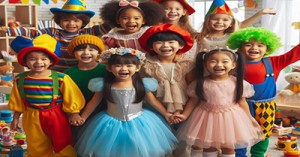
EYLF Outcome 1 focuses on children developing a strong sense of identity. It emphasizes the importance of children feeling safe, secure, and supported, which helps them grow in confidence to explore and learn. The following article provides information on the Definition Of Sub Outcomes, Practical Examples Of Sub Outcomes, Applying Sub Outcomes InTo Practice and more.

Achieving EYLF Outcome 1: Children have a strong sense of identity in the babies' room involves creating an environment where each child feels safe, secure, and supported. The following article provides information on Strategies To Achieve Outcome 1 With Babies, Goals For Babies To Acheive EYLF Outcome 1, Example Activities That Link With Outcome 1 For Babies, and more.
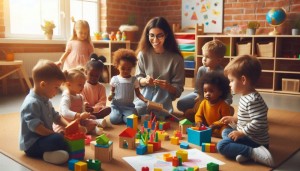
EYLF Learning Outcome 1 - Children Have A Strong Sense Of Identity focuses on children developing a strong sense of identity. The following article provides information on Key Learning Goals, Strategies To Support Learning Goals, Activities That Link To EYLF Learning Outcome 1, Lesson Plan Sample For EYLF Outcome 1 and more.
 Open ended questions cannot be responded to with one word answers such as yes or no. These types of questions enables a child to provide… Read More
 During your child’s preschool years, an important milestone begins to emerge. This is the development of pre-writing skills. Pre-writing skills are used to encourage, develop… Read More
 An Acknowledgment of the Country is a way of showing respect for the Traditional Owners and can be given by both non-Indigenous people and Aboriginal… Read More
 Open ended materials enables children to play freely. They are objects that have no rules to follow, use or function. Raw materials that can be… Read More
 Language plays an important role in a child’s development. It enables a child to communicate effectively with their family, learn at school, socialize with friends,… Read More
 Like adults, children have to deal with their own stress in life. Moving house, starting a new school, preparing for a new sibling - these are… Read More
 Playdough is such a versatile material. It provides numerous benefits to children as they manipulate it, it is safe and soothing and provides children with… Read More
 Teaching children about sustainability enables them to appreciate and respect the natural environment. Early childhood services can provide meaningful hand on learning experiences in order… Read More
 Recycling is an important concept that teaches children to care for the environment. It encourages children to be responsible and show a growing appreciating for… Read More
 Incursions provide children with the opportunity to explore meaningful learning experiences in the comfort of their early childhood service. The following provides a directory of… Read More

A: A narrative observation in childcare is a detailed, written account of a child's actions, interactions...
See more...
An Acknowledgment of the Country is a way of showing respect for the Traditional Owners...
See more...
With new child safety regulations having just come into effect, here’s a sector-responsive list of...
See more...