April is filled with cultural celebrations, awareness days, and playful observances. These programming ideas support educators in planning engaging experiences that connect children to community, diversity, and well-being, while linking to EYLF outcomes.
Month-Long Observances
Nature Play Week (11–22 April)
- Programming Ideas:
- Organize outdoor exploration walks and scavenger hunts.
- Build nature art collages using leaves, sticks, and stones.
- Encourage sensory play with mud kitchens or sand pits.
- EYLF Links:
- Outcome 2 – Community (connection to environment)
- Outcome 3 – Wellbeing (physical activity outdoors)
- Outcome 4 – Learning (exploration and inquiry)
Daily Events
2 April – World Autism Awareness Day & International Children’s Book Day
- Programming Ideas:
- “Go Blue” dress-up day with blue-themed crafts.
- Storytime featuring inclusive children’s books.
- Invite families to share favorite childhood stories.
- EYLF Links:
- Outcome 1 – Identity (respect for diversity),
- Outcome 5 – Communication (love of reading).
3 April – World Party Day & Good Friday
- Programming Ideas:
- Host a “Joy Circle” with music and dance.
- Reflective storytelling about Easter traditions.
- EYLF Links
- EYLF Links: Outcome 3—Wellbeing (joy and reflection)
- Outcome 2 – Community (shared celebrations)
4 April – World Stray Animals Day & International Carrot Day
- Programming Ideas:
- Role-play caring for pets in dramatic play.
- Cooking activity: carrot muffins or sticks with dip.
- EYLF Links
- EYLF Links: Outcome 2 – Community (caring for living things),
- Outcome 3 – Wellbeing (healthy eating).
5–6 April – Easter & Good Deeds Day
- Programming Ideas:
- Easter egg hunt with clues.
- “Kindness Tree," where children add leaves with good deeds.
- EYLF Links
- EYLF Links: Outcome 1 – Identity (cultural traditions)
- Outcome 2 – Community (acts of kindness)
7 April – World Health Day
- Programming Ideas:
- Healthy snack-making workshop.
- Yoga and breathing exercises for children.
- EYLF Links
- EYLF Links: Outcome 3 – Wellbeing (healthy practices).
12 April – International Day of Human Space Flight
- Programming Ideas:
- Space-themed sensory play with stars and planets.
- Storytime about Yuri Gagarin’s flight.
- EYLF Links
- Outcome 4 – Learning (science exploration).
15 April – International Day of Culture
- Programming Ideas:
- Cultural dress-up parade.
- Family showcase of food, music, or traditions.
- EYLF Links
- Outcome 1 – Identity (cultural pride)
- Outcome 2 – Community (diversity)
22 April – Earth Day
- Programming Ideas:
- Planting seeds in recycled containers.
- “Lights Out Hour” with shadow play.
- EYLF Links
- Outcome 2 – Community (environmental responsibility),
- Outcome 4 – Learning (sustainability).
25 April – ANZAC Day
- Programming Ideas:
- Poppy craft with red paper.
- Story circle about remembrance and peace.
- EYLF Links
- Outcome 2 – Community (respect for history).
29–30 April – International Dance Day & Jazz Day
- Programming Ideas:
- Dance workshop with scarves and ribbons.
- Listening to jazz music and drawing how it feels.
- EYLF Links
- Outcome 3 – Wellbeing (movement and joy)
Outcome 5 – Communication (expressive arts)
- Outcome 3 – Wellbeing (movement and joy)
April’s events provide rich opportunities to celebrate diversity, promote well-being, and foster creativity. By embedding these activities into programming, educators can create inclusive, joyful, and meaningful learning experiences for children.



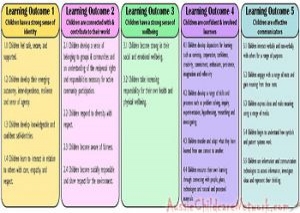 Here is the list of the EYLF Learning Outcomes that you can use as a guide or reference for your documentation and planning. The EYLF
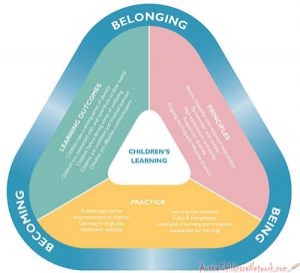 The EYLF is a guide which consists of Principles, Practices and 5 main Learning Outcomes along with each of their sub outcomes, based on identity,
 This is a guide on How to Write a Learning Story. It provides information on What Is A Learning Story, Writing A Learning Story, Sample
 One of the most important types of documentation methods that educators needs to be familiar with are “observations”. Observations are crucial for all early childhood
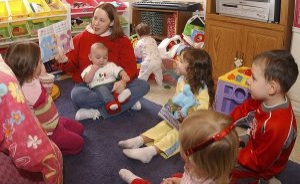 To support children achieve learning outcomes from the EYLF Framework, the following list gives educators examples of how to promote children's learning in each individual
 Reflective practice is learning from everyday situations and issues and concerns that arise which form part of our daily routine while working in an early
 When observing children, it's important that we use a range of different observation methods from running records, learning stories to photographs and work samples. Using
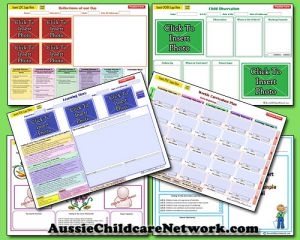 Within Australia, Programming and Planning is reflected and supported by the Early Years Learning Framework. Educators within early childhood settings, use the EYLF to guide
 This is a guide for educators on what to observe under each sub learning outcome from the EYLF Framework, when a child is engaged in
 The Early Years Learning Framework describes the curriculum as “all the interactions, experiences, activities, routines and events, planned and unplanned, that occur in an environment