



The following activity ideas are mapped to each event, offering educators practical ways to embed experiences that connect with the EYLF outcomes. With five suggestions per event, educators can select and adapt activities to suit their group’s interests, environment, and resources, ensuring programming remains engaging, inclusive, and purposeful throughout the month.

April is filled with cultural celebrations, awareness days, and playful observances. These programming ideas support educators in planning engaging experiences that connect children to community, diversity, and well-being, while linking to EYLF outcomes.

March offers a vibrant mix of cultural celebrations, awareness days, and playful observances. These programming ideas help educators embed inclusion, creativity, and wellbeing into daily routines while linking to EYLF Outcomes.

February is a month rich with opportunities to celebrate kindness, culture, science, and community. By weaving these events into programming, educators can inspire children’s curiosity, empathy, and creativity. Activities below connect to the EYLF Outcomes, encouraging identity, well-being, communication, and contribution to the world.

January offers a vibrant mix of cultural, playful, and reflective events that can inspire meaningful programming in early childhood settings. By weaving these celebrations into daily practice, educators can foster children’s curiosity, creativity, and sense of belonging. These activities provide opportunities to explore sustainability, inclusion, empathy, and cultural pride, values that align strongly with the EYLF.
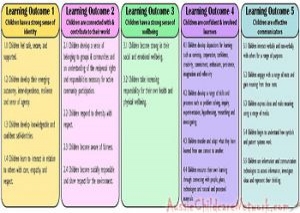 Here is the list of the EYLF Learning Outcomes that you can use as a guide or reference for your documentation and planning. The EYLF… Read More
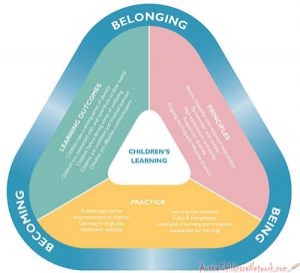 The EYLF is a guide which consists of Principles, Practices and 5 main Learning Outcomes along with each of their sub outcomes, based on identity,… Read More
 This is a guide on How to Write a Learning Story. It provides information on What Is A Learning Story, Writing A Learning Story, Sample… Read More
 One of the most important types of documentation methods that educators needs to be familiar with are “observations”. Observations are crucial for all early childhood… Read More
 To support children achieve learning outcomes from the EYLF Framework, the following list gives educators examples of how to promote children's learning in each individual… Read More
 Reflective practice is learning from everyday situations and issues and concerns that arise which form part of our daily routine while working in an early… Read More
 When observing children, it's important that we use a range of different observation methods from running records, learning stories to photographs and work samples. Using… Read More
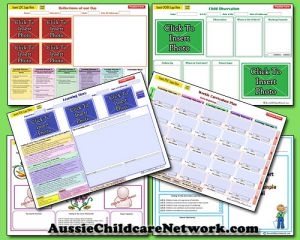 Within Australia, Programming and Planning is reflected and supported by the Early Years Learning Framework. Educators within early childhood settings, use the EYLF to guide… Read More
 This is a guide for educators on what to observe under each sub learning outcome from the EYLF Framework, when a child is engaged in… Read More
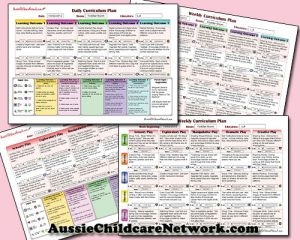 The Early Years Learning Framework describes the curriculum as “all the interactions, experiences, activities, routines and events, planned and unplanned, that occur in an environment… Read More

The following article provides information on How Much Sick Leave For Full-Time Employers, When Evidence Has...
See more...
Reconciliation in early childhood is not a one‑week event; it’s a daily practice. Embedding reconciliation...
See more...
When we talk about art areas in learning environments, we’re really looking at how spaces...
See more...