Reggio Emilia documentation is a cornerstone of the Reggio philosophy. It’s not just record-keeping—it’s a way of making children’s learning visible, meaningful, and valued.
What is Reggio Emilia Documentation?
- A process of observing, recording, and interpreting children’s learning journeys.
- Uses photos, transcripts of conversations, children’s work samples, and educator reflections.
- It functions as both a mirror (showing children their own growth) and a window (sharing learning with families and the wider community).
Purpose
- Make learning visible: Show the thinking, creativity, and problem-solving of children.
- Support reflection: Helps educators analyze teaching practices and children’s progress.
- Strengthen relationships: Builds connections between children, educators, and families.
- Advocate for children’s rights: Positions children as capable, curious, and active participants in their learning.
What Makes It Special
- Democratic and collaborative: Involves children, families, and the community.
- Narrative-driven: Captures the story of learning, not just outcomes.
- Cultural and contextual: Reflects the values and identity of the community.
- Dynamic: Documentation evolves with children’s interests and projects.
How to Do It
- Observe closely—listen to children’s words, watch their actions.
- Collect evidence—photos, videos, drawings, and transcripts.
- Interpret meaning—ask, "What does this tell us about the child’s thinking?"
- Display and share – create panels, journals, or digital portfolios.
- Reflect and revisit – use documentation to plan next steps and extend learning.
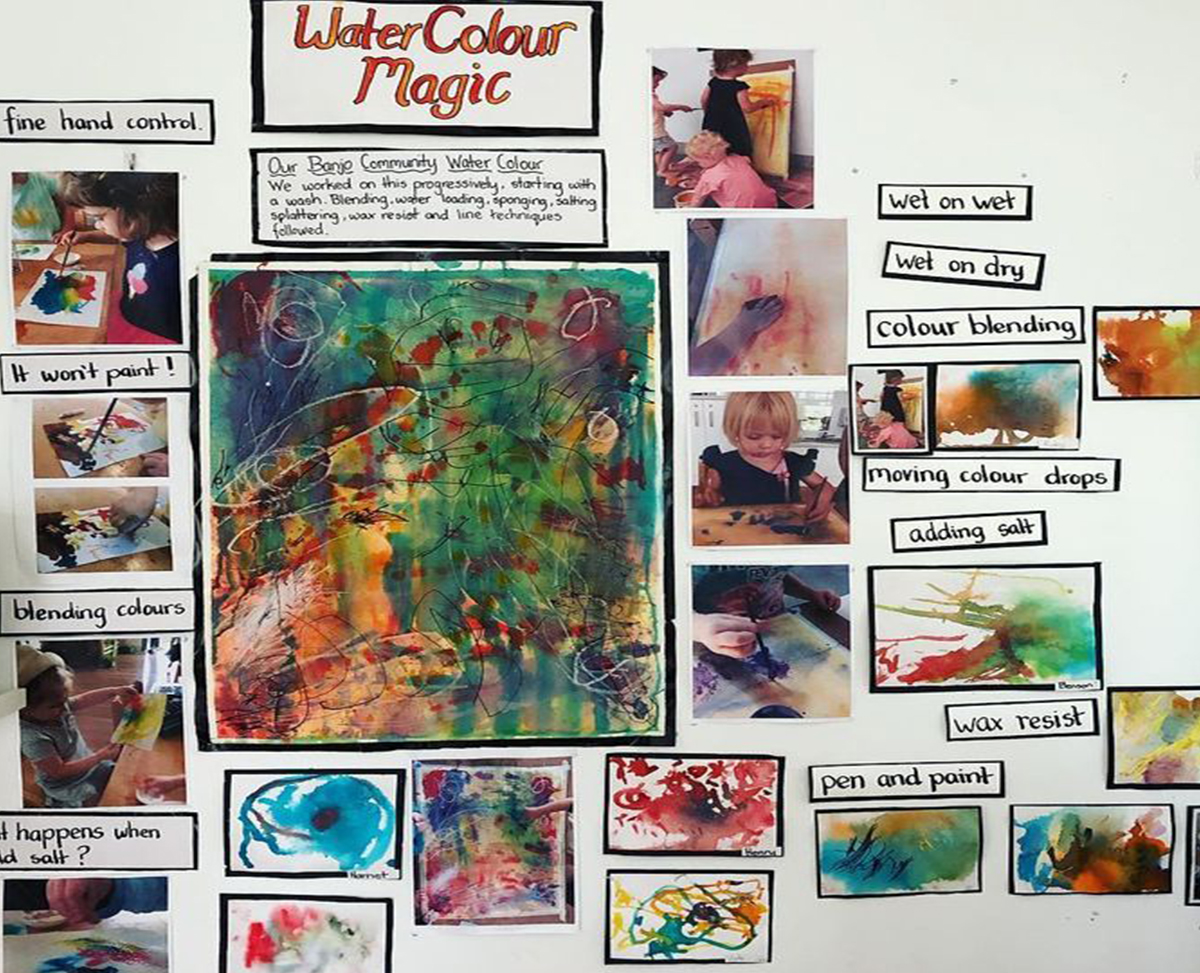
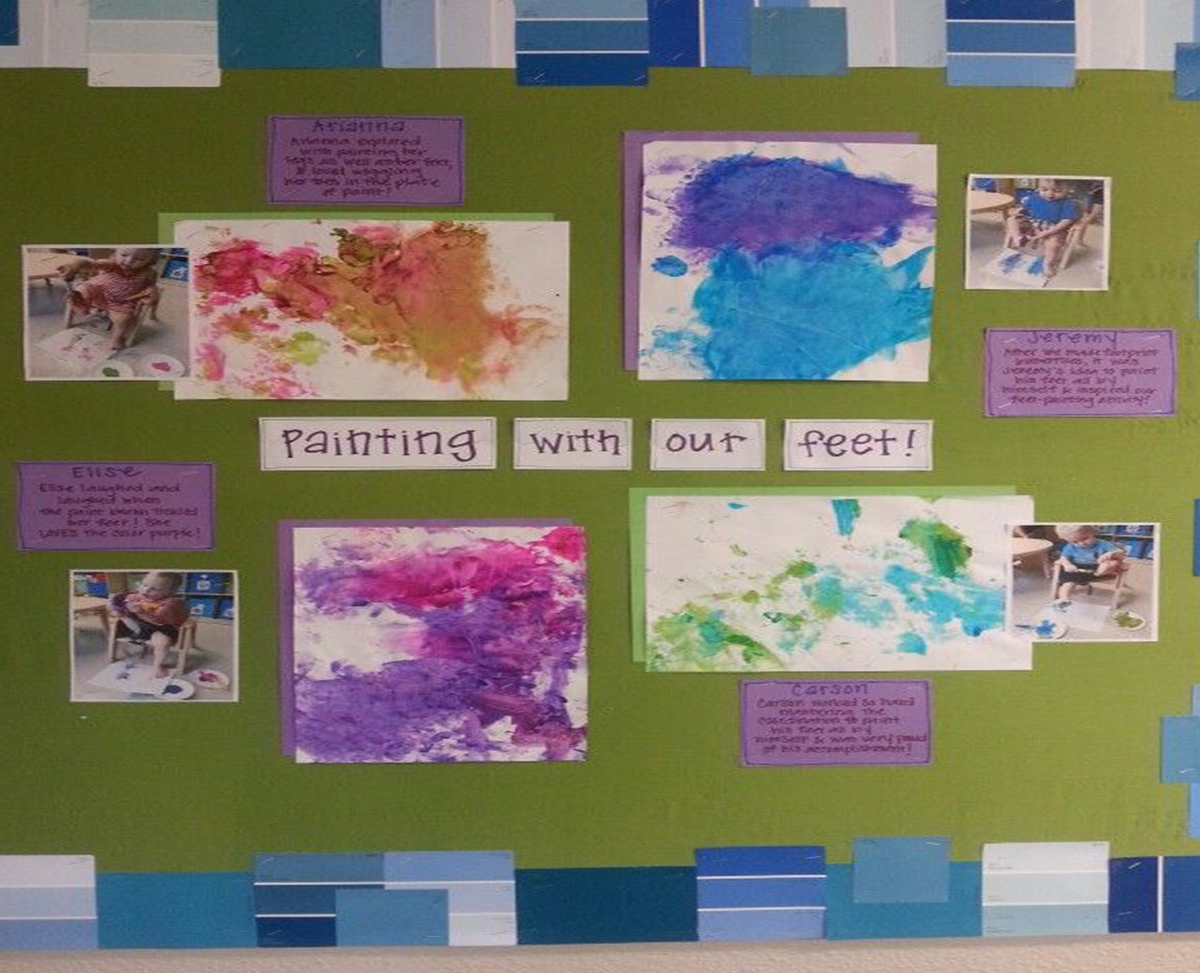
Photo Ideas
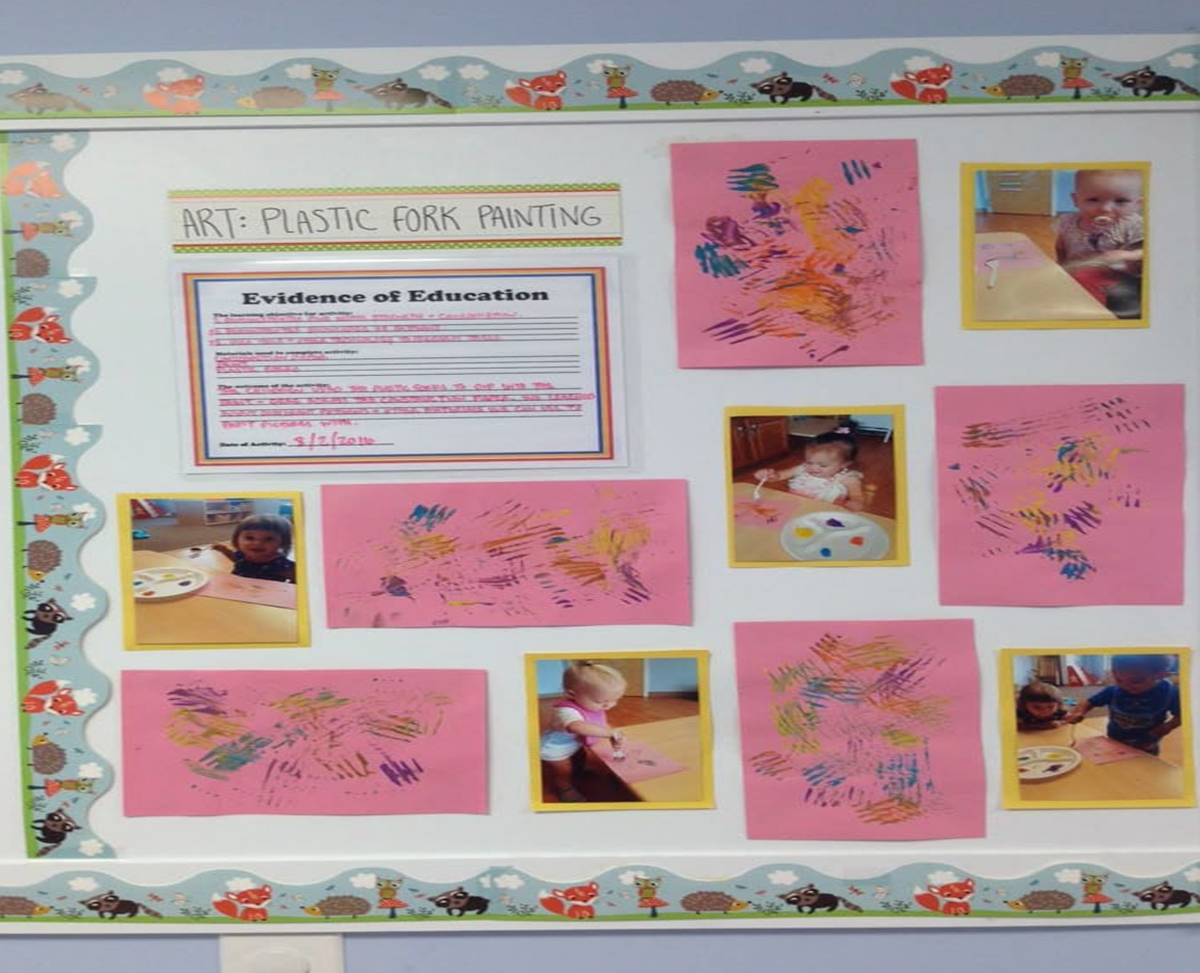
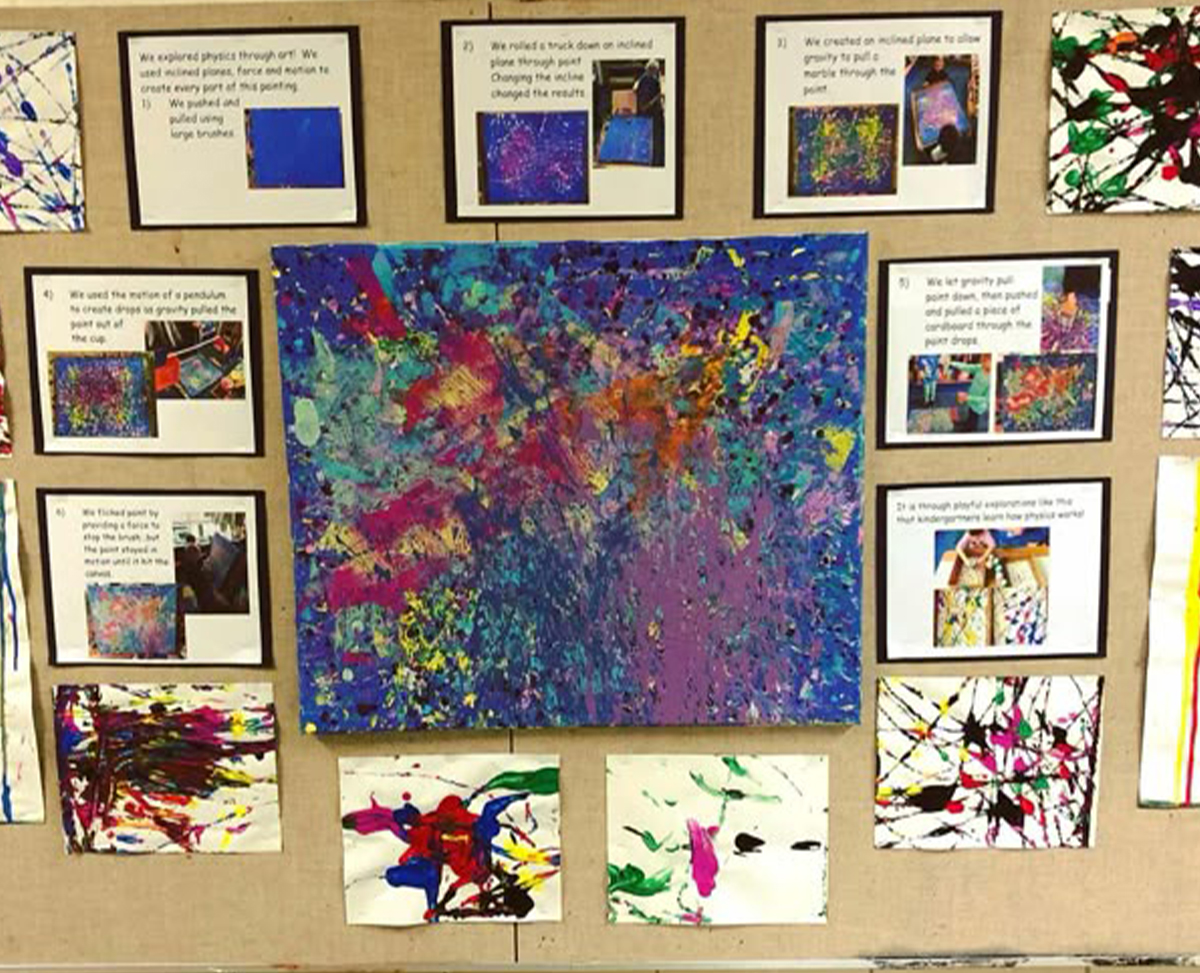
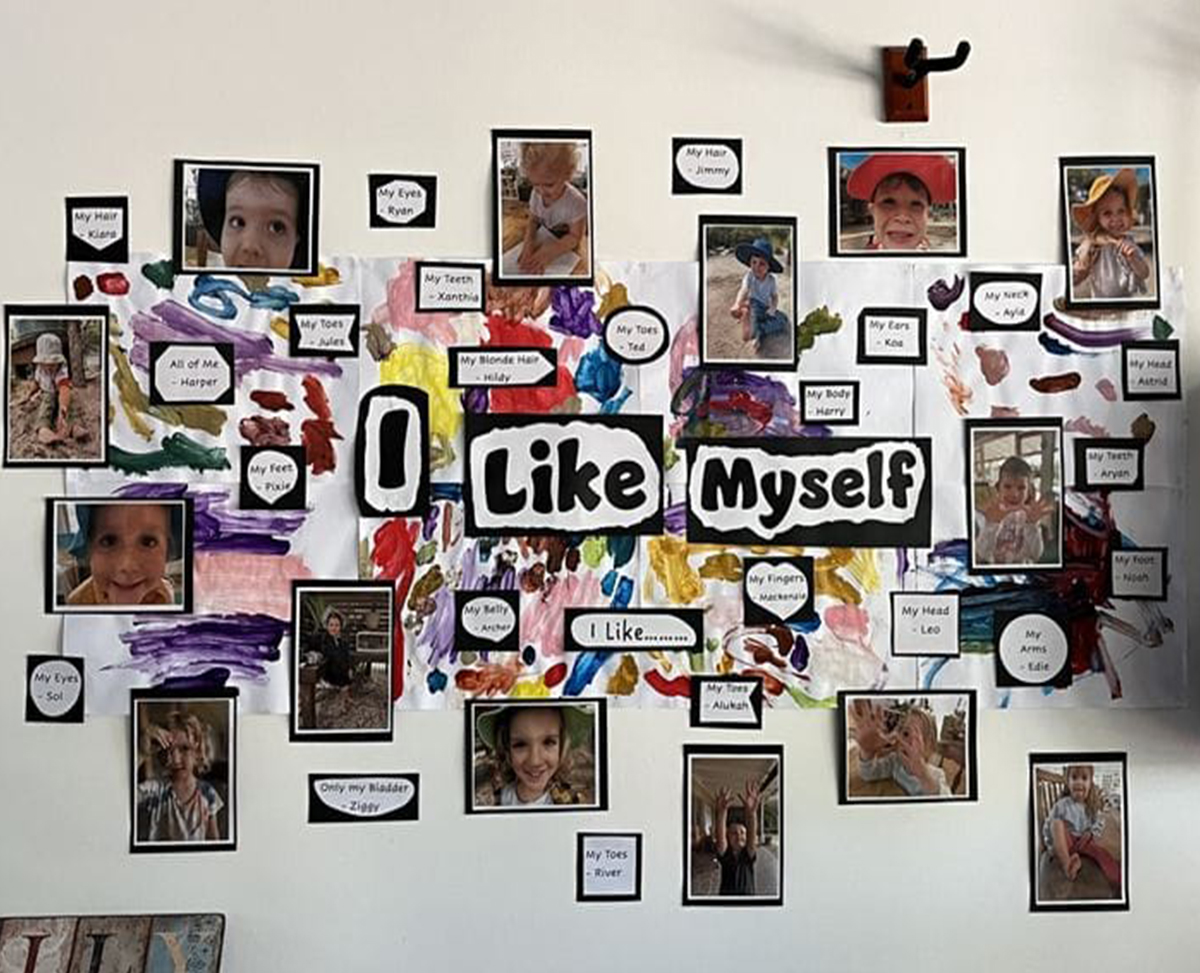
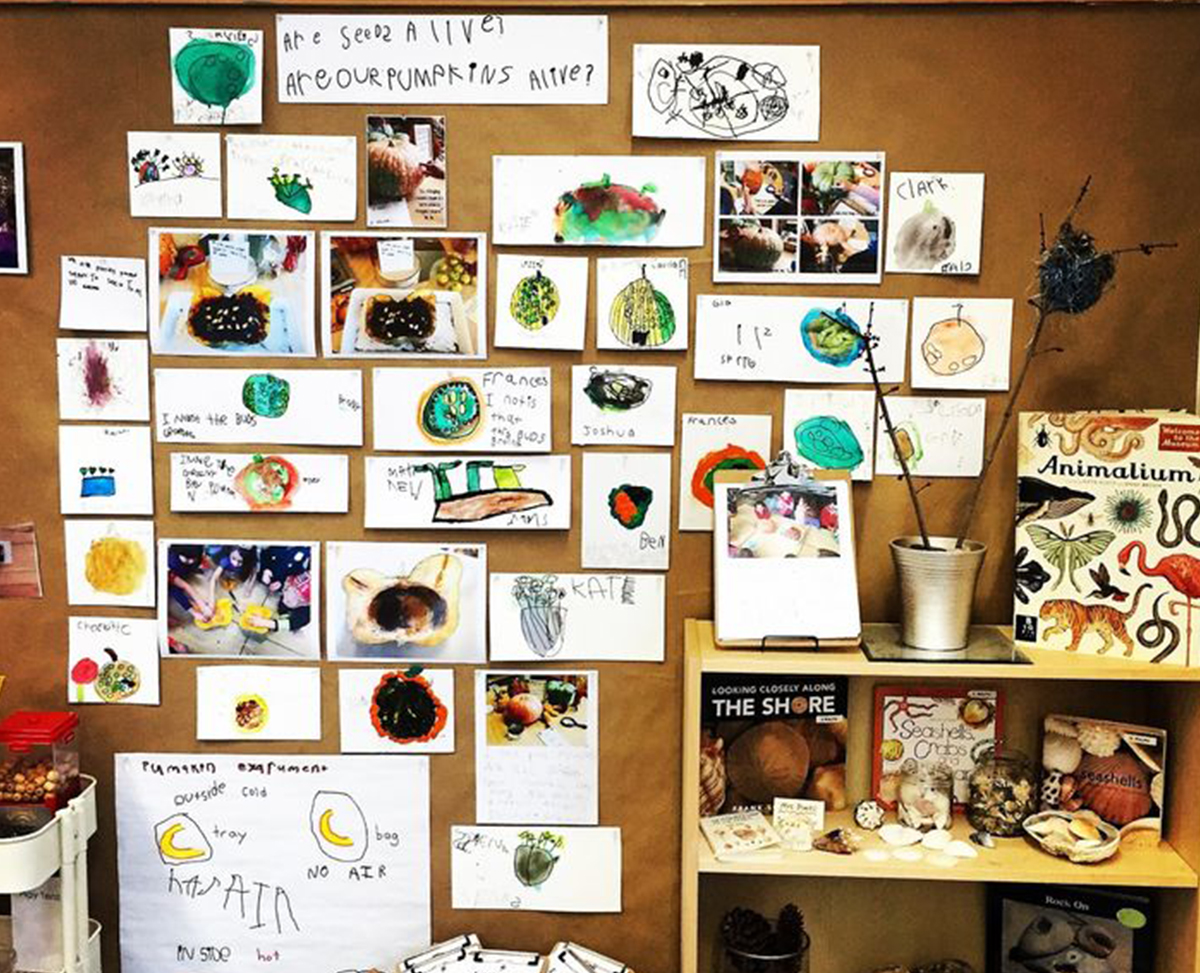
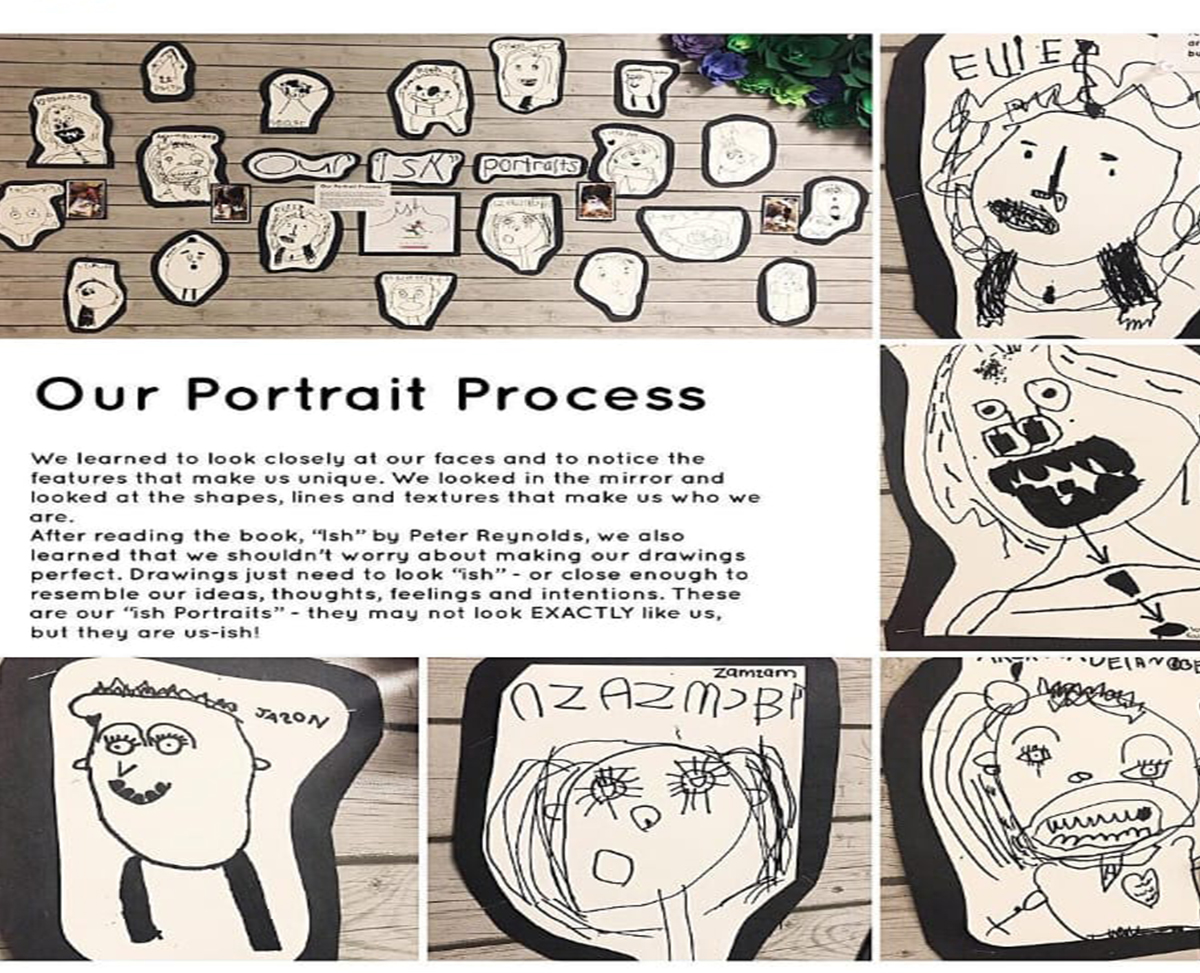
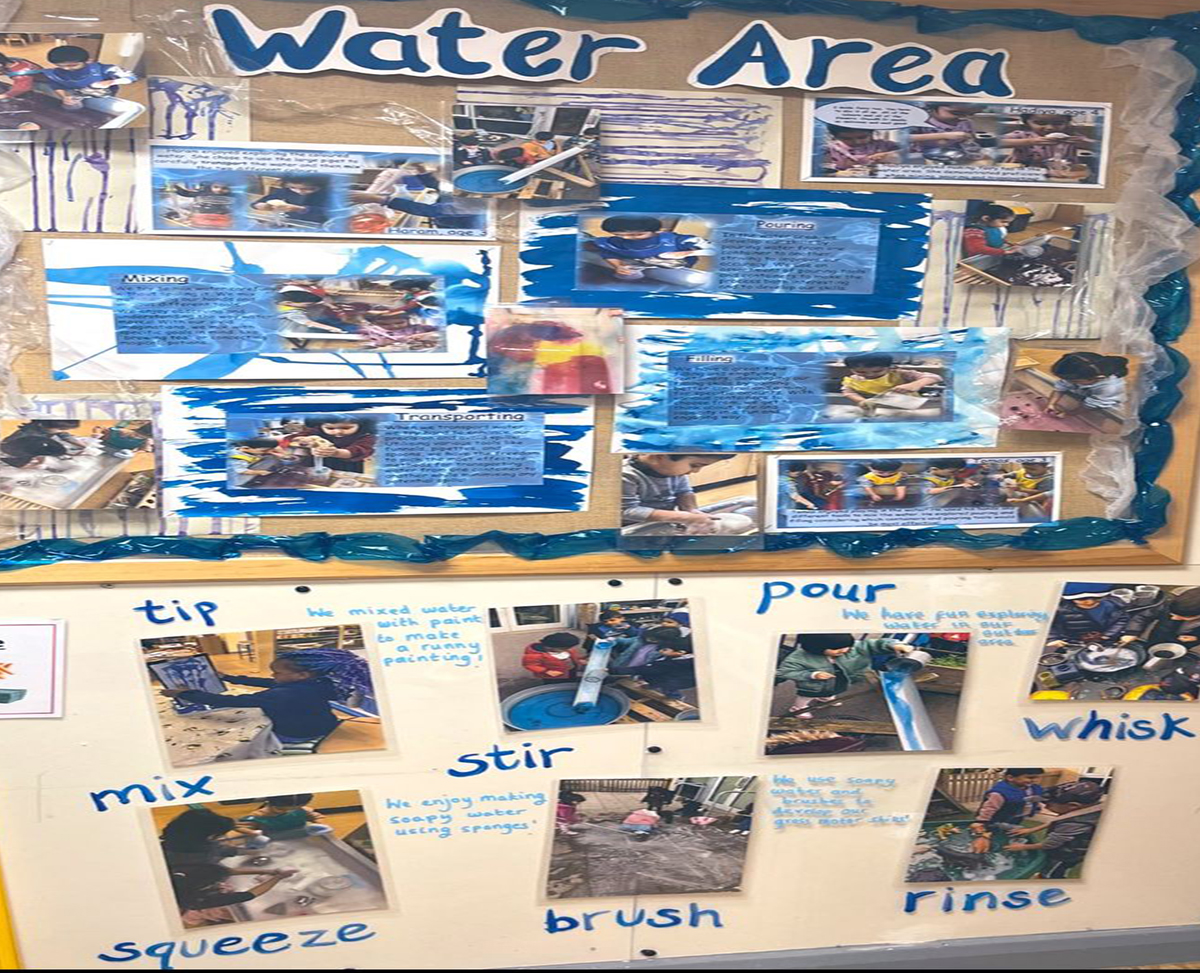
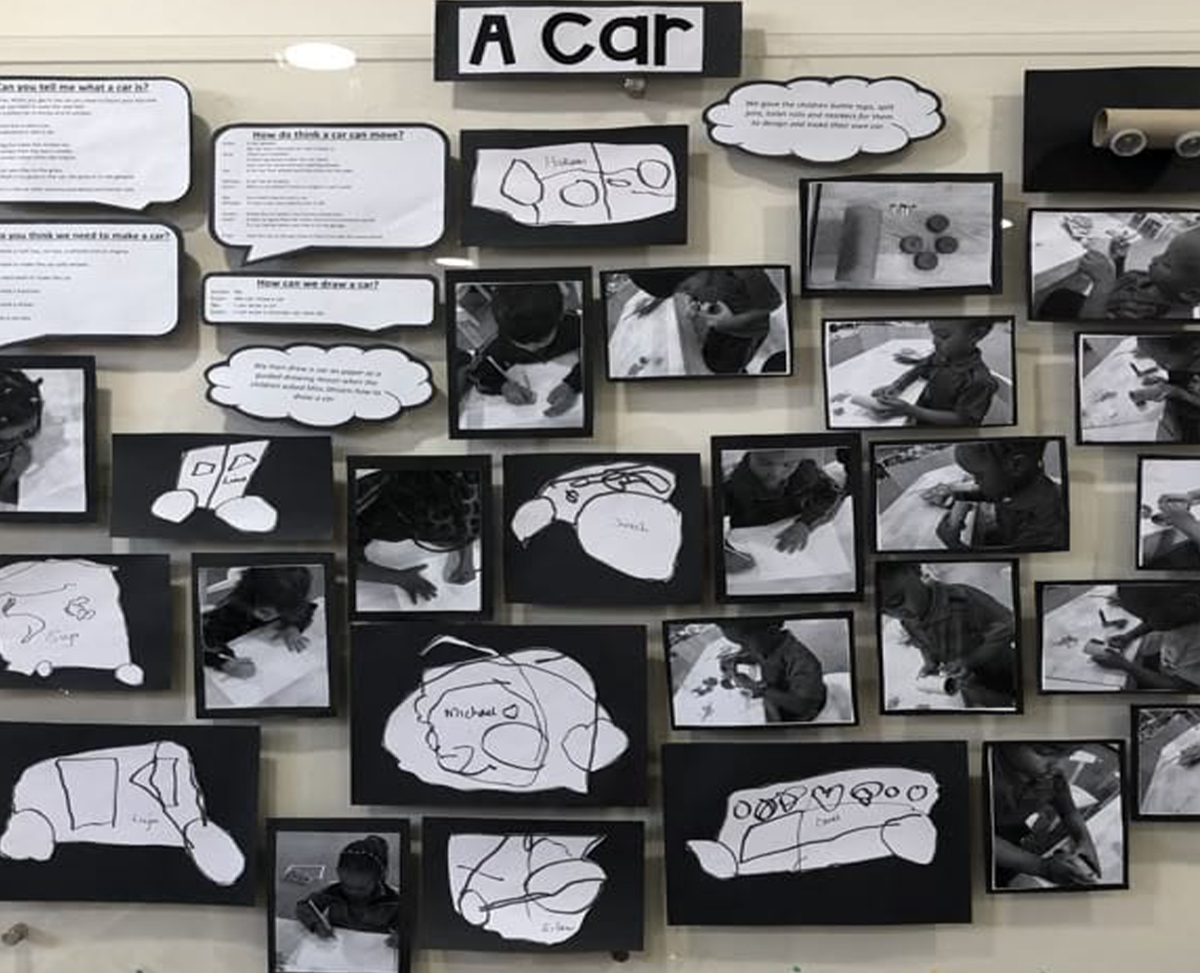
Linking to the EYLF (Early Years Learning Framework)
- Outcome 1: Children have a strong sense of identity → documentation shows belonging and self-expression.
- Outcome 2: Children are connected with and contribute to their world → highlights collaboration and community.
- Outcome 3: Children have a strong sense of wellbeing → captures resilience and emotional growth.
- Outcome 4: Children are confident and involved learners → traces problem-solving and inquiry.
- Outcome 5: Children are effective communicators → records language, storytelling, and symbolic play.
Practical Tips
- Keep it authentic: Focus on children’s voices, not polished displays.
- Use short notes and photos daily instead of long reports.
- Involve children: let them choose what to document or narrate in their own work.
- Rotate focus: not every child needs documentation every day.
- Balance digital and physical formats: portfolios, wall panels, or online journals.
- Reflect as a team: use documentation in staff meetings to align practice.
Guide for Educators
- Start small: one photo + one quote can be powerful.
- Ask reflective questions: “What surprised me today?” “What did the child discover?”
- Think audience: documentation should speak to children, families, and colleagues.
- Celebrate process, not product: highlight the journey of learning.
- Connect theory to practice: link observations to EYLF outcomes and Reggio principles.
- Use documentation as advocacy: show families and policymakers the richness of play-based learning.
Image References:
Image 1 - My Teaching Cupboard, Pinterest
Image 2 - Emily Foster, Pinterest
Image 3 - Rainbow Child Care Centre, Pinterest
Image 4 - Bianca Spainhour, Pinterest
Image 5 - PNB, Pinterest, Pinterest
Image 6 - Mary Vickers, Pinterest
Image 7 - Passionately Curious Educators, Pinterest
Image 8 - No Name, Pinterest
Image 9 - Emily Dyer, Pinterest
Image 10 - Shivani Shah, Pinterest
Further Reading
Guide To The Reggio Emilia Approach
Mark-Making: The Reggio Emilia Approach
100 Languages of Children
References
Reggio-Inspired
Early Childhood Ireland
UWA Profiles and Research Repository


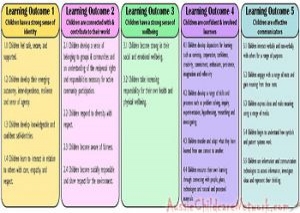 Here is the list of the EYLF Learning Outcomes that you can use as a guide or reference for your documentation and planning. The EYLF
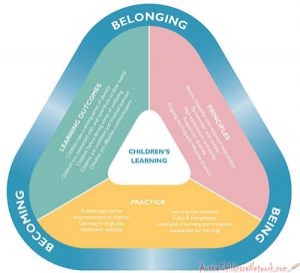 The EYLF is a guide which consists of Principles, Practices and 5 main Learning Outcomes along with each of their sub outcomes, based on identity,
 This is a guide on How to Write a Learning Story. It provides information on What Is A Learning Story, Writing A Learning Story, Sample
 One of the most important types of documentation methods that educators needs to be familiar with are “observations”. Observations are crucial for all early childhood
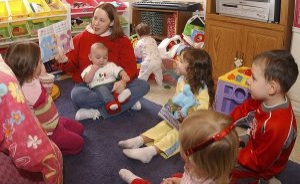 To support children achieve learning outcomes from the EYLF Framework, the following list gives educators examples of how to promote children's learning in each individual
 Reflective practice is learning from everyday situations and issues and concerns that arise which form part of our daily routine while working in an early
 When observing children, it's important that we use a range of different observation methods from running records, learning stories to photographs and work samples. Using
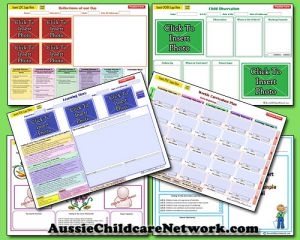 Within Australia, Programming and Planning is reflected and supported by the Early Years Learning Framework. Educators within early childhood settings, use the EYLF to guide
 This is a guide for educators on what to observe under each sub learning outcome from the EYLF Framework, when a child is engaged in
 The Early Years Learning Framework describes the curriculum as “all the interactions, experiences, activities, routines and events, planned and unplanned, that occur in an environment