In early childhood education, the most powerful learning often happens through the simplest tasks. Practical Life activities—those everyday routines like pouring water, buttoning a shirt, or sweeping the floor—are more than just chores. They are foundational experiences that nurture independence, concentration, and confidence in young learners.
What Are Practical Life Activities?
Practical Life activities are everyday routines and tasks that children observe adults performing—pouring water, sweeping floors, buttoning clothes, or setting a table. Rooted in the Montessori approach, these activities are not just chores; they are purposeful learning experiences that help children build independence, confidence, and essential life skills.
Maria Montessori explained, "Adults work to finish a task, but the child works in order to grow and is working to create the adult, the person that is to be.”
Pedagogical Foundation
-
Montessori Philosophy: Practical Life activities are central to Montessori pedagogy, emphasizing independence, order, concentration, and coordination.
-
Learning by Doing: Children engage in real tasks with child-sized tools, fostering active participation rather than passive observation.
-
Holistic Development: These activities nurture physical, emotional, and social growth, preparing children for academic learning by strengthening fine motor skills, focus, and self-regulation.
-
Cultural Relevance: Activities should reflect the child’s cultural context—what is meaningful in one community (e.g., gardening, food preparation) may differ in another.
Benefits for Children
-
Independence: Children learn to care for themselves and their environment.
-
Motor Skills: Pouring, folding, and polishing strengthen fine and gross motor control.
-
Concentration: Repetitive, purposeful tasks build sustained attention.
-
Social Skills: Grace and courtesy activities teach manners, empathy, and cooperation.
-
Confidence: Mastery of real-life tasks gives children a sense of accomplishment.
How to Set Up Practical Life Activities
1. Environment Preparation
-
Provide child-sized tools (small brooms, pitchers, cloths, dressing frames).
-
Organize materials neatly on low shelves for easy access.
-
Ensure activities are safe, culturally relevant, and age-appropriate.
2. Activity Areas
-
Care of Self: Dressing frames, handwashing stations, shoe polishing kits.
-
Care of Environment: Dusting, sweeping, watering plants, sorting laundry.
-
Grace & Courtesy: Role-play greetings, table manners, sharing food.
-
Movement & Fine Motor: Pouring, transferring, threading, cutting, peeling fruits.
3. Presentation
-
Demonstrate slowly and clearly, using minimal words.
-
Allow children to repeat the activity independently.
- Encourage responsibility by involving them in daily routines.
4. Observation & Reflection
-
Watch how children engage—do they show concentration, joy, or frustration?
-
Adjust activities to meet developmental needs.
-
Document progress for curriculum planning and family communication.
Examples of Practical Life Activities
Caring for the Self
- Changing Shoes,
- Putting on slippers
- Dressing frames:-Zip, Velcro, Buttons, Press Studs, Hook & Eye, Buckling, Bow Tying, Lacing
- Polishing Shoes
- Folding Clothes
- Care of Teeth, Nails, Hair
- Hand washing
- Washing hands/face
- Washing hair
- Blowing nose and properly throwing away the tissue
- Sneezing
- Brushing teeth
- Combing hair
- Trimming fingernails
- Running water in the bath
- Hanging up towels after use
- Dressing oneself (including learning how to button, zip, snap, tie, buckle, Velcro)
- Hanging a jacket on a low hook
- Putting clean clothes in a drawer
Caring for the Environment
- Dusting,
- Sweeping,
- Polishing,
- Tidying
- Use of Clothes Pegs,
- Washing up
- Scrubbing of Tables, Floor,
- Care of Garden,
- Picking fruit/vegetables from the garden
- Care of Indoor plants,
- Planting Seeds
- Care of Pets
- Wringing a wet cloth
- Washing a table or countertop
- Sweeping the floor with a broom and dustpan
- Mopping, using a vacuum on the floor
- Polishing silver, brassand/or wood furniture
- Sorting laundry by colour and matching socks
- Folding napkins
- Ironing handkerchiefs or pillowcases
- Sewing on buttons
- Washing dishes
- Watering and caring for houseplants
- Flower arranging
- Caring for pets
- Cleaning up spills
- Putting materials and toys away
- Sorting recycling materials
- Grace and Courtesy
- Greeting People,
- Interrupting with ‘Excuse Me’
- Coping with an offence
- Conduct with a visitor
- Speaking to a Group
- Behaviour on Outings,
- Apologising
- Waiting turns
- Table Manners and Use of Eating Utensils
- Serving and Sharing Foods
- How to greet someone
- How to answer the telephone
- How to get up from the table
- How to carry a chair properly
- How to open and shut a door quietly
- How to interrupt when necessary
- How to excuse oneself when passing or bumping into another
- How to hand someone something
- Table manners
- Carrying objects without dropping or spilling
- Walking without bumping objects or people
Movement of Objects
- Development of Fine Motor Skills –pouring, transferring
- Opening & Closing
- Threading,
- Cutting, Sewing, Folding
- Walking on the line
- Playing the Silence Game
- Pouring and transferring liquids and dry ingredients without spilling
- Using scissors
- Opening and closing lids
- Screwing and unscrewing jar lids
- Stirring
- Measuring liquid and dry ingredients
- Peeling fruits and vegetables
- Using kitchen tools (fork, spoon, grater, blunt knife, ice cream scoop, bulb baster, peeler, chopping board, rolling pin, whisk, pitcher, cookie cutters, melon baller, apple corer, etc.)
- Spreading (like butter, peanut butter, a mixture
Photo Ideas


*These experiences listed above are just some of the examples that can be incorporated into the curriculum. You should also remember that the practical life activities are cultural and specific to the child's time and place.
Practical Life activities are not “extra tasks”—they are foundational curriculum experiences. By embedding them into daily routines, educators empower children to become capable, confident, and caring individuals.
References:
Montessori Practical Life Curriculum
An Introduction to Practical Life, Montessori Guide
Image References:
Image 1—Munchkins and Moms, Pinterest
Image 2 – Praktisch Leben, Pinterest
Image 3 – No Name, Pinterest
Image 4 – No Name, Pinterest
Image 5—Montessori Materials and Classroom Supplies | Kid Advance, Pinterest
Image 6—No Name, Pinterest
Image 7—Rockabye Butterfly: Tray Work, Pinterest
Image 8—Næv Randhawa, Pinterest
Image 9 - Baraa Almatary, Pinterest




 Open ended questions cannot be responded to with one word answers such as yes or no. These types of questions enables a child to provide
 During your child’s preschool years, an important milestone begins to emerge. This is the development of pre-writing skills. Pre-writing skills are used to encourage, develop
 An Acknowledgment of the Country is a way of showing respect for the Traditional Owners and can be given by both non-Indigenous people and Aboriginal
 Open ended materials enables children to play freely. They are objects that have no rules to follow, use or function. Raw materials that can be
 Language plays an important role in a child’s development. It enables a child to communicate effectively with their family, learn at school, socialize with friends,
 Like adults, children have to deal with their own stress in life. Moving house, starting a new school, preparing for a new sibling - these are
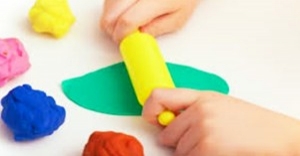 Playdough is such a versatile material. It provides numerous benefits to children as they manipulate it, it is safe and soothing and provides children with
 Teaching children about sustainability enables them to appreciate and respect the natural environment. Early childhood services can provide meaningful hand on learning experiences in order
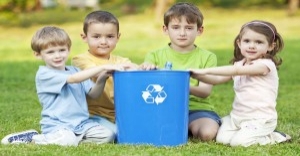 Recycling is an important concept that teaches children to care for the environment. It encourages children to be responsible and show a growing appreciating for
 Incursions provide children with the opportunity to explore meaningful learning experiences in the comfort of their early childhood service. The following provides a directory of