Creating Aboriginal and Torres Strait Islander displays in early childhood education (ECE) settings is about more than decoration—it’s about embedding cultural respect, identity, and belonging into the learning environment. Here are some practical and meaningful approaches.
Key Principles
- Authenticity: Use genuine cultural resources, artworks, and stories created or approved by Aboriginal and Torres Strait Islander peoples.
- Respect & Consultation: Engage with local Elders, community members, or cultural organizations to ensure displays are accurate and respectful.
- Integration: Displays should connect to everyday learning, not just “special occasions.”
Display Ideas
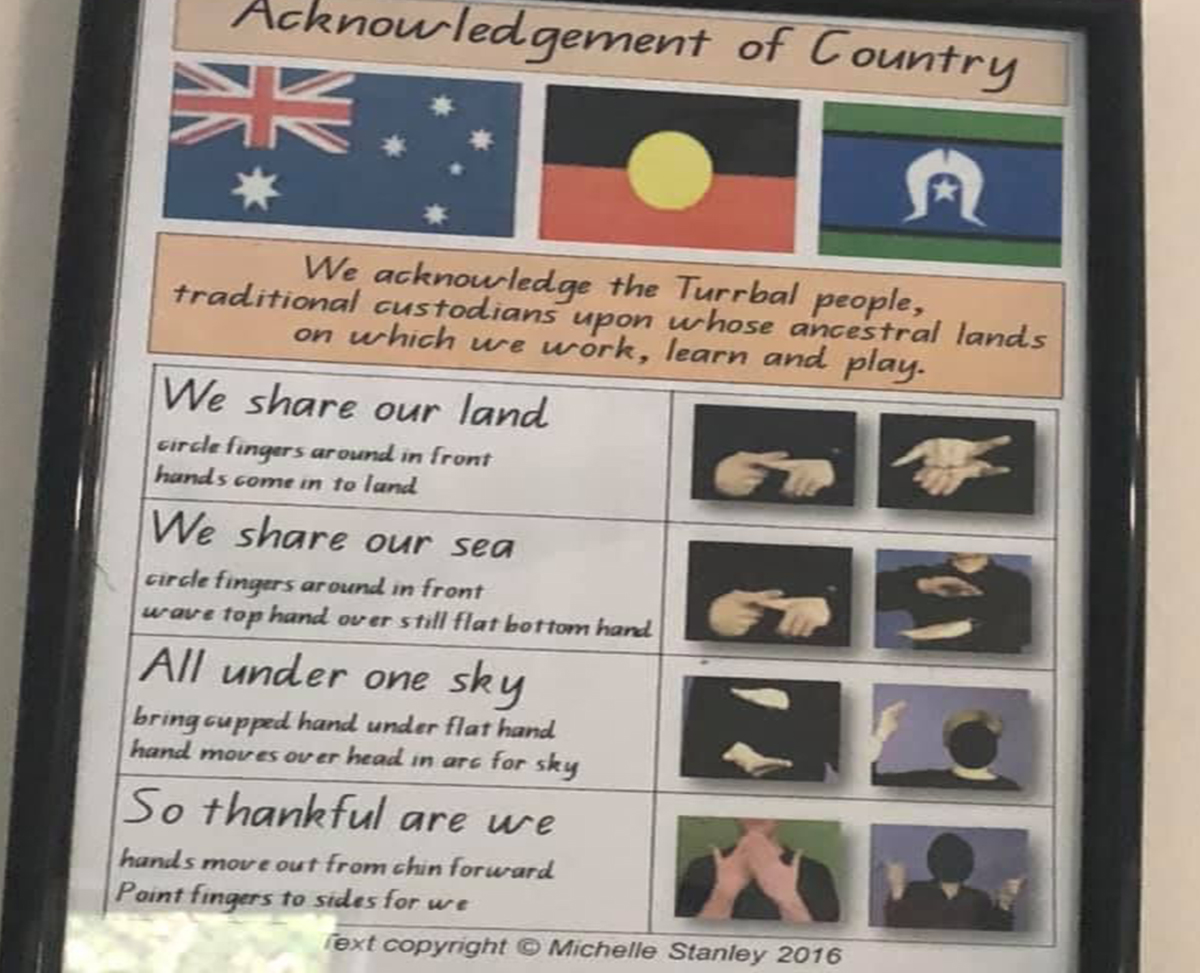
- Acknowledgement of Country: A child-friendly poster or artwork that acknowledges the Traditional Custodians of the land.
- Language Boards: Incorporate local Aboriginal and Torres Strait Islander words for everyday items (e.g., animals, weather, greetings).
- Art & Symbols: Showcase traditional art styles, weaving, dot painting, or Torres Strait Islander motifs like the dhari (headdress).
- Maps & Country Connections: Visual maps showing language groups across Australia or a local map highlighting the Country your service is on.
- Seasonal Calendars: Many Aboriginal groups have seasonal calendars different from Western four-season models—these can be displayed and linked to nature play.
- Children’s Contributions: Invite children to create artworks inspired by stories or cultural practices shared by community members.
Photo Ideas




Considerations
- Avoid tokenism (e.g., only displaying Aboriginal art during NAIDOC Week).
- Ensure displays are living and evolving, not static posters.
- Always credit artists and cultural sources.
- Be mindful of sacred or restricted imagery—consult before use.
Image Credits:
Image 1 - Emerald WOL, Pinterest
Image 2 - Emerald WOL, Pinterest
Image 3 - Jannat Ferdous, Pinterest
Image 4 - Thrive Early Learning Pyrmont, Pinterest
Image 5 - Gypsey Diva, Pinterest
Image 6 - Gypsey Diva, Pinterest
Image 7 - PNB, Pinterest
Image 8 - Jenny Hemley, Pinterest
Image 9 - Rhonda Clark, Pinterest
Image 10 - Hunter Early Childhood Centre, Pinterest
Further Reading
Connecting With Local ATSI Communities For Support
Importance Of Embedding ATSI Perspectives And Pedagogies
Outdoor Experiences in Sustainability and Aboriginal Culture
Practical Steps For Including Aboriginal and Torres Strait Islander




 The Children’s Services Award introduces a streamlined classification system and updated pay rates designed to better recognise the skills, qualifications, and responsibilities of early childhood
 The Children’s Services Award has 8 clear levels. These levels make it easier to understand where you fit, based on your experience, qualifications, and responsibilities.
 When working as a qualified early childhood teacher (with a university degree) within a service, your rate of pay will come from the Educational Services
 Diploma-qualified educators play a vital role in early childhood services, taking on responsibilities that range from supporting children’s learning and development to leading rooms and
 Certificate III qualified educators form the backbone of early childhood services, providing essential care and learning support for children across all settings. Their wages under
 Early Childhood Teachers (ECTs) play a vital role in leading curriculum and pedagogy in early learning settings. Regulation 272 of the Education and Care Services
 Discover how school readiness programs support children’s independence, confidence, and skills for a successful transition into primary school.
 When an Educator is not performing their tasks or responsibilities at best practice, these issues need to be addressed for the Educator to understand where
 Educators can maximise tax deductions by claiming classroom supplies, training, union fees, and home office costs this financial year.
 A staff appraisal is a formal, systematic process of determining and reviewing the performance of early childhood educators over a period of time, usually a