March offers a vibrant mix of cultural celebrations, awareness days, and playful observances. These programming ideas help educators embed inclusion, creativity, and wellbeing into daily routines while linking to EYLF Outcomes.
Month-Long Observances
Australian Women’s History Month
Honoring the achievements and contributions of women across Australia.
-
Programming Ideas:
-
Create a “Wall of Inspiration” featuring photos or drawings of notable Australian women.
-
Invite families to share stories of women in their own lives who inspire them.
-
Role-play activities where children act out professions traditionally held by women.
-
-
EYLF Links:
-
Outcome 1 – Identity: Children develop a strong sense of identity by learning about diverse role models.
-
Outcome 2 – Community: Builds respect for contributions of women in society.
-
Outcome 5 – Communication: Encourages storytelling and sharing experiences.
-
Adopt a Pet Month
Encouraging families to provide loving homes for animals in need.
-
Programming Ideas:
-
Set up a dramatic play “Pet Adoption Centre” with stuffed animals, adoption forms, and care routines.
-
Discuss animal care responsibilities and empathy through picture books.
-
Invite a local vet or animal shelter representative for a visit.
-
-
EYLF Links:
-
Outcome 2 – Community: Children learn about caring for living things and community responsibility.
-
Outcome 3—Wellbeing: Promotes empathy and emotional wellbeing through nurturing play.
-
Outcome 4 – Learning: Builds problem-solving skills through role play and discussions.
-
Daily Events
1st March (Sunday)
World Compliment Day
Celebrating kindness and positive communication.
-
Programming Ideas:
-
Compliment Chain: Children sit in a circle and pass a “compliment ball” (soft toy). Each child gives a compliment to the next before passing it on.
-
Compliment Cards: Provide pre-cut paper hearts or stars for children to write or draw compliments for peers and educators. Display them on a “Wall of Kindness.”
-
Mirror Messages: Place mirrors around the room with sticky notes saying “You are creative,” “You are kind,” etc. Invite children to add their own positive notes.
-
Role Play: Act out scenarios where giving compliments builds friendships and confidence.
-
Art Activity: Children create posters with positive words and images to decorate the classroom.
-
-
EYLF Links:
-
Outcome 1 – Identity: Builds self-esteem and a strong sense of self through positive recognition.
-
Outcome 2 – Community: Encourages respect, empathy, and supportive relationships.
-
Outcome 3 – Wellbeing: Promotes emotional wellbeing through kindness and affirmation.
-
Outcome 5 – Communication: Strengthens verbal and non-verbal communication skills by expressing compliments.
-
2nd March
Dr Seuss Day
A celebration of the beloved author’s whimsical stories, encouraging children to enjoy reading and imagination.
- Programming Ideas:
- Story Parade: Children dress up as their favourite Dr Seuss characters and share why they chose them.
- Rhyme Time: Create a rhyming wall where children add silly rhymes inspired by Dr Seuss.
- Green Eggs and Ham Cooking Activity: Make a simple snack (e.g., scrambled eggs with spinach) to connect food with story.
- Creative Art: “Cat in the Hat” hat-making craft with red and white stripes.
- EYLF Links:
- Outcome 5 – Communication: Builds literacy through rhymes, storytelling, and reading.
- Outcome 1 – Identity: Encourages self-expression through character choice.
- Outcome 4 – Learning: Supports creativity and problem-solving through imaginative play.
Clean Up Australia Day
A nationwide initiative inspiring communities to care for the environment by reducing litter and protecting natural spaces.
- Programming Ideas:
- Mini Clean-Up: Organise a safe clean-up of the centre’s outdoor area, with gloves and child-sized tongs.
- Sorting Game: Children sort recyclable items into bins (paper, plastic, compost).
- Art from Waste: Create collages or sculptures using clean recycled materials.
- Story Circle: Read books about caring for the Earth and discuss how children can help.
- EYLF Links:
- Outcome 2 – Community: Builds responsibility and respect for the environment.
- Outcome 3 – Wellbeing: Promotes safe practices and healthy environments.
- Outcome 4 – Learning: Encourages inquiry and problem-solving through recycling and sustainability activities.
2nd – 10th March
National Sea Week
A week dedicated to marine conservation and ocean awareness.
-
Programming Ideas:
- Ocean Diorama: Children create shoebox dioramas of marine habitats using craft materials.
- Sensory Play: Set up a “mini ocean” sensory tub with shells, toy fish, and blue water beads.
- Storytime: Read books about sea creatures and discuss how to protect them.
- Science Experiment: Explore floating and sinking objects to understand buoyancy.
- Community Connection: Invite a local marine conservation group to share resources or photos.
-
EYLF Links:
- Outcome 2 – Community: Builds respect for the environment and living creatures.
- Outcome 3 – Wellbeing: Promotes safe and healthy practices around water.
- Outcome 4 – Learning: Encourages inquiry and scientific exploration.
- Outcome 5 – Communication: Strengthens vocabulary through marine-themed discussions.
3rd March
World Wildlife Day
Celebrating the beauty and importance of wildlife while raising awareness about conservation efforts.
-
Programming Ideas:
- Wildlife Role Play: Children dress up or act as different animals, exploring habitats and behaviours.
- Animal Art: Create posters or clay models of endangered species.
- Wildlife Bingo: Use picture cards of animals for a fun recognition game.
- Story Circle: Read books about Australian wildlife and discuss conservation.
- Outdoor Exploration: Nature walk to observe local birds, insects, or plants.
-
EYLF Links:
- Outcome 1 – Identity: Builds connection with nature and living things.
- Outcome 2 – Community: Encourages responsibility for protecting wildlife.
- Outcome 4 – Learning: Supports curiosity and problem-solving through observation.
- Outcome 5 – Communication: Enhances descriptive language when talking about animals.
4th March
World Engineering Day
Celebrating the role of engineering in shaping sustainable development and improving lives worldwide.
-
Programming Ideas:
- STEM Building Challenge: Provide blocks, recycled materials, or LEGO and invite children to design bridges, towers, or simple machines.
- Water Flow Experiment: Use pipes, funnels, and containers to explore how water moves through systems, linking to sustainable engineering.
- Community Builders: Role-play engineers solving problems (e.g., building safe playgrounds, designing eco-homes).
- Art + Engineering: Create “blueprints” with rulers and pencils, then build models from craft supplies.
- Guest Connection: Invite a local engineer or parent to share how engineering helps communities.
-
EYLF Links:
- Outcome 1 – Identity: Children see themselves as capable problem-solvers and innovators.
- Outcome 2 – Community: Builds awareness of how engineering supports sustainable living.
- Outcome 3 – Wellbeing: Encourages safe practices and highlights engineering’s role in improving quality of life.
- Outcome 4 – Learning: Strengthens inquiry, experimentation, and design thinking.
- Outcome 5 – Communication: Enhances vocabulary through blueprint drawing, design explanations, and collaborative discussions.
14th March
Holi – Festival of Colours
The vibrant Hindu festival of colours celebrates love, joy, and the arrival of spring.
-
Programming Ideas:
- Colour Play: Provide safe powdered paints or chalk dust for outdoor art, or use coloured water in spray bottles for creative play.
- Tie-Dye Craft: Children create colourful fabric squares or paper towel tie-dye art to represent Holi’s vibrancy.
- Storytime: Share simple stories about Holi’s meaning — love, joy, and the triumph of good over evil.
- Dance & Music: Play traditional Indian music and encourage children to dance with scarves or ribbons.
- Community Connection: Invite families to share cultural traditions, food, or clothing associated with Holi.
-
EYLF Links:
- Outcome 1 – Identity: Builds cultural pride and respect for diversity.
- Outcome 2 – Community: Encourages inclusion and celebration of cultural traditions.
- Outcome 3 – Wellbeing: Promotes joy, movement, and positive emotional expression.
- Outcome 4 – Learning: Supports creativity and exploration through colour-based activities.
- Outcome 5 – Communication: Strengthens storytelling and expressive language through shared cultural narratives.
16th – 22nd March
Harmony Week
A week dedicated to celebrating diversity and inclusion.
- Programming Ideas:
- Orange-themed crafts (Harmony Week colour).
- “Cultural Showcase” where families share food, music, or clothing.
- Friendship bracelet-making to symbolise unity.
- EYLF Links:
- Outcome 1 – Identity: Builds respect for cultural identity.
- Outcome 2 – Community: Encourages inclusion and belonging.
- Outcome 3 – Wellbeing: Promotes positive emotional connections.
- Outcome 5 – Communication: Strengthens dialogue about diversity.
National Playgroup Week
Celebrating playgroups and the role they play in early childhood development.
- Programming Ideas:
- Organise a “Playgroup Picnic” with collaborative games.
- Set up themed play stations (blocks, art, dramatic play).
- Invite families to join in shared play sessions.
- EYLF Links:
- Outcome 2 – Community: Strengthens family and community connections.
- Outcome 3 – Wellbeing: Promotes social and emotional development.
- Outcome 4 – Learning: Encourages exploration and creativity through play.
17th March
St Patrick’s Day
Celebrating Irish culture and heritage.
- Programming Ideas:
- Shamrock crafts using green paper and glitter.
- Rainbow treasure hunt with gold coins (chocolate or tokens).
- Irish music and dance exploration with ribbons or scarves.
- EYLF Links:
- Outcome 1 – Identity: Builds cultural awareness and pride.
- Outcome 2 – Community: Encourages respect for diverse traditions.
- Outcome 5 – Communication: Strengthens storytelling and expressive language.
18th March
Global Recycling Day
Encouraging sustainable practices and recycling awareness.
- Programming Ideas:
- Sorting game: children separate recyclable items into bins.
- “Recycled Art” project using clean waste materials.
- Storytime about caring for the Earth.
- EYLF Links:
- Outcome 2 – Community: Builds responsibility for the environment.
- Outcome 3 – Wellbeing: Promotes safe and healthy practices.
- Outcome 4 – Learning: Encourages inquiry and problem-solving through sustainability activities.
19th March
International Read to Me Day
Highlighting the importance of reading aloud to children.
- Programming Ideas:
- Invite parents, grandparents, or older children to read aloud.
- Create a “Story Corner” with cushions and puppets for interactive reading.
- Children illustrate their favourite part of a story and share it with peers.
- EYLF Links:
- Outcome 5 – Communication: Builds literacy and language skills.
- Outcome 1 – Identity: Encourages self-expression through storytelling.
- Outcome 4 – Learning: Supports imagination and comprehension.
20th March
International Day of Happiness
A global celebration of joy, well-being, and the importance of happiness in everyday life.
- Programming Ideas:
- “Happiness Bingo” — children complete joyful acts (smiling, helping a friend, sharing a toy).
- Create a “Happy Wall” where children draw or write what makes them happy.
- Dance party with upbeat music to celebrate joy.
- EYLF Links:
- Outcome 3 – Wellbeing: Promotes emotional health and resilience.
- Outcome 1 – Identity: Builds self-awareness of what brings happiness.
- Outcome 2 – Community: Encourages sharing joy with others.
Very Hungry Caterpillar Day
Honoring Eric Carle’s beloved children’s book and encouraging literacy through storytelling.
- Programming Ideas:
- Storytime with props (fruit cut-outs, toy caterpillar).
- Sequencing activity: children order the foods the caterpillar eats.
- Art project: create butterfly crafts to represent transformation.
- EYLF Links:
- Outcome 5 – Communication: Builds literacy and sequencing skills.
- Outcome 4 – Learning: Encourages problem-solving and pattern recognition.
- Outcome 1 – Identity: Supports self-expression through art.
National Day of Action Against Bullying
Raising awareness and taking a stand against bullying to create safe, supportive communities.
- Programming Ideas:
- Role-play scenarios showing kindness and inclusion.
- Create “Friendship Pledges” where children commit to positive behaviour.
- Circle time discussions about feelings and respect.
- EYLF Links:
- Outcome 2 – Community: Builds safe, inclusive environments.
- Outcome 3 – Wellbeing: Promotes emotional safety and resilience.
- Outcome 1 – Identity: Encourages children to value themselves and others.
World Storytelling Day
Celebrating the art of storytelling and its power to connect cultures and generations.
- Programming Ideas:
- Invite families or elders to share cultural stories.
- Puppet theatre for children to retell favourite tales.
- Collaborative storytelling circle where each child adds a line.
- EYLF Links:
- Outcome 5 – Communication: Strengthens oral language and narrative skills.
- Outcome 1 – Identity: Builds cultural pride and self-expression.
- Outcome 2 – Community: Connects children through shared stories.
Close the Gap Day
Highlighting the need to improve health outcomes and equality for Aboriginal and Torres Strait Islander peoples.
- Programming Ideas:
- Art inspired by Aboriginal symbols and storytelling.
- Discussions about fairness, equality, and respect.
- Invite local community members to share cultural practices.
- EYLF Links:
- Outcome 2 – Community: Builds respect for Aboriginal and Torres Strait Islander cultures.
- Outcome 1 – Identity: Encourages pride in cultural heritage.
- Outcome 3 – Wellbeing: Promotes awareness of health and equality.
21st March
Harmony Day
A celebration of cultural diversity and belonging, encouraging respect and inclusivity in communities.
-
Programming Ideas:
- Orange-Themed Crafts: Children create handprint art or friendship chains using orange (the Harmony Day colour).
- Cultural Showcase: Families share food, music, or clothing from their heritage.
- Storytime: Read books that highlight diversity and belonging, followed by group discussions.
- Friendship Bracelets: Children make bracelets to exchange with peers, symbolising unity.
- Music & Dance: Explore songs and dances from different cultures, encouraging participation and joy.
-
EYLF Links:
- Outcome 1 – Identity: Builds respect for cultural identity and self-expression.
- Outcome 2 – Community: Encourages inclusion, belonging, and respect for diversity.
- Outcome 3 – Wellbeing: Promotes positive emotional connections and empathy.
- Outcome 5 – Communication: Strengthens dialogue and storytelling about cultural experiences.
28th March
Earth Hour
A global climate action event where lights are switched off for one hour.
-
Programming Ideas:
- Lights Out Storytime: Gather children for a story circle using torches or glow sticks to create a calm, reflective atmosphere.
- Shadow Play: Explore shadows with flashlights, encouraging children to make shapes and tell mini-stories.
- Eco-Discussion: Talk about why saving energy matters and brainstorm ways children can help at home (turning off lights, unplugging devices).
- Creative Art: Glow-in-the-dark painting or recycled lantern-making to symbolise sustainability.
- Outdoor Stargazing: If possible, take children outside to observe the night sky and discuss natural light sources.
-
EYLF Links:
- Outcome 2 – Community: Builds responsibility for caring for the environment.
- Outcome 3 – Wellbeing: Promotes safe practices and awareness of sustainable living.
- Outcome 4 – Learning: Encourages inquiry into energy, light, and conservation.
- Outcome 5 – Communication: Strengthens dialogue about climate action and environmental care.
Further Reading
March Calendar Of Events 2026
Please like/follow our Aussie Childcare Network Facebook page to receive events and celebration activity ideas, resources and documentation templates for child portfolios, and more



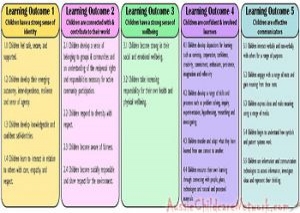 Here is the list of the EYLF Learning Outcomes that you can use as a guide or reference for your documentation and planning. The EYLF
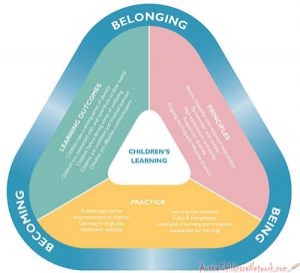 The EYLF is a guide which consists of Principles, Practices and 5 main Learning Outcomes along with each of their sub outcomes, based on identity,
 This is a guide on How to Write a Learning Story. It provides information on What Is A Learning Story, Writing A Learning Story, Sample
 One of the most important types of documentation methods that educators needs to be familiar with are “observations”. Observations are crucial for all early childhood
 To support children achieve learning outcomes from the EYLF Framework, the following list gives educators examples of how to promote children's learning in each individual
 Reflective practice is learning from everyday situations and issues and concerns that arise which form part of our daily routine while working in an early
 When observing children, it's important that we use a range of different observation methods from running records, learning stories to photographs and work samples. Using
 Within Australia, Programming and Planning is reflected and supported by the Early Years Learning Framework. Educators within early childhood settings, use the EYLF to guide
 This is a guide for educators on what to observe under each sub learning outcome from the EYLF Framework, when a child is engaged in
 The Early Years Learning Framework describes the curriculum as “all the interactions, experiences, activities, routines and events, planned and unplanned, that occur in an environment