


When we talk about art areas in learning environments, we’re really looking at how spaces can be intentionally designed to foster creativity, self-expression, and developmental growth. In early childhood, art areas aren’t just about painting or drawing—they’re hubs for exploration, identity-building, and skill development.

Storybook baskets (sometimes called book buckets) are a powerful way to transform a simple read-aloud into an interactive, multi-sensory experience. By pairing books with props, toys, and open-ended materials, educators can help children connect more deeply with stories, practice language skills, and extend their learning through play.

Playdough is more than a fun activity; it’s a versatile tool for creativity, fine motor development, sensory exploration, and imaginative play. A thoughtfully designed playdough area can inspire children to explore textures, shapes, and storytelling while supporting key developmental outcomes.

Create inspiring science and nature areas in childcare with photo ideas, practical setups, and engaging activities to spark curiosity and learning.

Designing a nursery room for infants and toddlers (0–2 years) requires more than just arranging furniture; it’s about creating a safe, nurturing, and developmentally rich environment that aligns with the NQS and the EYLF. At this age, children are forming their earliest attachments, exploring the world through their senses, and developing foundational skills for movement, communication, and social interaction.

In early childhood services, spaces dedicated to books and storytelling are often referred to as reading areas. Educators may also call them book corners or reading nooks, depending on the size, design, and atmosphere of the space. While the terminology varies, the purpose remains the same: to provide children with safe, inspiring environments where they can explore language, imagination, and connection. This article uses “reading areas” as the umbrella term while acknowledging the warmth and familiarity of book corners and reading nooks in everyday practice.

Supporting children in OSHC with regulation techniques means creating safe, predictable environments and teaching strategies that help them manage emotions, behaviour, and social interactions. The most effective approaches combine self-regulation, co-regulation, and environmental adjustments tailored to children’s needs.

A QIP display board in an early learning service is a fantastic way to make your continuous improvement journey visible, engaging, and collaborative. It helps educators, families, and even children see what the service is working on, why it matters, and how progress is being tracked.

Weekly Menu Display Boards in early childhood settings are more than just compliance tools, they’re communication bridges between educators, children, and families. Done well, they can be engaging, inclusive, and even educational. Here are some practical and creative approaches you might find useful.

Program boards are more than just wall displays—they’re a window into the learning journey of children. For educators, they serve as a compliance tool, a communication channel, and a reflective practice aid. This guide outlines what to include, why it matters, and how to design boards that are both functional and inspiring.
 The Children’s Services Award introduces a streamlined classification system and updated pay rates designed to better recognise the skills, qualifications, and responsibilities of early childhood… Read More
 The Children’s Services Award has 8 clear levels. These levels make it easier to understand where you fit, based on your experience, qualifications, and responsibilities.… Read More
 When working as a qualified early childhood teacher (with a university degree) within a service, your rate of pay will come from the Educational Services… Read More
 Diploma-qualified educators play a vital role in early childhood services, taking on responsibilities that range from supporting children’s learning and development to leading rooms and… Read More
 Certificate III qualified educators form the backbone of early childhood services, providing essential care and learning support for children across all settings. Their wages under… Read More
 Early Childhood Teachers (ECTs) play a vital role in leading curriculum and pedagogy in early learning settings. Regulation 272 of the Education and Care Services… Read More
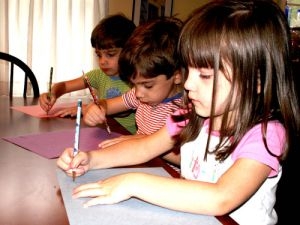 Discover how school readiness programs support children’s independence, confidence, and skills for a successful transition into primary school.
Read More
Discover how school readiness programs support children’s independence, confidence, and skills for a successful transition into primary school.
Read More
 When an Educator is not performing their tasks or responsibilities at best practice, these issues need to be addressed for the Educator to understand where… Read More
 Educators can maximise tax deductions by claiming classroom supplies, training, union fees, and home office costs this financial year.
Read More
Educators can maximise tax deductions by claiming classroom supplies, training, union fees, and home office costs this financial year.
Read More
 A staff appraisal is a formal, systematic process of determining and reviewing the performance of early childhood educators over a period of time, usually a… Read More

Emotional Intelligence is now widely accepted as a fundamental life skill which can be nurtured...
See more...
The 8 Practices are supported by early childhood pedagogy's guiding principles. The following article provides details...
See more...
As an Educator, you are involved in the day to day running of the service...
See more...