
The preschool sign-in area is more than just a place for attendance; it’s the first touchpoint of the day where children, families, and educators connect. A thoughtfully designed sign-in space fosters independence, strengthens family partnerships, and sets a welcoming tone that helps children transition smoothly from home to the service.
Benefits of a Sign-In Area
- Promotes independence: Children learn responsibility by signing themselves in each morning.
- Supports literacy: Daily recognition of names, letters, and symbols builds early reading skills.
- Encourages emotional safety: Families see their child welcomed into the group, reinforcing trust and belonging.
- Smooth transitions: A consistent routine helps children shift from home life to classroom expectations.
- Strengthens community: Shared rituals create a sense of belonging for children and families alike.
Practical Ideas for Setup
- Child-friendly sign-in systems: Use photo name cards, magnetic boards, or Velcro charts so children can actively participate.
- Family engagement station: Provide clipboards or digital forms for parents, plus a space for quick notes or reminders.
- Visual cues: Add picture schedules, emotion check-in charts, or weather boards to connect sign-in with learning.
- Welcoming environment: Display children’s artwork, add cozy rugs, and use puppets or soft toys for morning greetings.
- Cultural inclusivity: Incorporate greetings in multiple languages or symbols that reflect children’s backgrounds.
Creative Touches
- Seasonal themes: Decorate the sign-in chart with autumn leaves, spring flowers, or festive symbols.
- Interactive choices: Let children sign in by selecting a symbol (animal, colour, shape) that represents them.
- Emotion check-in: Pair sign-in with a mood chart so children can express how they’re feeling at the start of the day.
Photo Ideas

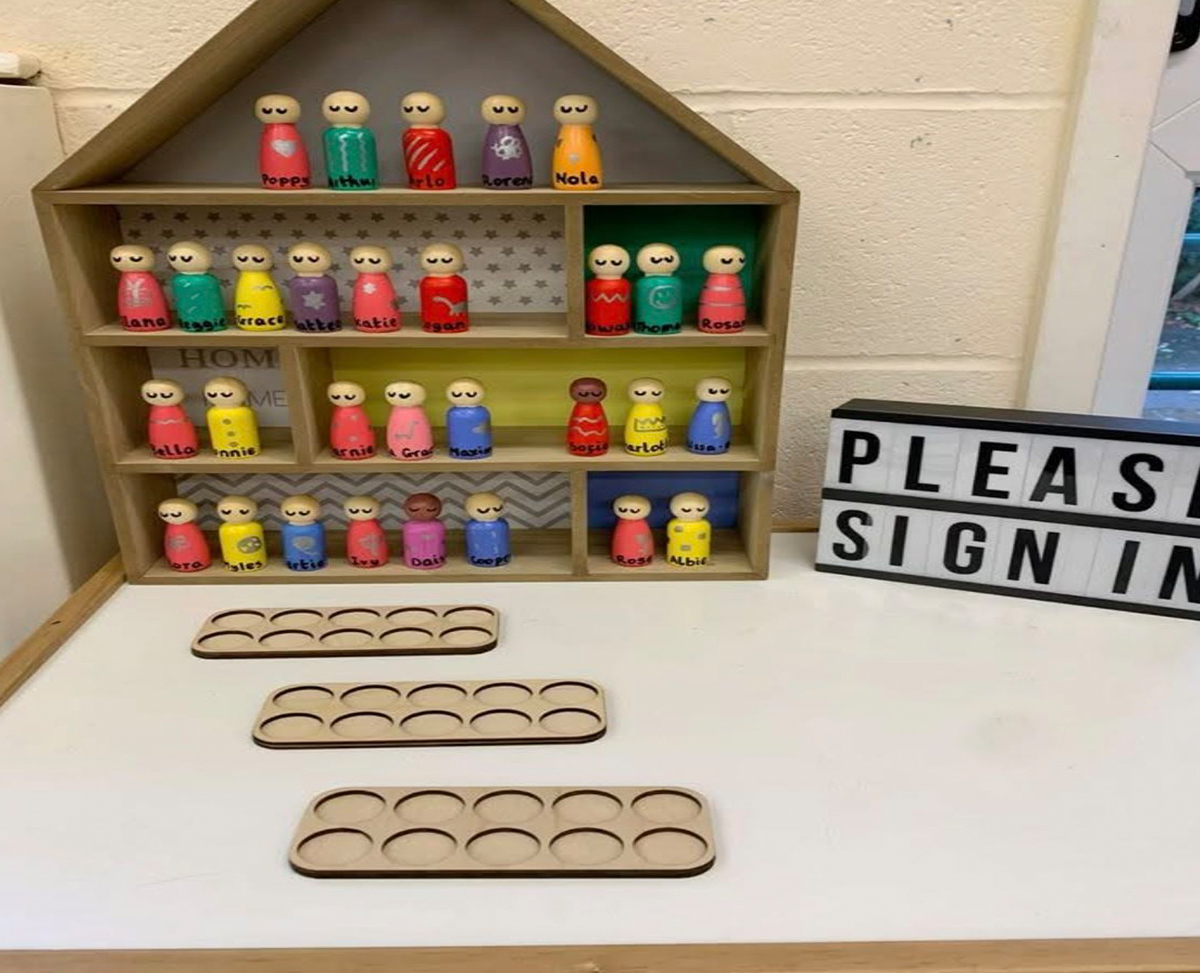
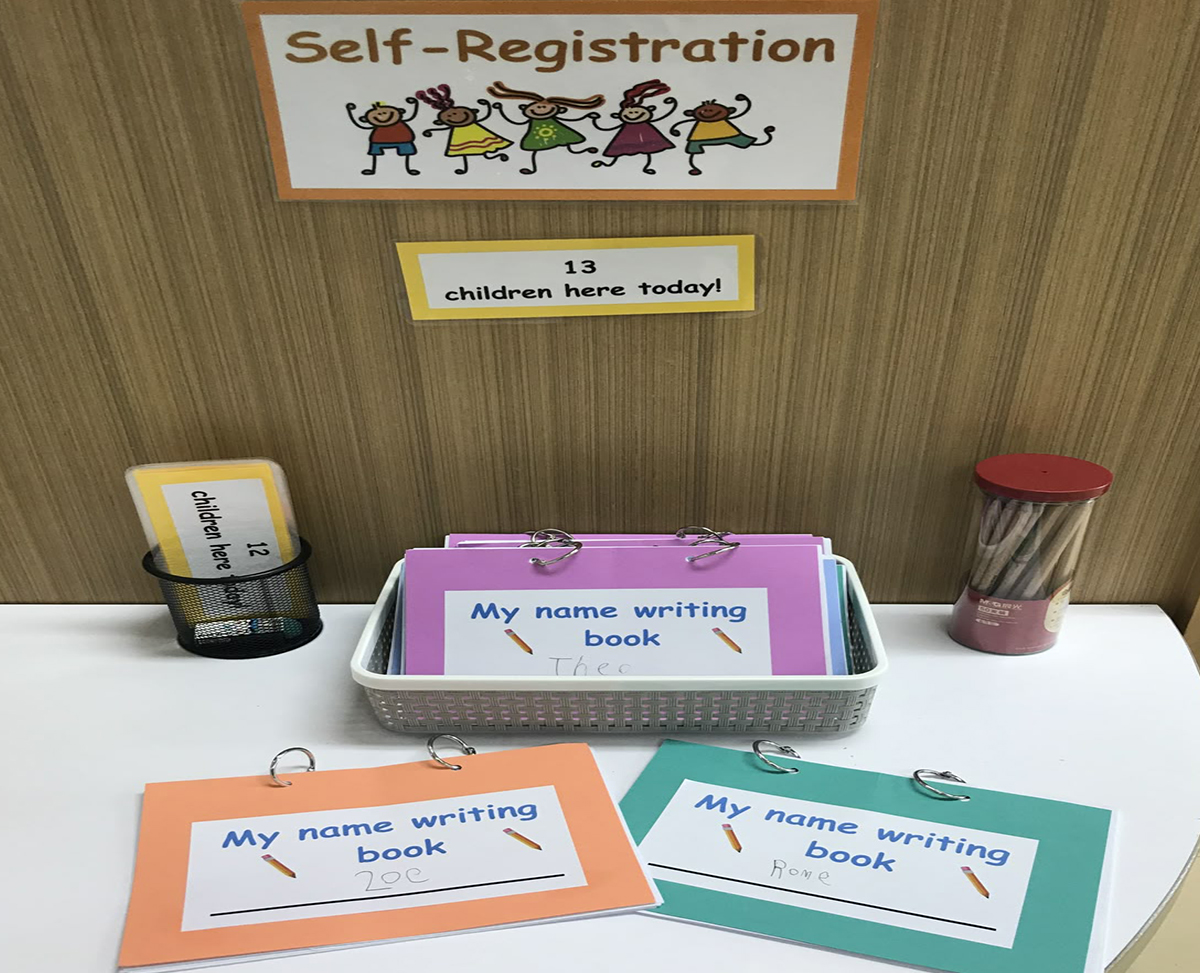
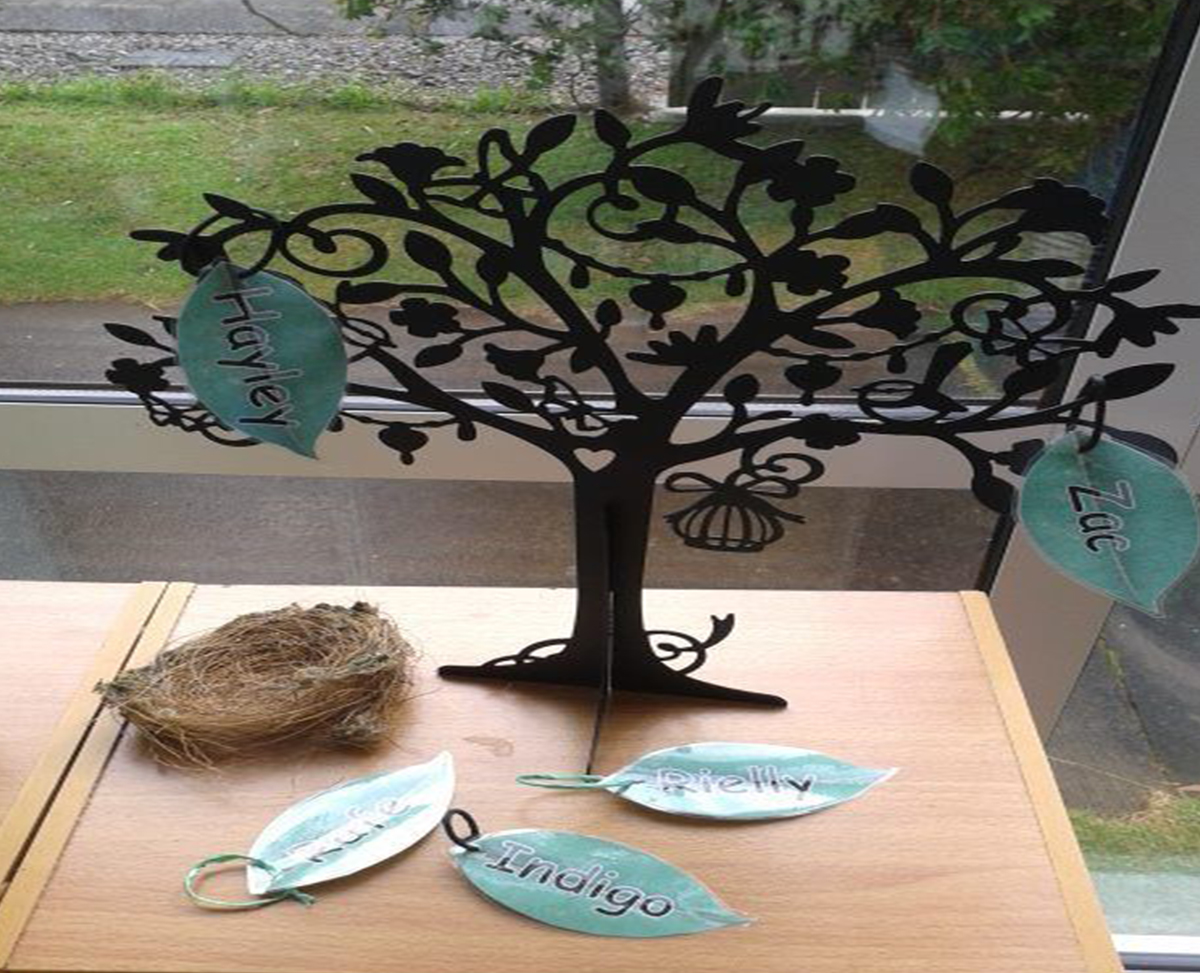
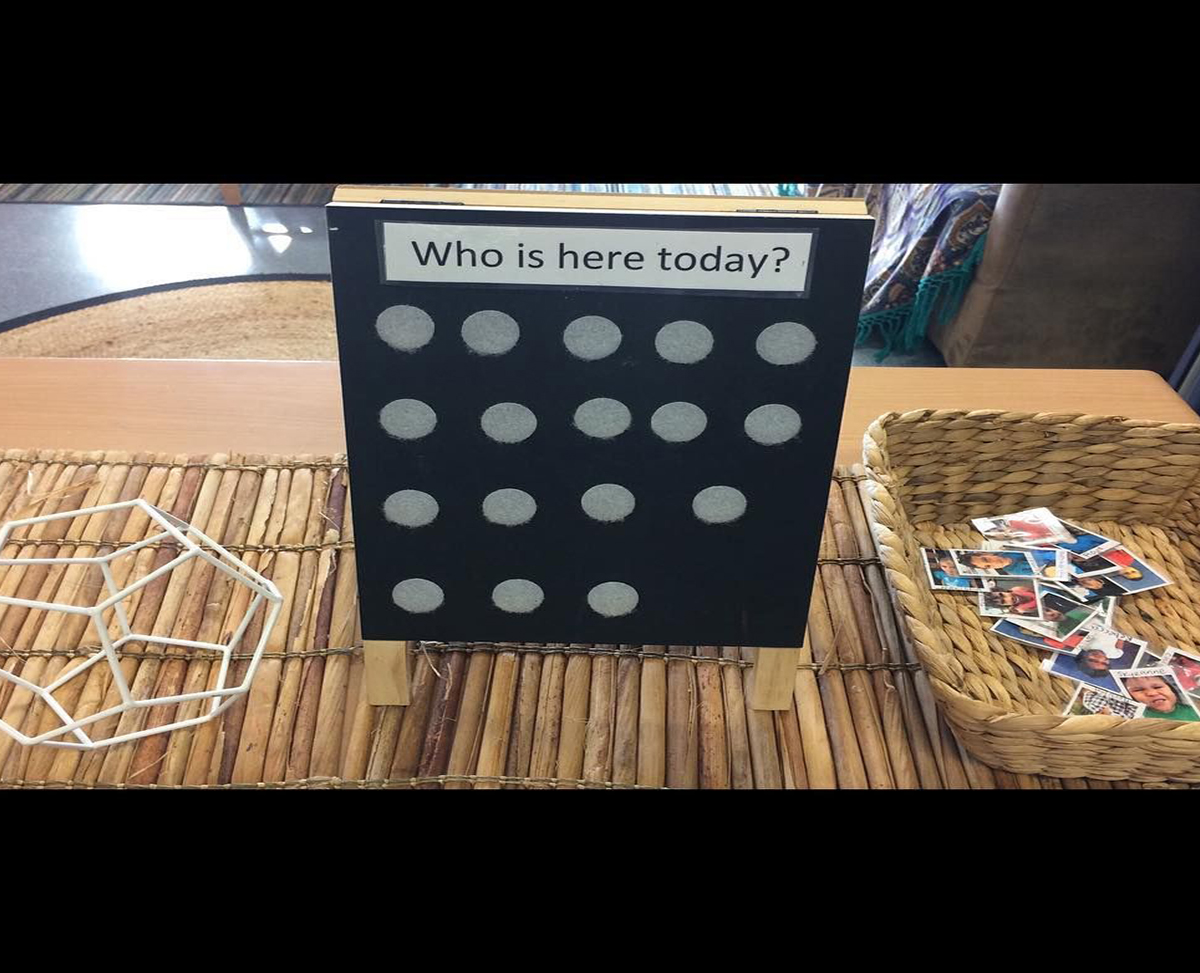
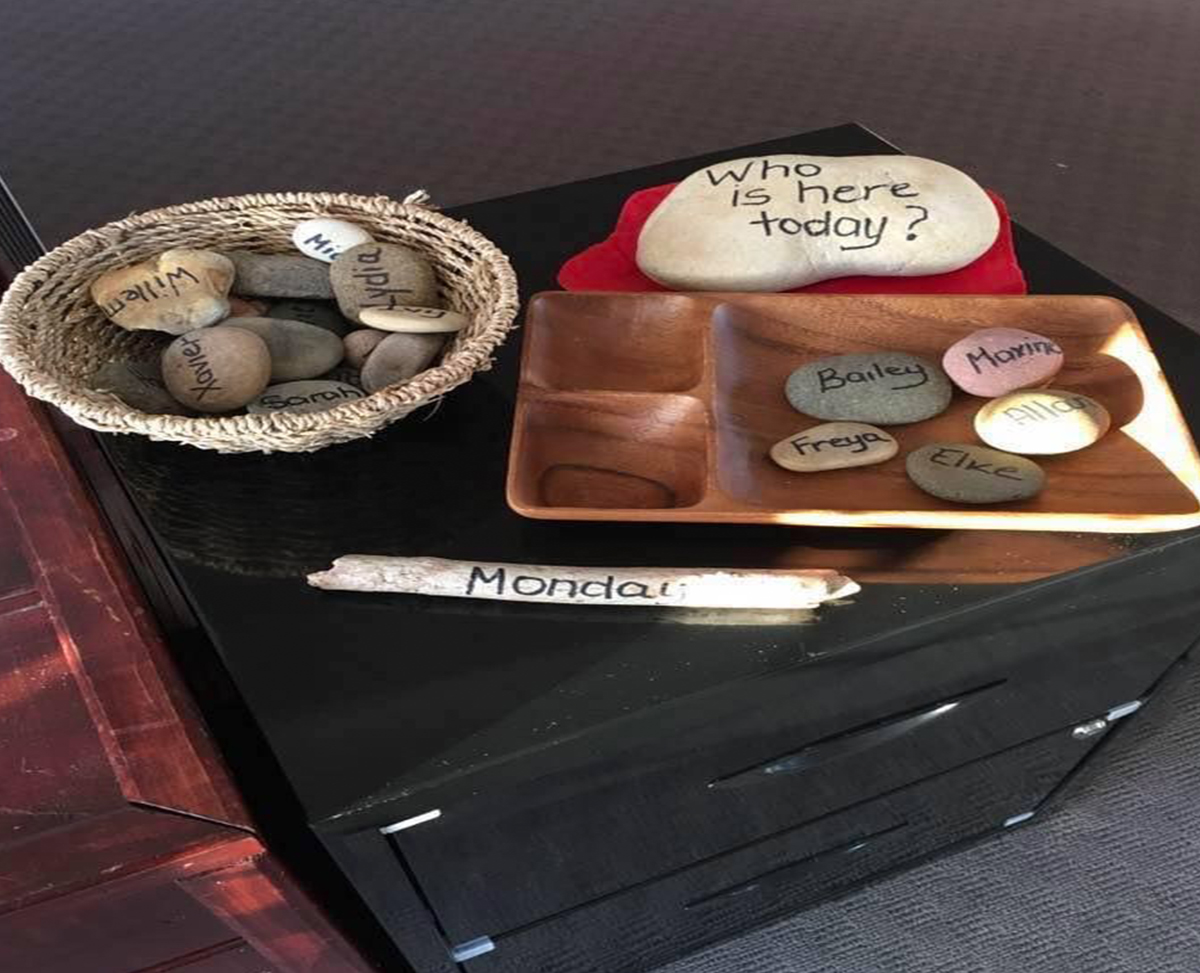

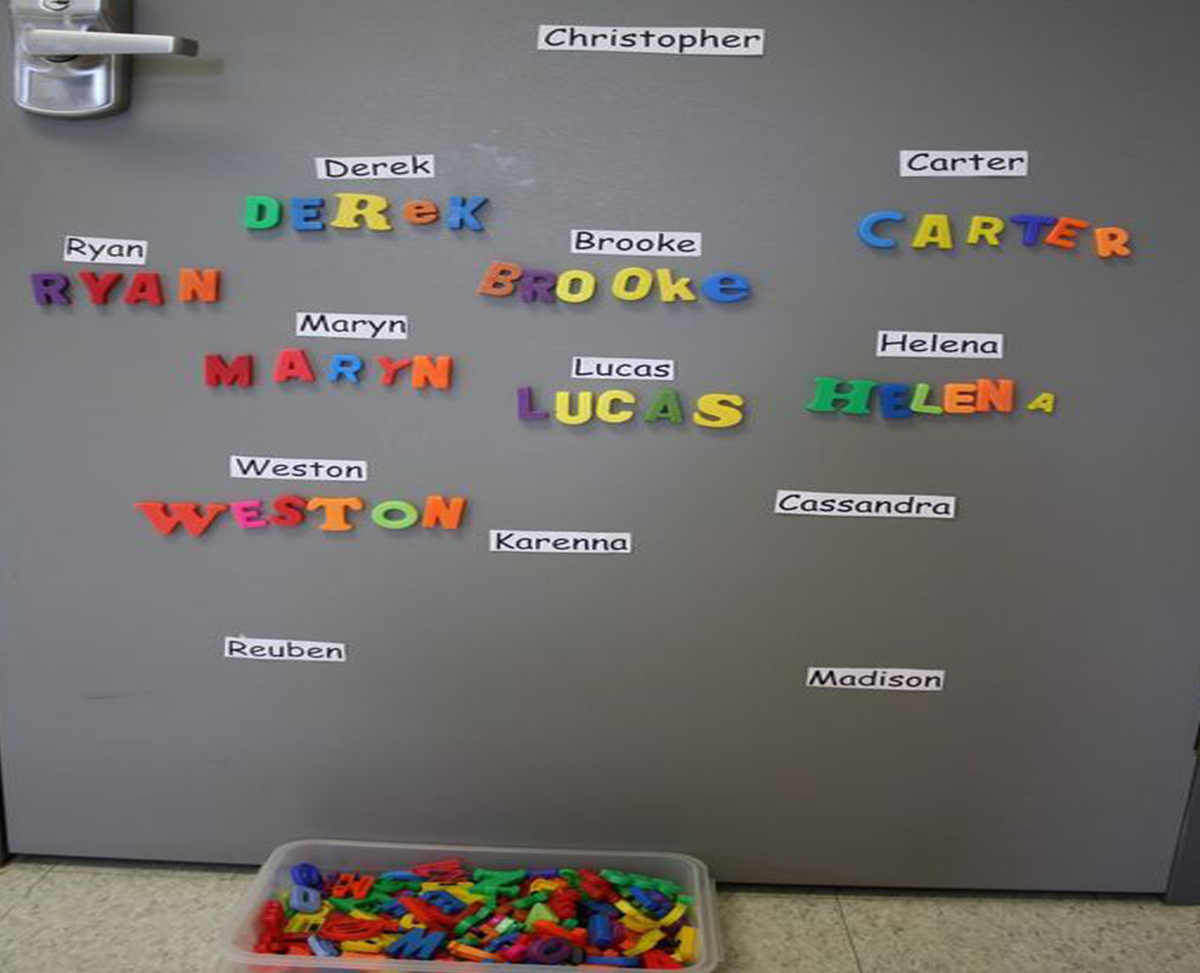

A preschool sign-in area is more than a logistical necessity—it’s a daily ritual that builds confidence, connection, and community. By blending practical systems with creative, inclusive touches, educators can transform this space into a meaningful part of the preschool experience.
Image References:
All images sourced from Pinterest




 The Children’s Services Award introduces a streamlined classification system and updated pay rates designed to better recognise the skills, qualifications, and responsibilities of early childhood
 The Children’s Services Award has 8 clear levels. These levels make it easier to understand where you fit, based on your experience, qualifications, and responsibilities.
 When working as a qualified early childhood teacher (with a university degree) within a service, your rate of pay will come from the Educational Services
 Diploma-qualified educators play a vital role in early childhood services, taking on responsibilities that range from supporting children’s learning and development to leading rooms and
 Certificate III qualified educators form the backbone of early childhood services, providing essential care and learning support for children across all settings. Their wages under
 Early Childhood Teachers (ECTs) play a vital role in leading curriculum and pedagogy in early learning settings. Regulation 272 of the Education and Care Services
 Discover how school readiness programs support children’s independence, confidence, and skills for a successful transition into primary school.
 When an Educator is not performing their tasks or responsibilities at best practice, these issues need to be addressed for the Educator to understand where
 Educators can maximise tax deductions by claiming classroom supplies, training, union fees, and home office costs this financial year.
 A staff appraisal is a formal, systematic process of determining and reviewing the performance of early childhood educators over a period of time, usually a