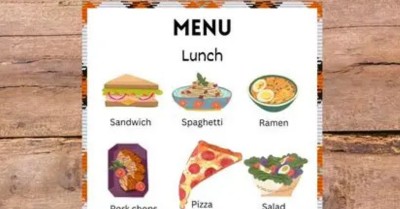
Weekly Menu Display Boards in early childhood settings are more than just compliance tools, they’re communication bridges between educators, children, and families. Done well, they can be engaging, inclusive, and even educational. Here are some practical and creative approaches you might find useful.
Design Ideas
- Visual icons for food groups: Use simple images (fruit, bread, milk, veggies) so children can “read” the menu even if they’re not yet literate.
- Color-coded days: Assign each day a color (e.g., Monday = green, Tuesday = blue) to help children anticipate routines.
- Seasonal themes: Incorporate nature symbols (leaves, snowflakes, flowers) to connect menus with the environment.
- Interactive flaps or Velcro cards: Children can help “build” the menu board each morning, fostering ownership.
- Multilingual labels: Add translations for families from diverse backgrounds, reinforcing inclusion.
Compliance & Communication
- Clear daily breakdown: Breakfast, morning tea, lunch, afternoon tea, with portion notes if required.
- Allergen alerts: Highlight substitutions or allergy-safe options with symbols (e.g., nut-free icon).
- Nutritional balance: Show food groups visually to reassure families about variety and health.
- Family engagement: Add a “Did you know?” nutrition fact or recipe card families can take home.
Child-Centered Extensions
- Menu helpers: Assign children as “menu monitors” to point out what’s coming up.
- Food literacy links: Pair the menu with a picture book or science activity (e.g., “Carrot day” → garden exploration).
- Emotion connection: Use emojis or animal symbols to help children express how they feel about certain foods.
- Cultural celebration days: Feature dishes tied to festivals or family traditions, building pride and awareness.
Photo Ideas


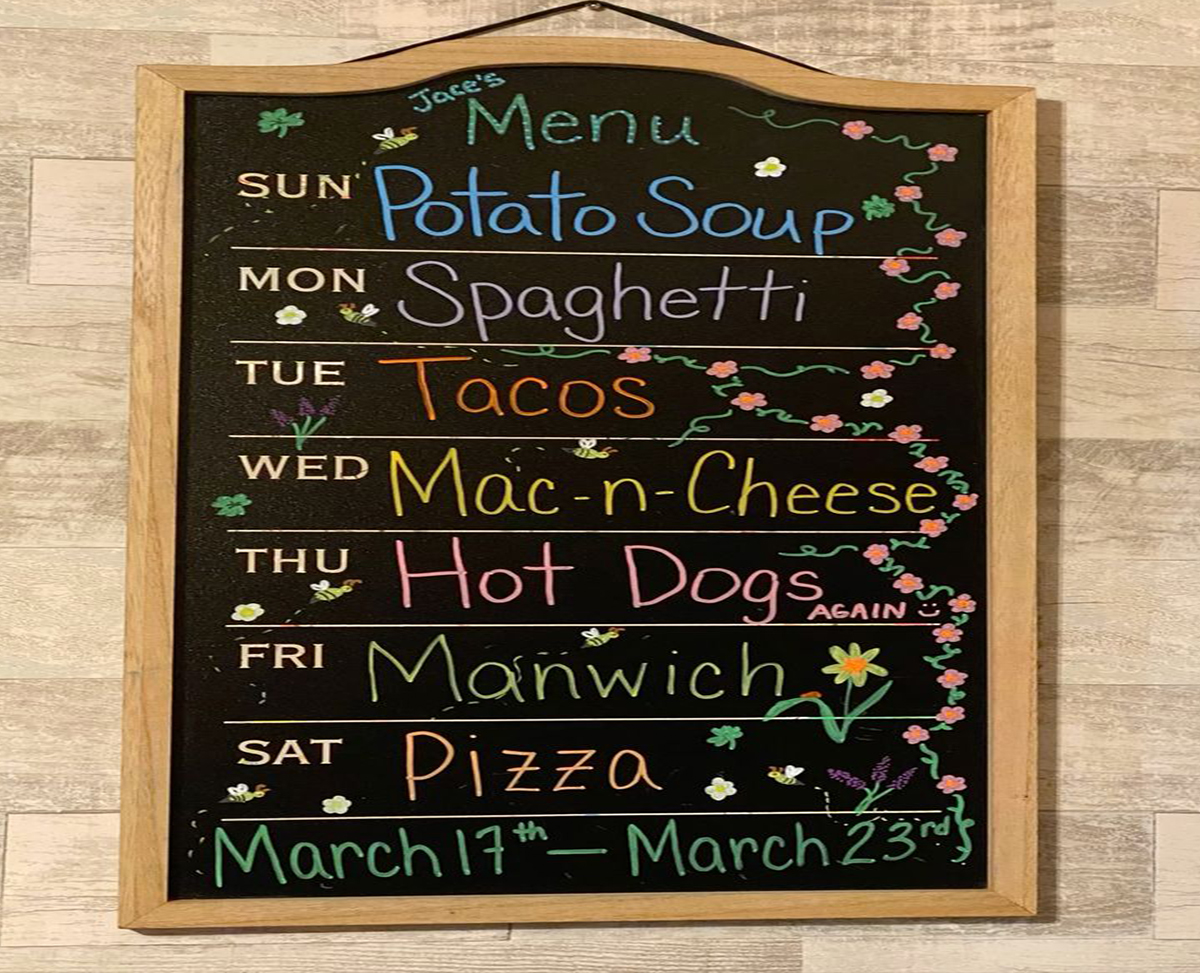
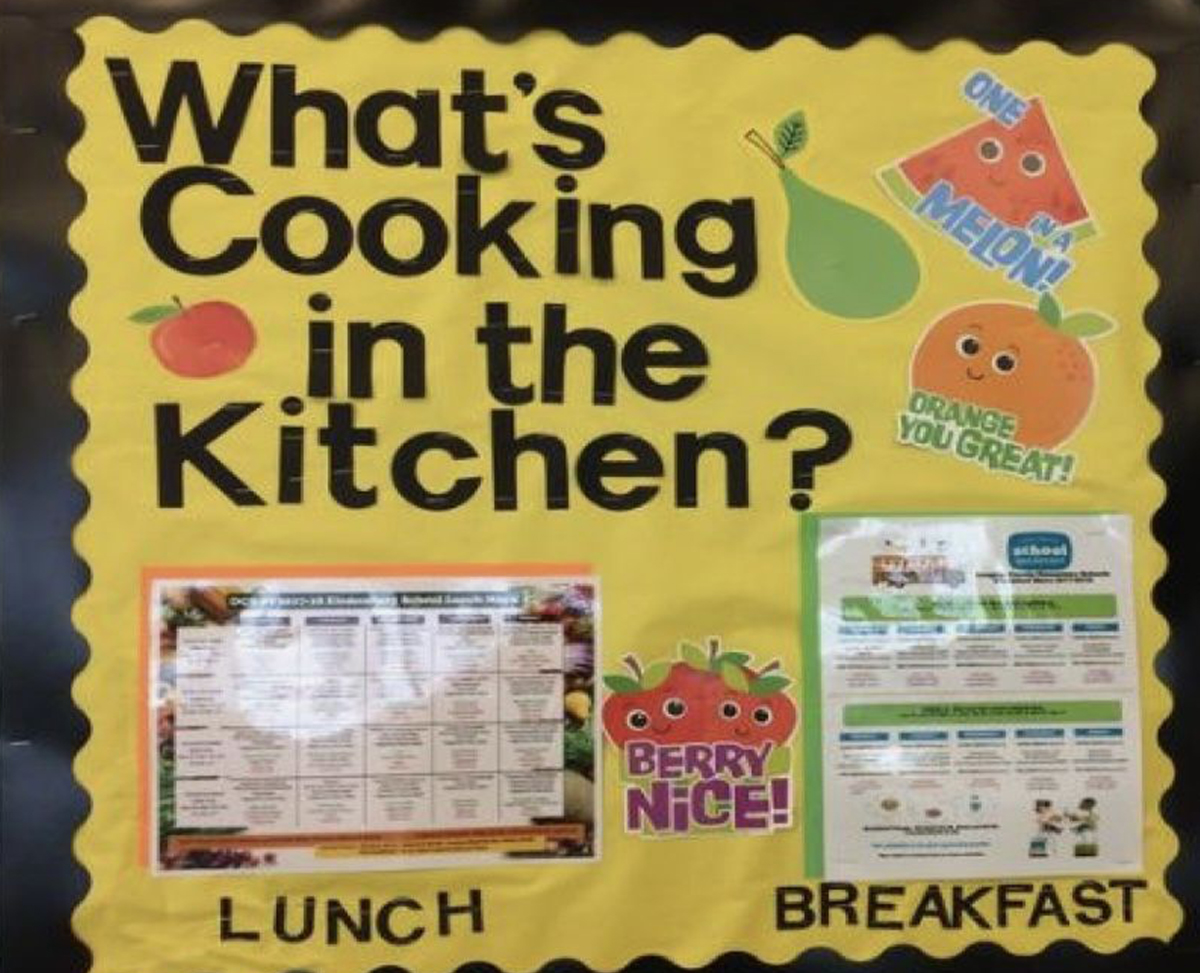
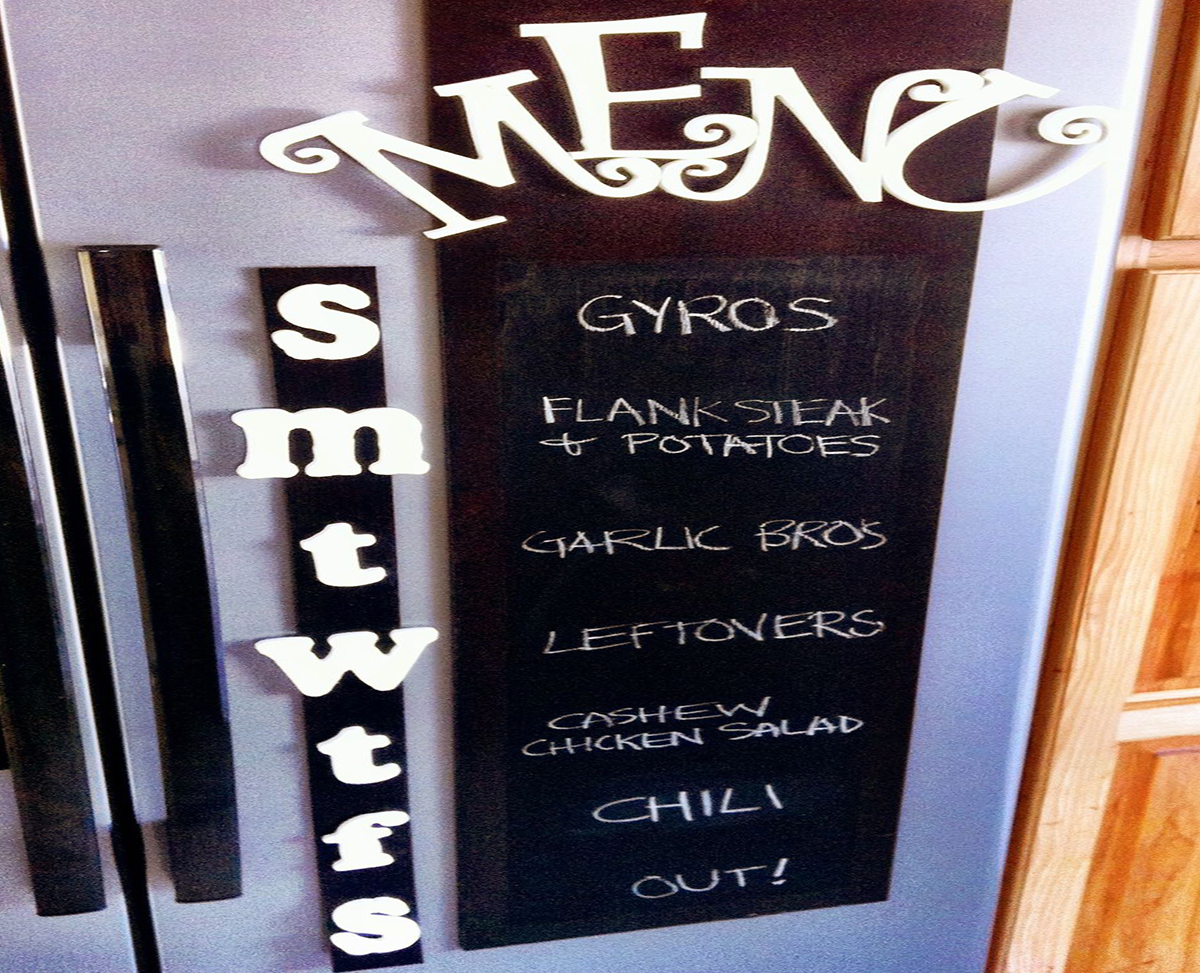
When we design weekly menu boards with children and families in mind, they become tools for inclusion, nutrition awareness, and joyful engagement. Whether it’s through colourful icons, cultural recipes, or interactive elements, these displays can spark curiosity and build trust. Let’s keep reimagining them as living documents that reflect not only what’s on the plate but also the values of our community.
Image References:
Image 1 - No Name
Image 2 - Donna Crenshaw
Image 3 - Let’s Live and Learn
Image 4 - No Name
Image 5 - Stacey
Image 6 - Maria Imperiale Wenthen
Image 7 - No Name
Further Reading
Free Menu Planning Tool For All Early Childhood Services
Free Online Training On Planning Healthy Menus
Free Webinar On Creating Nutritious Menus
Weekly Menu Plan




 The Children’s Services Award introduces a streamlined classification system and updated pay rates designed to better recognise the skills, qualifications, and responsibilities of early childhood
 The Children’s Services Award has 8 clear levels. These levels make it easier to understand where you fit, based on your experience, qualifications, and responsibilities.
 When working as a qualified early childhood teacher (with a university degree) within a service, your rate of pay will come from the Educational Services
 Diploma-qualified educators play a vital role in early childhood services, taking on responsibilities that range from supporting children’s learning and development to leading rooms and
 Certificate III qualified educators form the backbone of early childhood services, providing essential care and learning support for children across all settings. Their wages under
 Early Childhood Teachers (ECTs) play a vital role in leading curriculum and pedagogy in early learning settings. Regulation 272 of the Education and Care Services
 Discover how school readiness programs support children’s independence, confidence, and skills for a successful transition into primary school.
 When an Educator is not performing their tasks or responsibilities at best practice, these issues need to be addressed for the Educator to understand where
 Educators can maximise tax deductions by claiming classroom supplies, training, union fees, and home office costs this financial year.
 A staff appraisal is a formal, systematic process of determining and reviewing the performance of early childhood educators over a period of time, usually a