



The Australian Government will support a 15% wage increase, over 2 years, for early childhood education and care through a new Worker Retention Payment that providers will need to apply for. The payment will start in December 2024 and run for 2 years.

From the 01 November, for Cert 3 and Diploma Educational Leaders, they will now receive an allowance of $4,022.05 per year.

Early childhood educators are represented by the United Workers Union (Union), which has called for a strike on September 7 in protest of the wages and working conditions in the industry.

Hundreds of early childhood union members voted to take national action, shut down the early learning sector and take to the streets on Early Childhood Educators Day on September 7.
The Fair Work Commission has announced a 5.75% increase in minimum wages following its 2023 Annual Wage Review. The increase will apply to base rates of pay from the first full pay period starting on or after 1 July 2023.

Wage discussions and salary negotiations with employers are sure to rank high in any list of difficult conversations for educators – riddled as the issue is with a range of complexities, from personal aspirations to sector-wide trends. The following article lists strategies on how to talk to your employer about pay, including knowing your worth, being prepared, using open-ended questions and more.

One early childhood education and care provider which is situated near Gold Coast is being ordered to pay back workers. The amount that has been ordered to pay back is nearly almost $250,000. Not only that they have been ordered to pay near about $45,000 as a penalty for failure to comply with three Compliances Notices that has been given by the Fair Work Ombudsman whose requirement was to make the back payment of the entitlements.
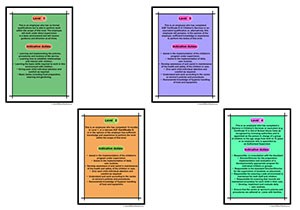
The Levels For Childcare Wages In Australia Posters enable Educators to determine what classification structure they fall under, according to the Children’s Services Award 2010 that determines their minimum wage. Each Poster gives a definition of the level, qualifications required and the duties an Educator should perform in order to be paid at that particular level. This will help Educators to understand their correct level and their correct pay at that specific level. These Posters should be displayed in the Staff Room or added into the Orientation Pack for Educators so they understand their classification level.

Diploma-qualified educators play a vital role in early childhood services, taking on responsibilities that range from supporting children’s learning and development to leading rooms and coordinating programs. Their wages under the Children’s Services Award reflect both their qualifications and the scope of their duties, with clear progression as they move into leadership and management roles.

As part of the Modern Award Review, the Fair Work Commission has varied a number of clauses in the modern awards, which includes changes to the Children's Services Award and the Educational Services Teachers Award.
 The Children’s Services Award introduces a streamlined classification system and updated pay rates designed to better recognise the skills, qualifications, and responsibilities of early childhood… Read More
 The Children’s Services Award has 8 clear levels. These levels make it easier to understand where you fit, based on your experience, qualifications, and responsibilities.… Read More
 When working as a qualified early childhood teacher (with a university degree) within a service, your rate of pay will come from the Educational Services… Read More
 Diploma-qualified educators play a vital role in early childhood services, taking on responsibilities that range from supporting children’s learning and development to leading rooms and… Read More
 Certificate III qualified educators form the backbone of early childhood services, providing essential care and learning support for children across all settings. Their wages under… Read More
 Early Childhood Teachers (ECTs) play a vital role in leading curriculum and pedagogy in early learning settings. Regulation 272 of the Education and Care Services… Read More
 Discover how school readiness programs support children’s independence, confidence, and skills for a successful transition into primary school.
Read More
Discover how school readiness programs support children’s independence, confidence, and skills for a successful transition into primary school.
Read More
 When an Educator is not performing their tasks or responsibilities at best practice, these issues need to be addressed for the Educator to understand where… Read More
 Educators can maximise tax deductions by claiming classroom supplies, training, union fees, and home office costs this financial year.
Read More
Educators can maximise tax deductions by claiming classroom supplies, training, union fees, and home office costs this financial year.
Read More
 A staff appraisal is a formal, systematic process of determining and reviewing the performance of early childhood educators over a period of time, usually a… Read More

EYLF Outcome 4 centers on empowering children to become self-assured, engaged participants in their own...
See more...
With the new national child safety reforms kicking in on 1 September 2025, early childhood...
See more...
The home corner is more than a play space—it’s a mirror of children’s lived experiences...
See more...