



Children like adults are usually predisposed to a particular way of processing information. Those who best do this by experiencing it or acting it out are known as tactile learners. A learning style that helps kids physically touch or try something in order to learn the concept best is known as tactile learning or kinaesthetic learning. The following article provides information on identifying tactile learners and how to use tactile learning within the learning environment.

Self-regulation can be understood as a suite of skills needed to control and manage one’s own emotions and behaviours in a wide range of setting. Learning self-regulation in the early years has been consistently linked to not just better adjusted adults but also higher levels of academic achievement in later life. The following provides strategies to support children’s self-regulation in the learning environment.

In early childhood, positive relationships with teachers are extremely important for intellectual, social and emotional development. Indeed research shows that secure attachments formed in early years do not just prepare the foundations for positive relationships in adulthood but predict positive life outcomes as well. The following article provides strategies on how Educators can build relationships with children.

Confidence is crucial for setting and achieving goals in all stages and areas of life. However, confidence is not something that one child is born with more than others; rather confidence grows as a result of positive experiences and adult guidance. The following provides strategies to boost confidence in children.

The assessment and rating process for early childhood education and care services involves several key steps to ensure quality and compliance with standards. The following article provides information on Steps In The Assessment and Rating Process, Steps In Self Assessment, Assessment Visit, Follow Up and Continuous Improvement and more.

Learning styles, according to Howard Gardner, are the ways in which an individual approaches a range of tasks. The following provides information on Gardner's learning styles.

Sensory Play is an early childhood educational approach that allows children to use all their senses when exploring their learning environment. The following article provides the benefits of sensory play and how you can incorporate it into the learning environment.

Routines and rituals are an integral aspect of growing up. They not only teach young children the skills needed to function in the adult world but impart a measure of control over their immediate environment. The following article provides strategies for using rituals and routines in an early childhood setting.

Empathy can be understood as the experience of understanding another person's condition from their perspective. The trait is considered one of the most important life skills that children can learn since it not only nurtures interpersonal relationships, thereby making for a strong support network in adulthood but has been linked to positive life outcomes too. The following article provides strategies for promoting empathy in children.
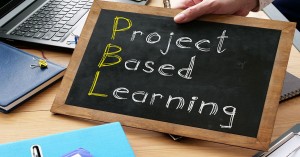
Project-based learning is an educational approach in which students acquire knowledge and skills by working for an extended time on a project or task. The following article provides information on What Is Project Based Learning, the Key Elements of Project Based Learning and the fundamentals of project-based learning and how you can use it in the learning environment.
 The Children’s Services Award introduces a streamlined classification system and updated pay rates designed to better recognise the skills, qualifications, and responsibilities of early childhood… Read More
 The Children’s Services Award has 8 clear levels. These levels make it easier to understand where you fit, based on your experience, qualifications, and responsibilities.… Read More
 When working as a qualified early childhood teacher (with a university degree) within a service, your rate of pay will come from the Educational Services… Read More
 Diploma-qualified educators play a vital role in early childhood services, taking on responsibilities that range from supporting children’s learning and development to leading rooms and… Read More
 Certificate III qualified educators form the backbone of early childhood services, providing essential care and learning support for children across all settings. Their wages under… Read More
 Early Childhood Teachers (ECTs) play a vital role in leading curriculum and pedagogy in early learning settings. Regulation 272 of the Education and Care Services… Read More
 Discover how school readiness programs support children’s independence, confidence, and skills for a successful transition into primary school.
Read More
Discover how school readiness programs support children’s independence, confidence, and skills for a successful transition into primary school.
Read More
 When an Educator is not performing their tasks or responsibilities at best practice, these issues need to be addressed for the Educator to understand where… Read More
 Educators can maximise tax deductions by claiming classroom supplies, training, union fees, and home office costs this financial year.
Read More
Educators can maximise tax deductions by claiming classroom supplies, training, union fees, and home office costs this financial year.
Read More
 A staff appraisal is a formal, systematic process of determining and reviewing the performance of early childhood educators over a period of time, usually a… Read More

In light of the recent events, it's important for services to reassure families that this...
See more...
Harmony Week (16th–23rd March) is a national celebration of cultural diversity, respect, and inclusion. For...
See more...
The following outlines your workplace entitlements and obligations if you're affected by the outbreak of...
See more...