



The role of an educational leader in early childhood settings in Australia is multifaceted and crucial for the development and implementation of high-quality educational programs. The following articles provides information on Position Description For An Educational Leader, Skills Of An Educational Leader, Educational Leader Allowance, Supporting Educators, Motivating and Inspiring As An Educational Leader and more.

A nice way to say Thank You to Educators for all their hard work and dedication for the year is with an end of year gift. The following provides gift ideas for Educators that are thoughtful and cost effective.

Giving an end of year keepsake to children is a sweet and meaningful way to say Thank You and Goodbye to each child that you have watched grow, develop and love over the past year. The following article provides ideas for easy DIY gifts that are creative and thoughtful.

When an employee is fired in a severe, unfair, or irrational way, it is known as an unfair dismissal. The law protects many employees from unfair dismissal. The following article provides information on What Is Dismissal, What Is Unfair Dismissal, Minimum Employment Period, Applying For Unfair Dismissal, Remedies For Unfair Dismissal and more.
Sun safety is crucial in early childhood services to protect young children from the harmful effects of ultraviolet (UV) radiation. The following article provides Strategies And Guidelines To Ensure Sun Safety, The Importance Of UV Levels When Playing Outside In Childcare, What Are The Recommended UV Levels For Playing Outside, Where To Monitor UV Levels and more.

Preschool graduation is a special milestone that celebrates the transition of young children from preschool to kindergarten. It's a time to recognize their growth, achievements, and readiness for the next stage of their educational journey. The following article provides information on What Is Preschool Graduation, Strategies To Implement A Preschool Graduation, How To Get Children Involved In Their Preschool Graduation, What Does A Genuinely Inclusive, Child-focused Graduation Look Like and more.

A Diploma Of Early Childhood Education and Care opens up a variety of rewarding career opportunities. The following article provides potential career opportunities for Educators who have completed a Diploma Of Early Childhood Education and Care.
Transitioning children into a new room in childcare can be a smooth and positive experience with the right strategies. The following article provides information on When To Transition A Child Into A New Room In Childcare, Strategies To Support Transition To A New Room, and more.

School readiness" refers to a child's preparedness to succeed in a school environment. It's not just about academic skills like reading, writing, and math, but also encompasses the development of the whole child, including their social, emotional, physical, and cognitive skills. The following article provides information on Key Aspects Of School Readiness, How To Support School Readiness and more.
 The Children’s Services Award introduces a streamlined classification system and updated pay rates designed to better recognise the skills, qualifications, and responsibilities of early childhood… Read More
 The Children’s Services Award has 8 clear levels. These levels make it easier to understand where you fit, based on your experience, qualifications, and responsibilities.… Read More
 When working as a qualified early childhood teacher (with a university degree) within a service, your rate of pay will come from the Educational Services… Read More
 Diploma-qualified educators play a vital role in early childhood services, taking on responsibilities that range from supporting children’s learning and development to leading rooms and… Read More
 Certificate III qualified educators form the backbone of early childhood services, providing essential care and learning support for children across all settings. Their wages under… Read More
 Early Childhood Teachers (ECTs) play a vital role in leading curriculum and pedagogy in early learning settings. Regulation 272 of the Education and Care Services… Read More
 Discover how school readiness programs support children’s independence, confidence, and skills for a successful transition into primary school.
Read More
Discover how school readiness programs support children’s independence, confidence, and skills for a successful transition into primary school.
Read More
 When an Educator is not performing their tasks or responsibilities at best practice, these issues need to be addressed for the Educator to understand where… Read More
 Educators can maximise tax deductions by claiming classroom supplies, training, union fees, and home office costs this financial year.
Read More
Educators can maximise tax deductions by claiming classroom supplies, training, union fees, and home office costs this financial year.
Read More
 A staff appraisal is a formal, systematic process of determining and reviewing the performance of early childhood educators over a period of time, usually a… Read More
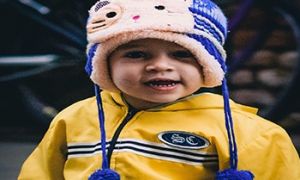
Cold weather play is incredibly beneficial for early childhood development! It helps children build resilience...
See more...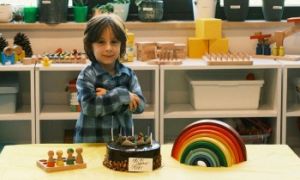
Birthdays are joyful milestones in a child’s life, and early childhood settings often look for...
See more...
In early childhood education, children’s artwork is often vibrant, expressive, and deeply personal. Yet too...
See more...