



Writing transition statements in early childhood education is an important task that helps ensure a smooth transition for children moving from early childhood settings to primary school. The following article provides information on the Purpose Of Transition Statements, Key Components Of Transition Statements, Tips For Writing Transition Statements, Examples and more.

Showcasing children’s work creatively can boost their confidence and make them feel valued. The following article provides information on Showcasing Children's Work, Showcasing Children's Work Outdoors, Showcasing Ongoing Projects, Showcasing Collaborative Projects and more.

The theme of this year's Children's Week is Article 24 of the United Nations Convention on the Rights of the Child (UNCRC) - Article 24 Children have the right to a clean and safe environment. The following article provides information on Article 24, Practical Strategies To Achieve A Clean and Safe Environment For Children and more.

Celebrating children’s achievements in early childhood is crucial for their development and self-esteem.

Meditation can be a wonderful tool for preschoolers to help them relax, focus, and manage their emotions. The following article provides simple and engaging meditation activities for young children.

Supporting the mental health of toddlers and preschoolers is crucial for their overall development. The following article provides information on effective strategies including Building Trusting Relationships, Teach Social Emotional Skills, Encourage Positive Interactions, Create A Multi Rich Environment, Professional Development and more.

The following lists useful contacts if you have a question or need support as a provider and for early learning services.

Providers of childcare care or early childhood educational services are required to get their service rated for quality by regulatory authorities. Quality ratings are provided after assessments against the seven quality areas outlined in the National Quality Standard or NQS. If your service has been rated ‘Working Towards’, here it what means and what you can do to improve your rating.
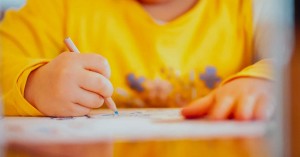
Visual Motor Integration covers efficient and effective coordination between the eyes and the hands so that children are able to copy, draw or write what they see. Since children develop their handwriting based on what they see in a model and then imitate it in their own writing, they need to have effective Visual Motor Integration. The following article provides information on What Is Visual Motor Integration, VMI and Handwriting, Improving Visual Motor Skills and more.
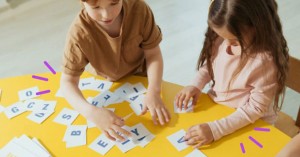
At its simplest, communication is the process of sending and receiving information between two or more people. Visual communication involves the exchange of information using pictures, imagery, symbols and signs. The following article provides strategies for using visual communication with children.
 The Children’s Services Award introduces a streamlined classification system and updated pay rates designed to better recognise the skills, qualifications, and responsibilities of early childhood… Read More
 The Children’s Services Award has 8 clear levels. These levels make it easier to understand where you fit, based on your experience, qualifications, and responsibilities.… Read More
 When working as a qualified early childhood teacher (with a university degree) within a service, your rate of pay will come from the Educational Services… Read More
 Diploma-qualified educators play a vital role in early childhood services, taking on responsibilities that range from supporting children’s learning and development to leading rooms and… Read More
 Certificate III qualified educators form the backbone of early childhood services, providing essential care and learning support for children across all settings. Their wages under… Read More
 Early Childhood Teachers (ECTs) play a vital role in leading curriculum and pedagogy in early learning settings. Regulation 272 of the Education and Care Services… Read More
 Discover how school readiness programs support children’s independence, confidence, and skills for a successful transition into primary school.
Read More
Discover how school readiness programs support children’s independence, confidence, and skills for a successful transition into primary school.
Read More
 When an Educator is not performing their tasks or responsibilities at best practice, these issues need to be addressed for the Educator to understand where… Read More
 Educators can maximise tax deductions by claiming classroom supplies, training, union fees, and home office costs this financial year.
Read More
Educators can maximise tax deductions by claiming classroom supplies, training, union fees, and home office costs this financial year.
Read More
 A staff appraisal is a formal, systematic process of determining and reviewing the performance of early childhood educators over a period of time, usually a… Read More
Sensory boards, often called busy boards, are interactive panels designed to stimulate children’s senses and...
See more...
Here’s a comprehensive guide on How to Approach School Readiness Planning for Preschoolers, grounded in...
See more...
Discover open‑ended play photo ideas for early childhood. Strategies, challenges, and creative activities to foster...
See more...