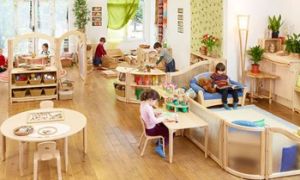
Sensory boards, often called busy boards, are interactive panels designed to stimulate children’s senses and encourage hands-on exploration. They combine everyday objects, locks, switches, textures, zippers, bells, into a safe, engaging platform that nurtures curiosity, problem-solving, and fine motor skills.
Why Sensory Boards Matter
- Cognitive Development: Children learn cause-and-effect relationships (e.g., flipping a switch turns on a light).
- Fine Motor Skills: Activities like turning knobs or fastening buttons strengthen hand-eye coordination.
- Sensory Stimulation: Different textures, sounds, and visuals engage multiple senses simultaneously.
- Independence & Confidence: Boards encourage self-directed play, allowing children to experiment and succeed at their own pace.
- Inclusive Learning: Sensory boards can be adapted for children of varying abilities, making them valuable in early childhood and special education settings.
Elements Commonly Found on Sensory Boards
| Sensory Type | Examples | Benefits |
|---|---|---|
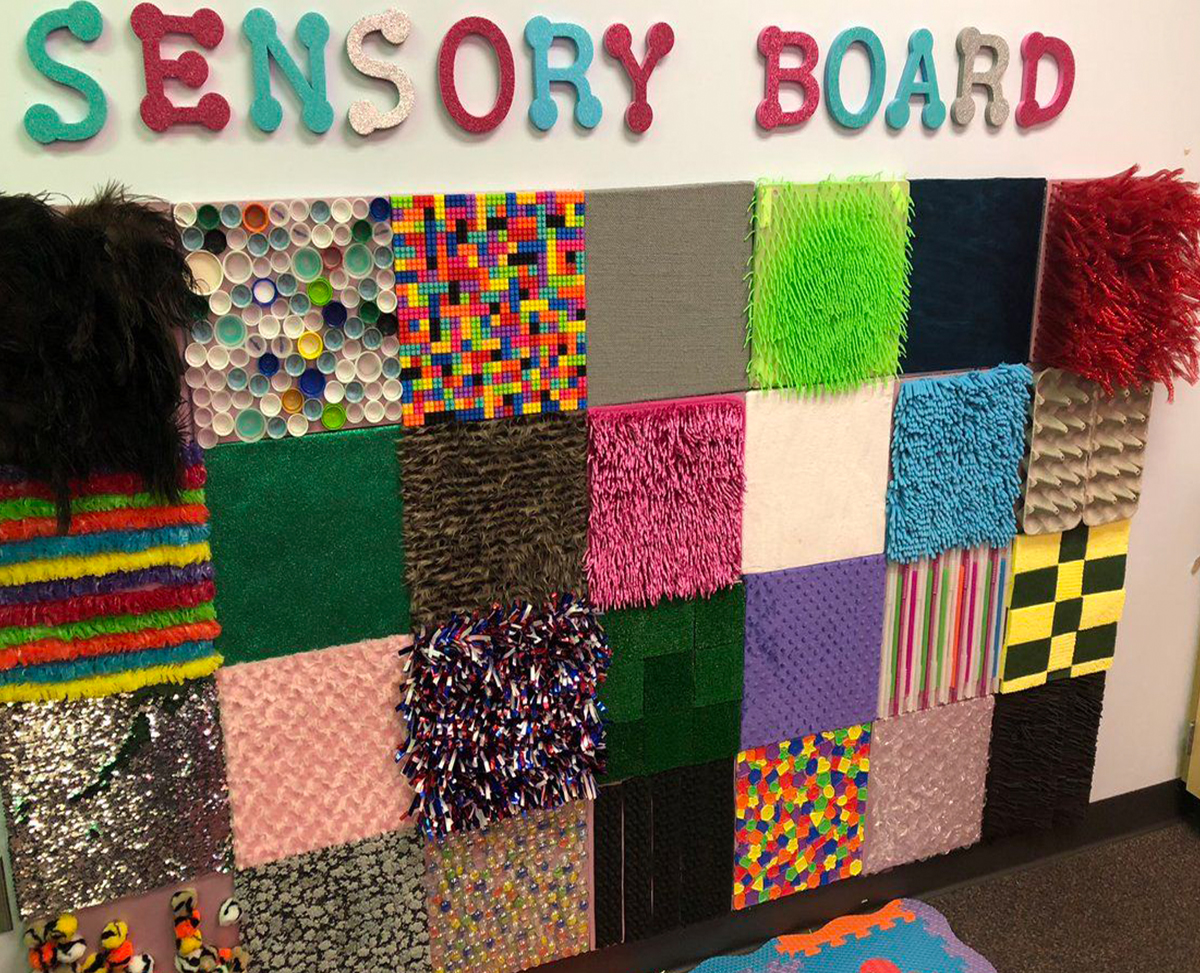
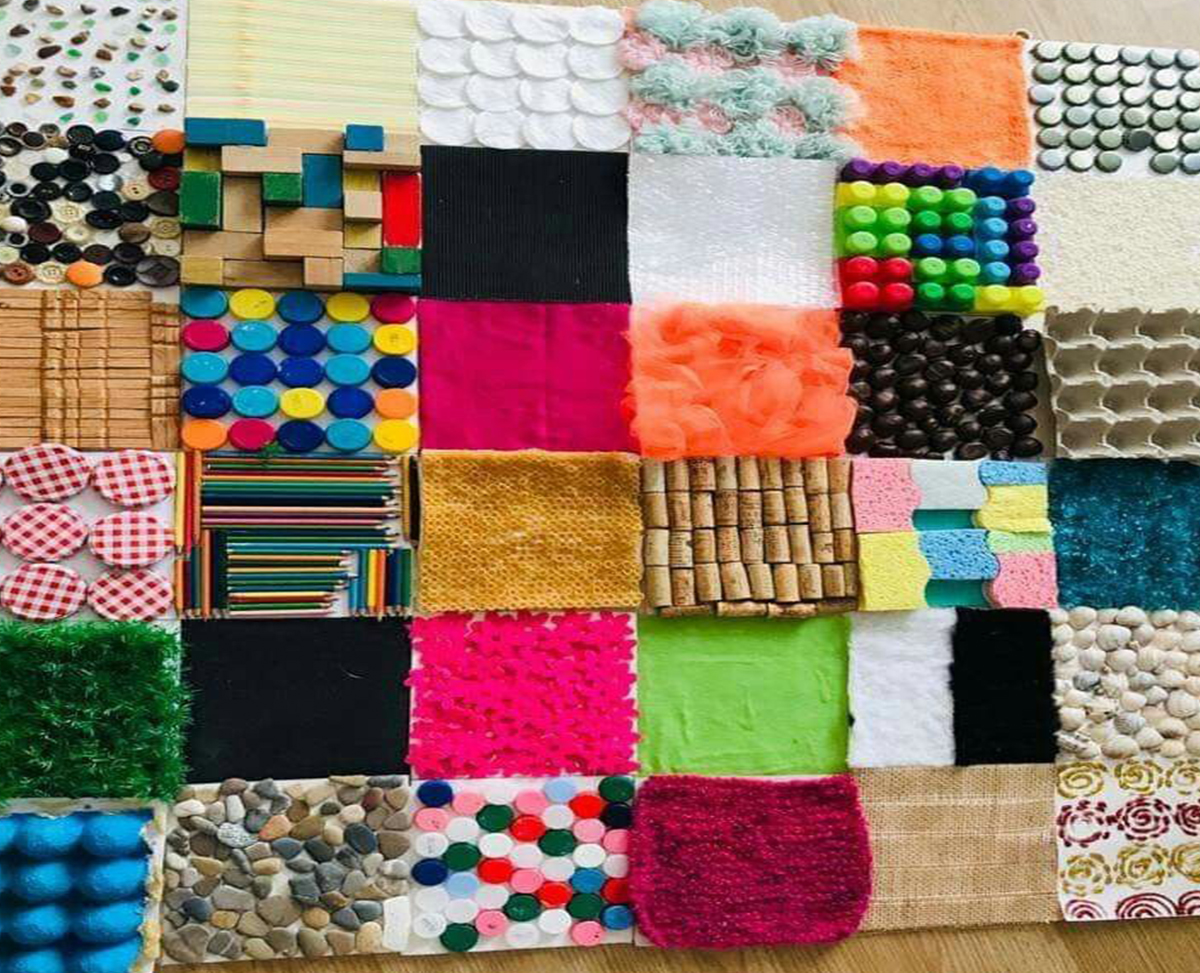
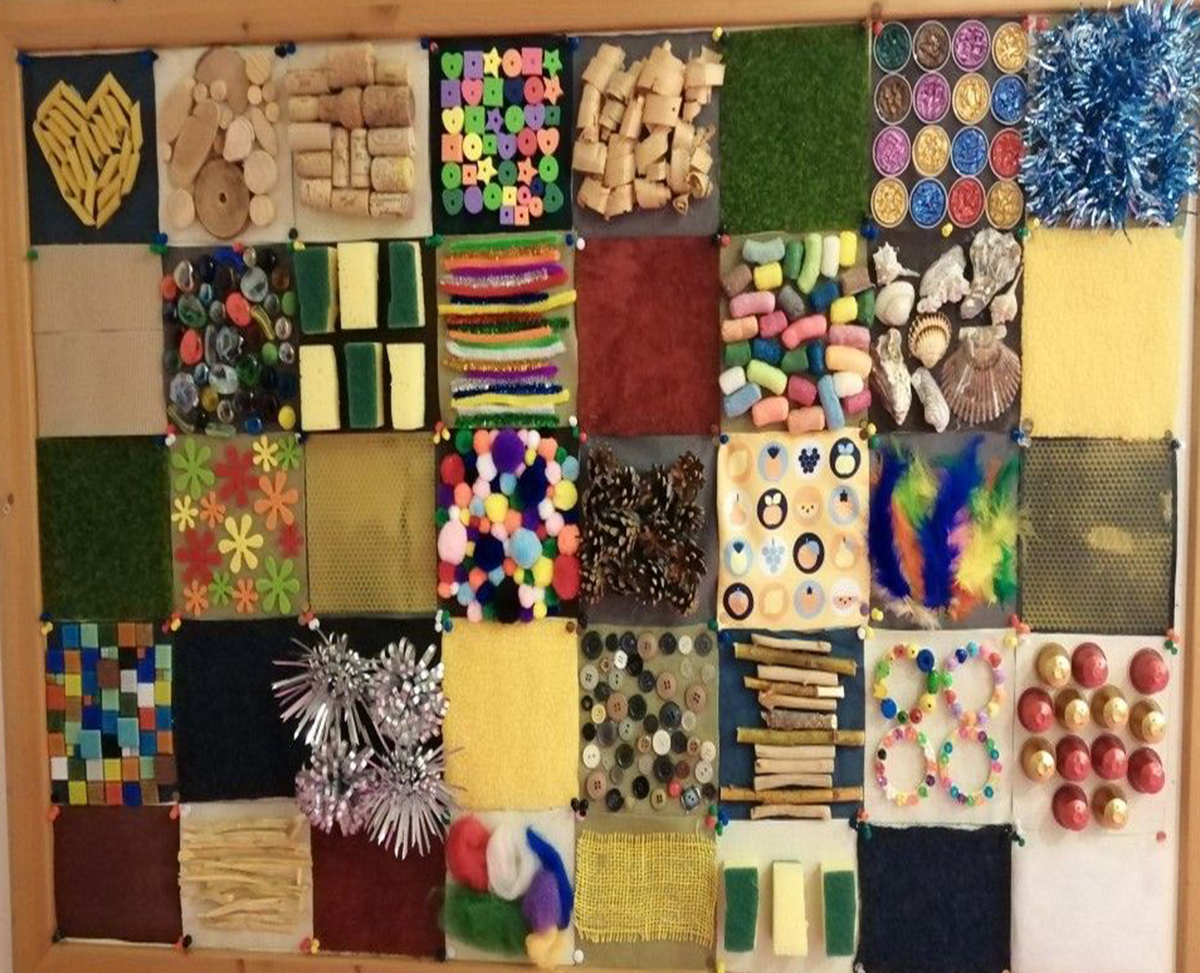
| Touch | Sandpaper, fabric swatches, beads | Builds tactile awareness |
| Sight | Mirrors, colored lights, shapes | Enhances visual tracking |
| Sound | Bells, rattles, squeakers | Develops auditory recognition |
| Movement | Wheels, gears, sliders | Strengthens motor planning |
| Practical Life | Locks, latches, zippers | Encourages everyday skill practice |
Designing a Sensory Board
When creating or selecting a sensory board, consider:
- Safety First: Ensure all items are securely fastened and free of sharp edges.
- Age Appropriateness: Choose elements suited to the child’s developmental stage.
- Variety: Mix textures, colors, and functions to keep exploration engaging.
- Cultural Relevance: Incorporate familiar household items or symbols to foster belonging.
- Scalability: Boards can evolve—start simple and add complexity as children grow.
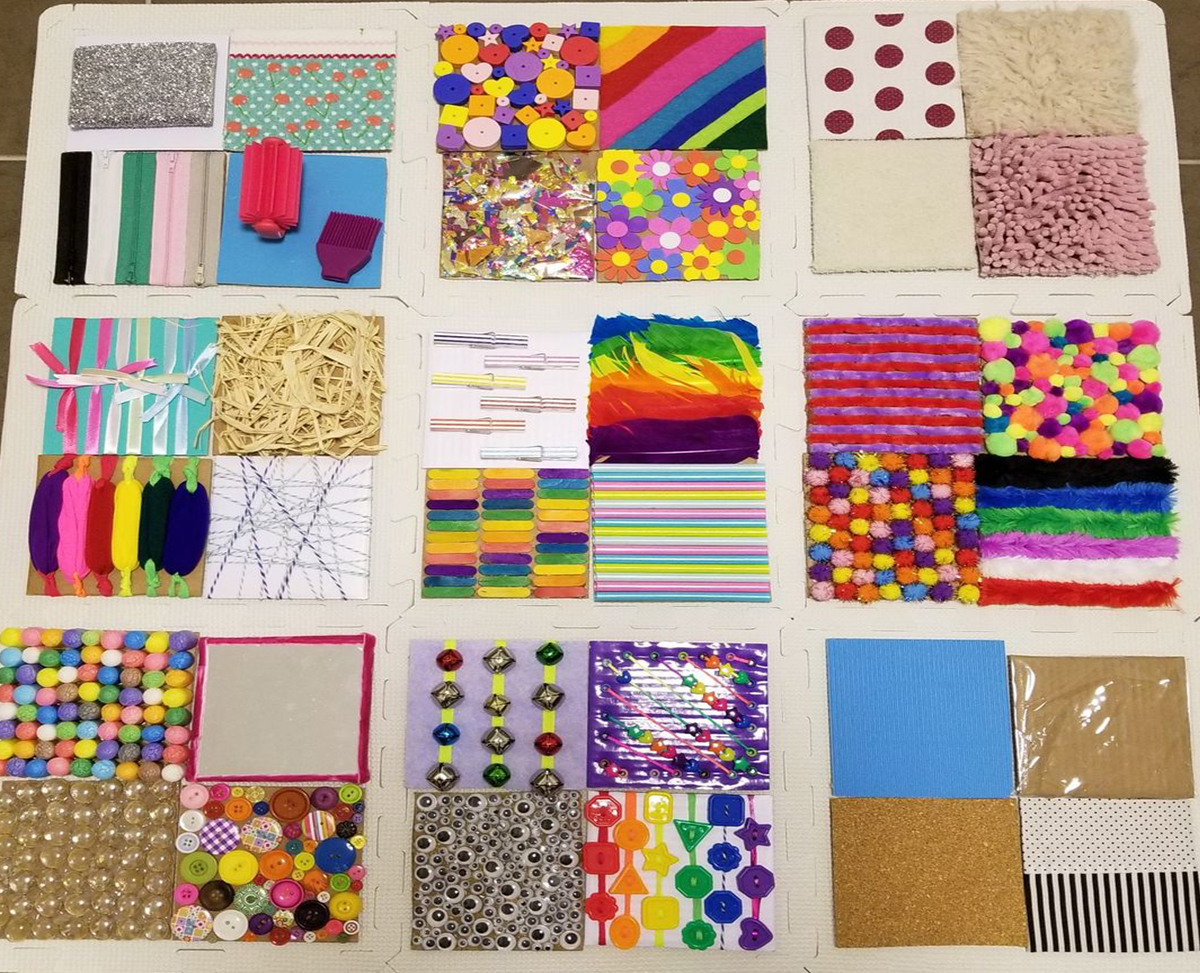
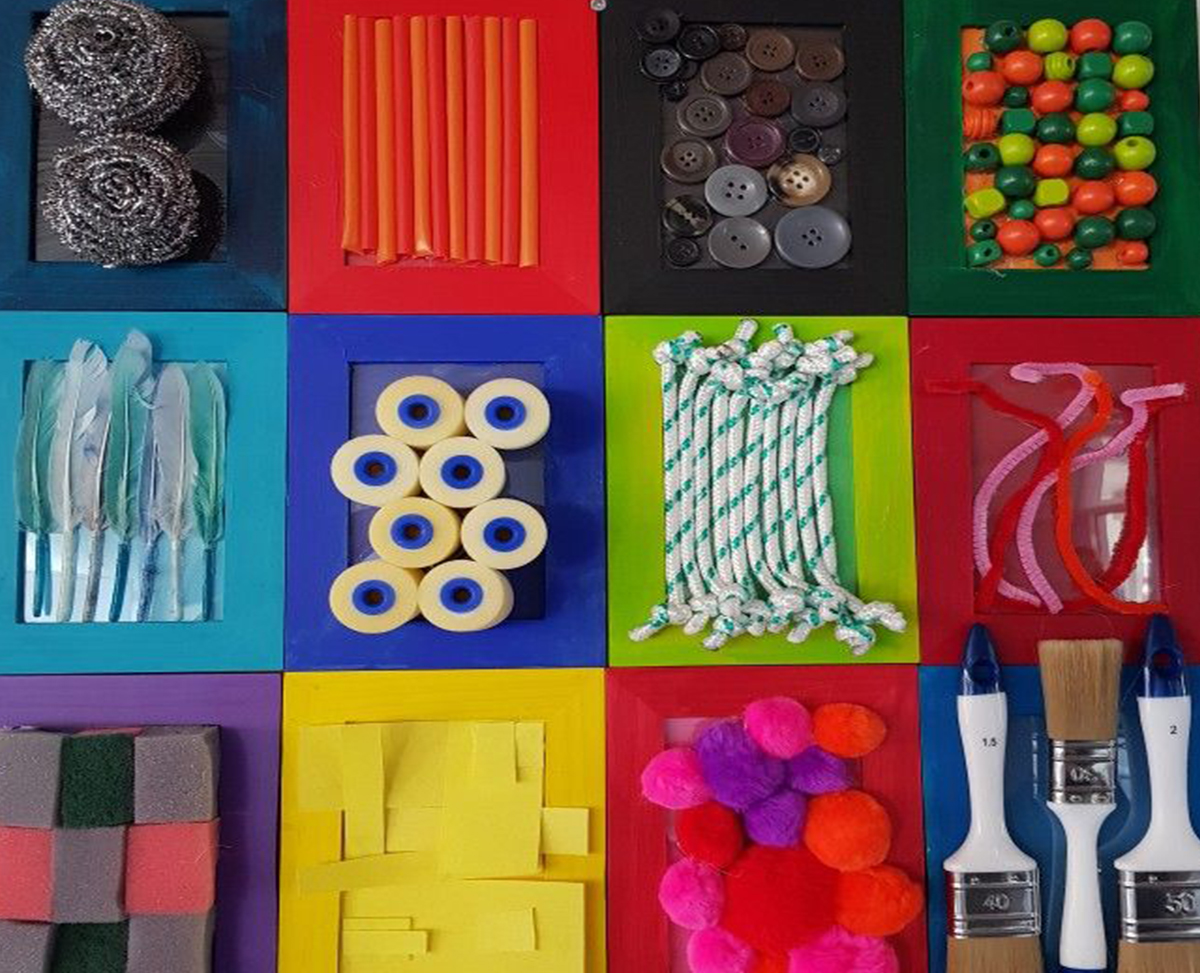
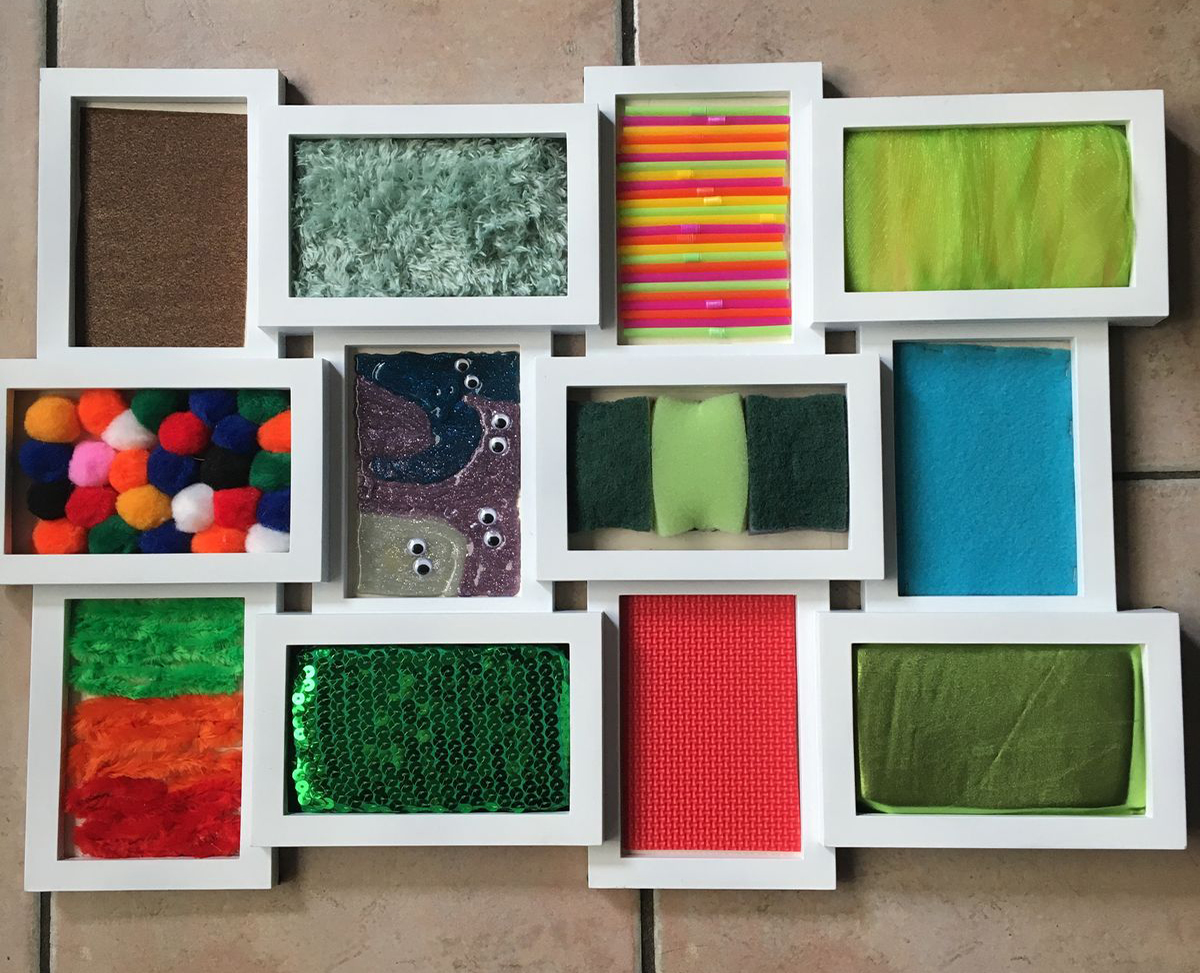
Photo Ideas
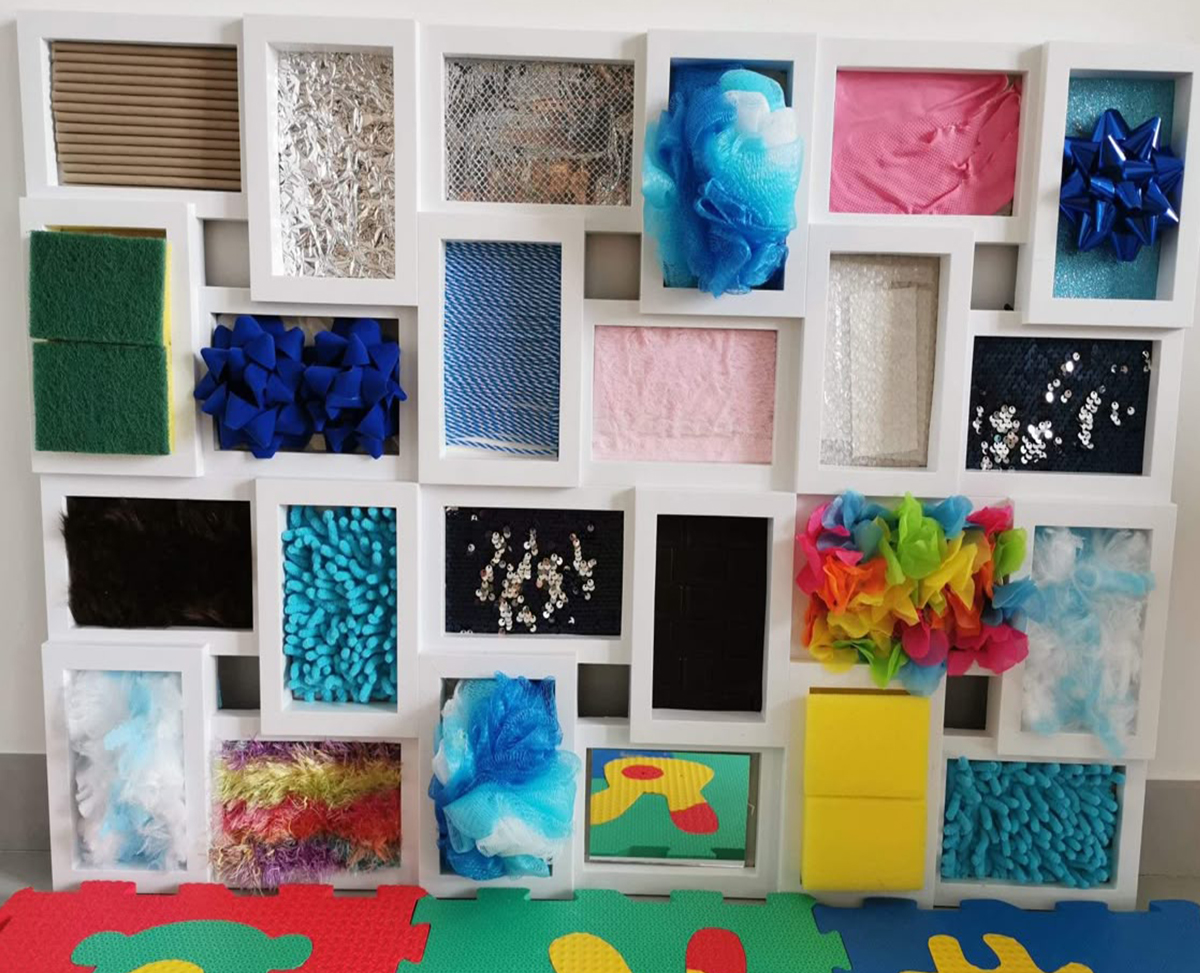
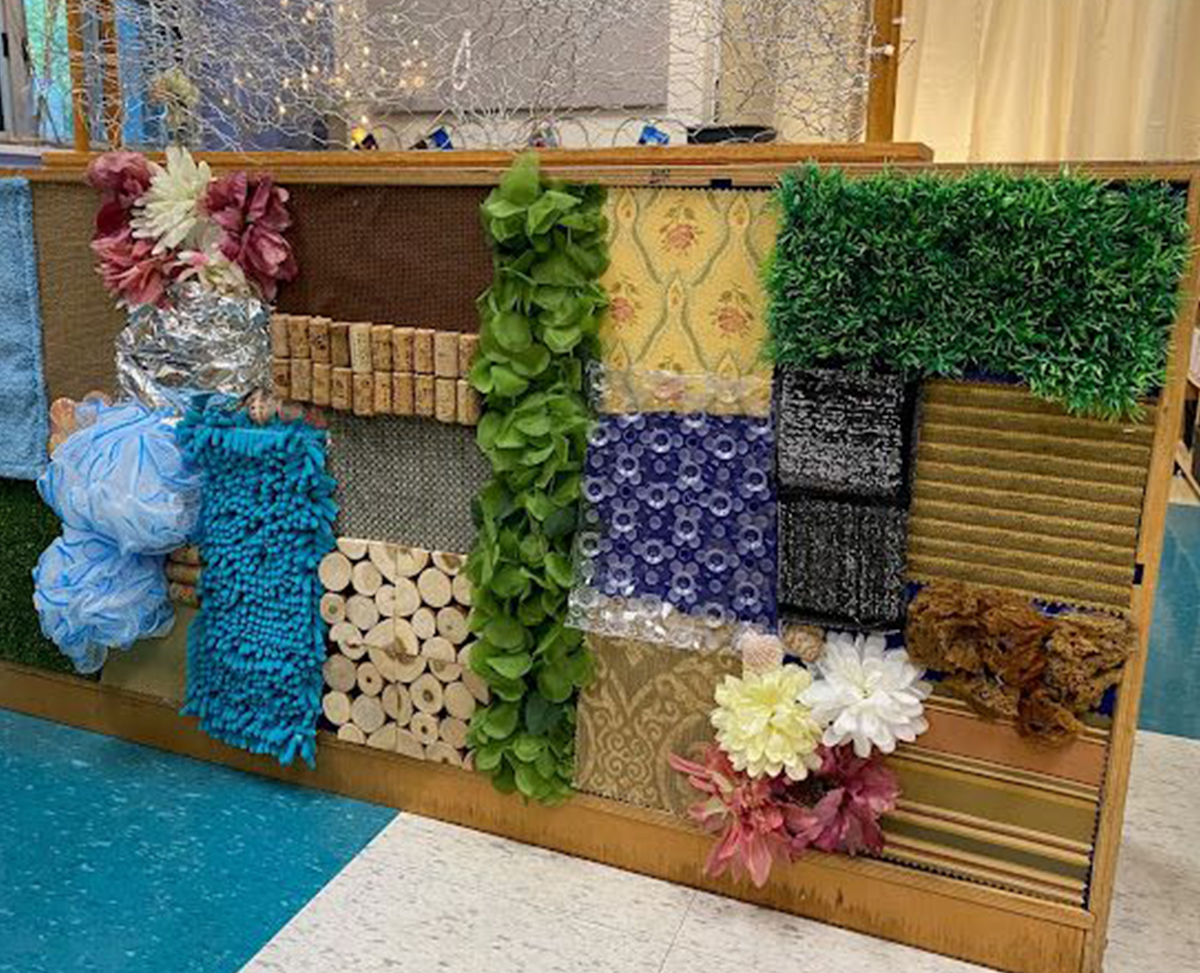
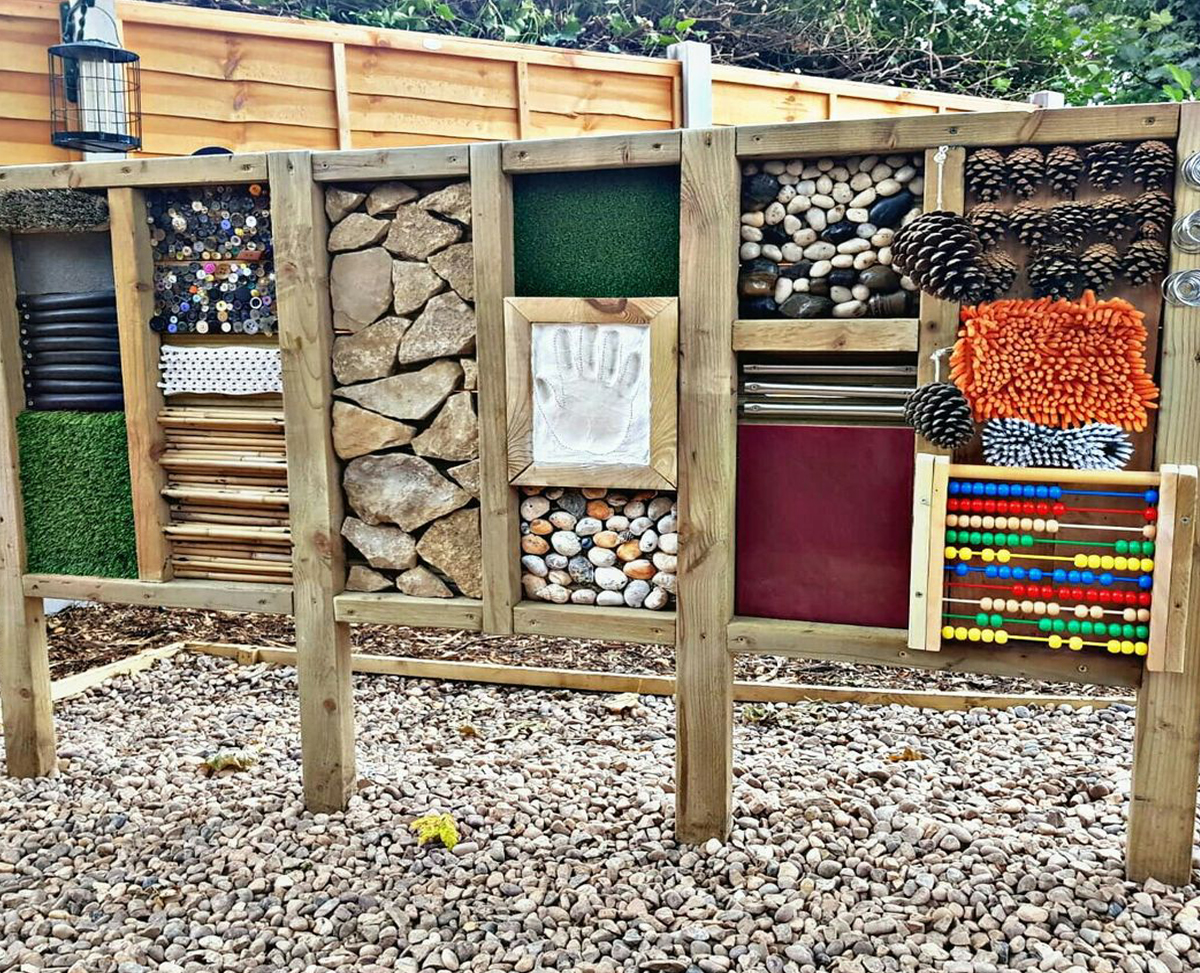
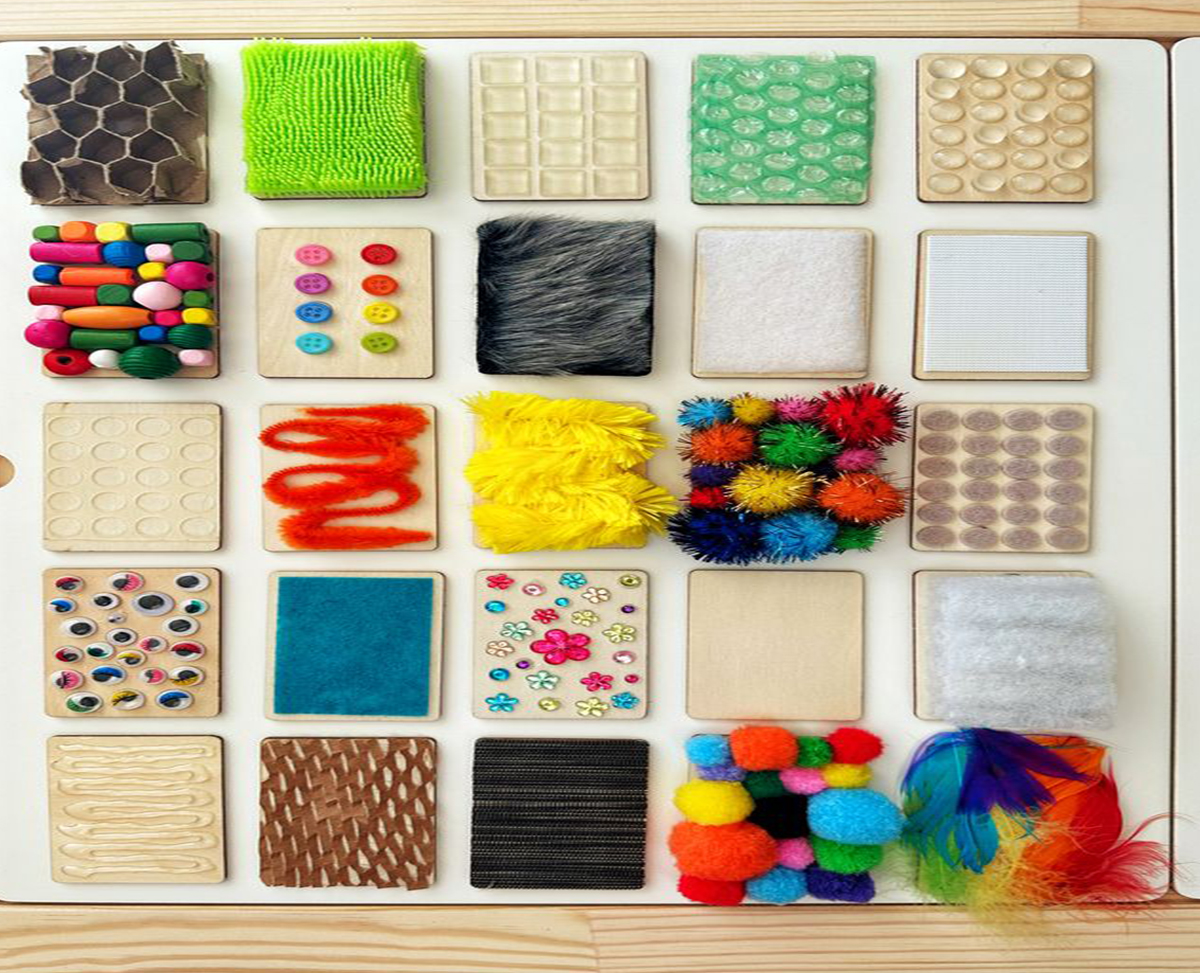
Practical Strategies for Educators
1. Start with Intentional Design
-
Link to Learning Outcomes: Align board elements with curriculum goals (e.g., fine motor skills, problem-solving, sensory exploration).
-
Age-Appropriate Choices: For toddlers, focus on simple textures and sounds; for preschoolers, add locks, gears, and sequencing activities.
-
Cultural Relevance: Include familiar household items or symbols that reflect children’s backgrounds.
2. Embed Boards into Daily Routines
-
Transition Tool: Use boards during arrival or quiet times to ease transitions.
-
Choice Stations: Offer sensory boards as part of free-choice play, encouraging autonomy.
-
Small Group Work: Rotate children through guided sensory board activities to observe skills in detail.
3. Scaffold Exploration
-
Model First: Demonstrate how to use a latch or slider, then invite children to try.
-
Prompt Thinking: Ask reflective questions like “What happens when you turn this knob?”
-
Encourage Collaboration: Pair children to solve challenges together, fostering social learning.
Tips for Effective Use
-
Safety First: Regularly check that items are secure and free from hazards.
-
Rotate Elements: Refresh boards with new textures or objects to sustain interest.
-
Inclusive Design: Adapt boards for children with sensory sensitivities (e.g., softer textures, muted sounds).
-
Family Engagement: Invite families to contribute items from home, strengthening connections.
-
Reflective Practice: After sessions, ask yourself: What skills did children demonstrate? How can I extend this learning tomorrow?
Sensory boards are more than playthings; they are learning landscapes. They invite children to touch, listen, see, and move, transforming everyday exploration into meaningful developmental progress. For educators, they also serve as documentation tools: observing how a child interacts with a board can reveal strengths, preferences, and areas needing support.
Further Reading
Benefits Of Sensory Play
Sensory Play for Children
Sensory Processing
Why Sensory Experiences Matter
Rethinking Sensory Play: Moving Beyond Food-Based Materials
Sensory Bin Ideas For Toddlers and Preschoolers
Sensory Processing Activities For Children To Increase Attention
Image References:
Image 1 - MindfulkidstvmIldikó, Pinterest
Image 2 - Molnár, Pinterest
Image 3 - Patricia Ebner, Pinterest
Image 4 - Noémie Jurgaud, Pinterest
Image 5 - Orom Risktakers, Pinterest
Image 6 - Gro-Organic CIC, Pinterest
Image 7 - Kayla McVey, Pinterest
Image 8 - Maayan Frishman-Frimer, Pinterest
Image 9 - Belevingsgericht aan de slag, Pinterest
Image 10 - No Name, Pinterest




 The Children’s Services Award introduces a streamlined classification system and updated pay rates designed to better recognise the skills, qualifications, and responsibilities of early childhood
 The Children’s Services Award has 8 clear levels. These levels make it easier to understand where you fit, based on your experience, qualifications, and responsibilities.
 When working as a qualified early childhood teacher (with a university degree) within a service, your rate of pay will come from the Educational Services
 Diploma-qualified educators play a vital role in early childhood services, taking on responsibilities that range from supporting children’s learning and development to leading rooms and
 Certificate III qualified educators form the backbone of early childhood services, providing essential care and learning support for children across all settings. Their wages under
 Early Childhood Teachers (ECTs) play a vital role in leading curriculum and pedagogy in early learning settings. Regulation 272 of the Education and Care Services
 Discover how school readiness programs support children’s independence, confidence, and skills for a successful transition into primary school.
 When an Educator is not performing their tasks or responsibilities at best practice, these issues need to be addressed for the Educator to understand where
 Educators can maximise tax deductions by claiming classroom supplies, training, union fees, and home office costs this financial year.
 A staff appraisal is a formal, systematic process of determining and reviewing the performance of early childhood educators over a period of time, usually a