
Discover open‑ended play photo ideas for early childhood. Strategies, challenges, and creative activities to foster learning and wellbeing.
Open‑ended play allows children to explore, experiment, and create without fixed outcomes. It fosters problem‑solving, imagination, and resilience, aligning with EYLF Outcome 4 (Children are confident and involved learners) and QA1 (Educational program and practice). The following photo ideas highlight practical ways educators can embed open‑ended play into everyday routines.
Balancing Cups and Craft Sticks
Strategies for Educators:
-
Encourage children to test balance and weight distribution.
-
Extend learning by asking: “What happens if we add more bears?”
-
Link to STEM concepts of engineering and physics through play.
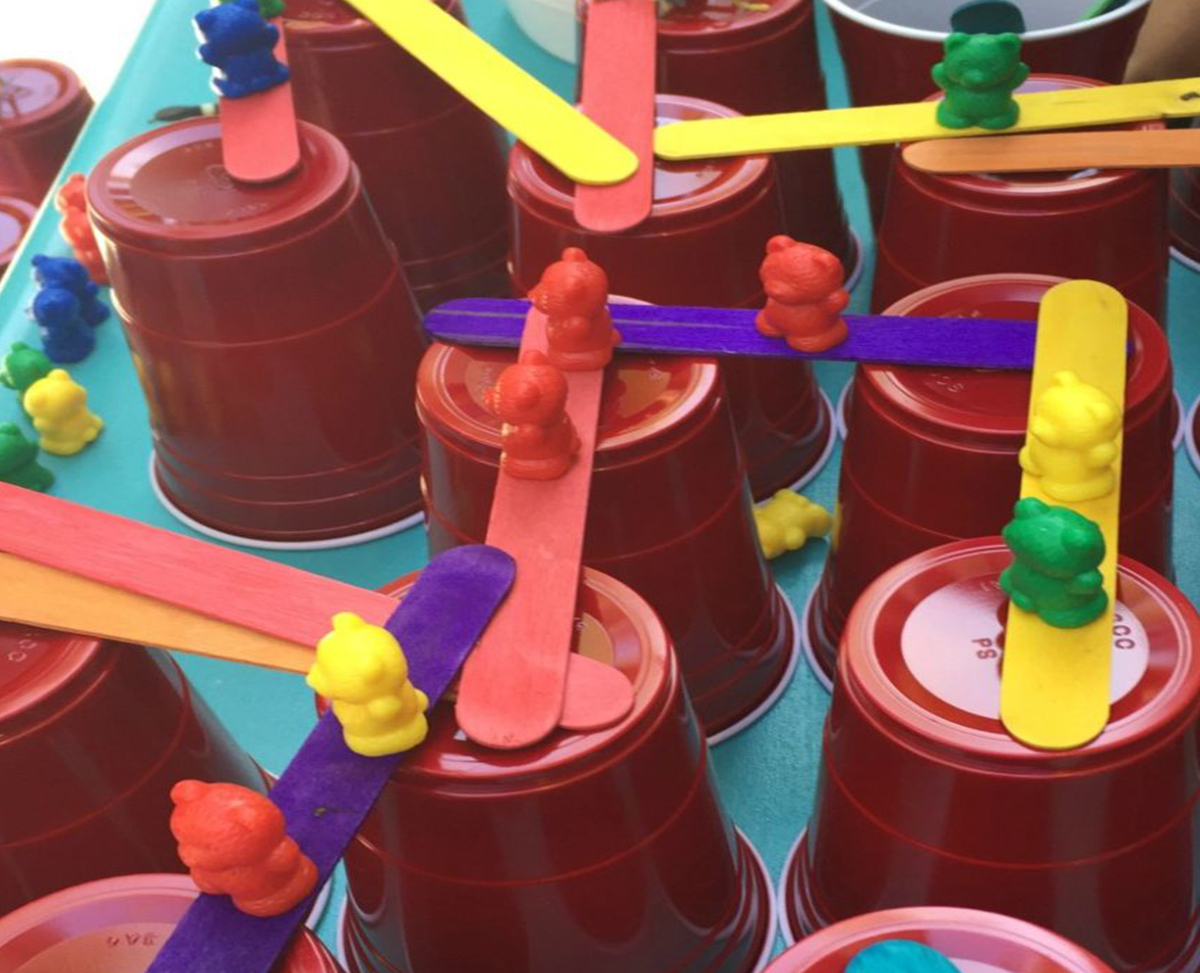
Image Reference: Ms Stepanie's Preschool, Pinterest
Animals and Tape Wall Play
Strategies for Educators:
-
Prompt children to create rescue or adventure narratives.
-
Encourage sorting by colour or type for classification skills.
-
Support creativity by allowing children to reposition and retell stories.
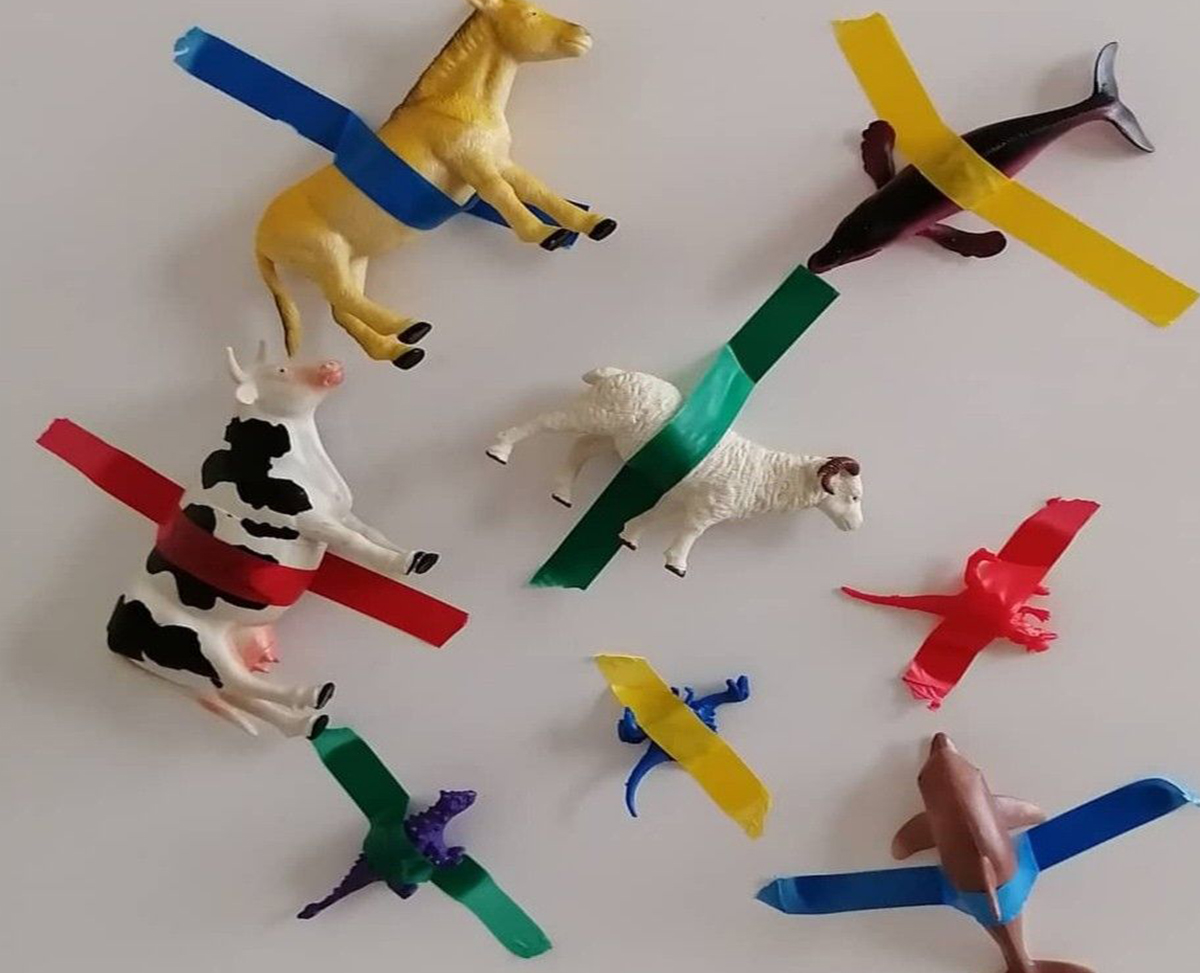
Image Reference: Flz Onr, Pinterest
Animal Shadows Exploration
Animal figurines cast surprising shadows, sparking curiosity about perspective.
Strategies for Educators:
-
Invite children to compare figurines with their shadows.
-
Extend into science discussions on light and reflection.
-
Encourage children to draw or trace shadows for art integration.
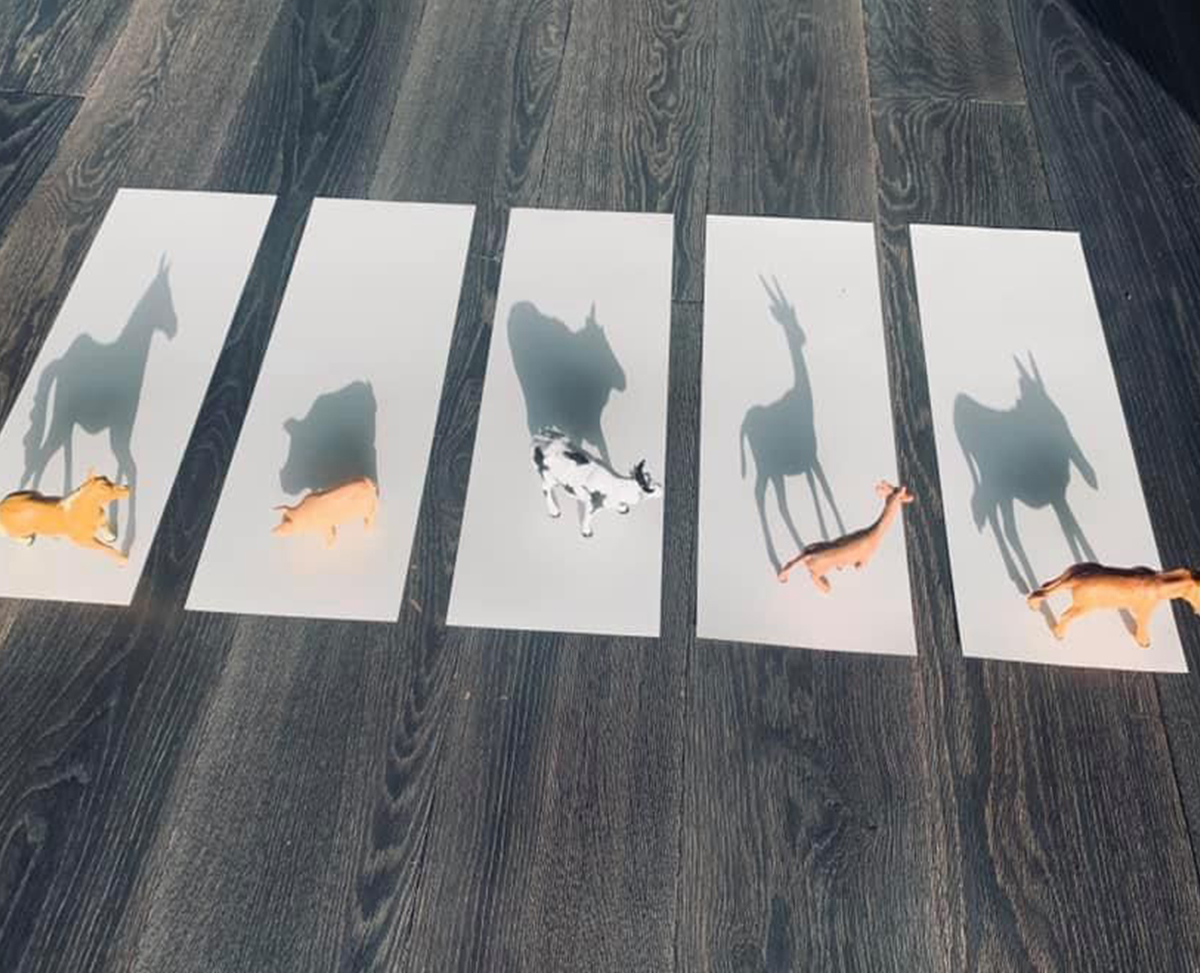
Image Reference: Janne Six, Pinterest
Bottle Cap Colour Sorting
Strategies for Educators:
-
Provide opportunities for pattern creation.
-
Encourage children to invent their own sorting rules.
-
Link to numeracy by counting caps in each colour group.
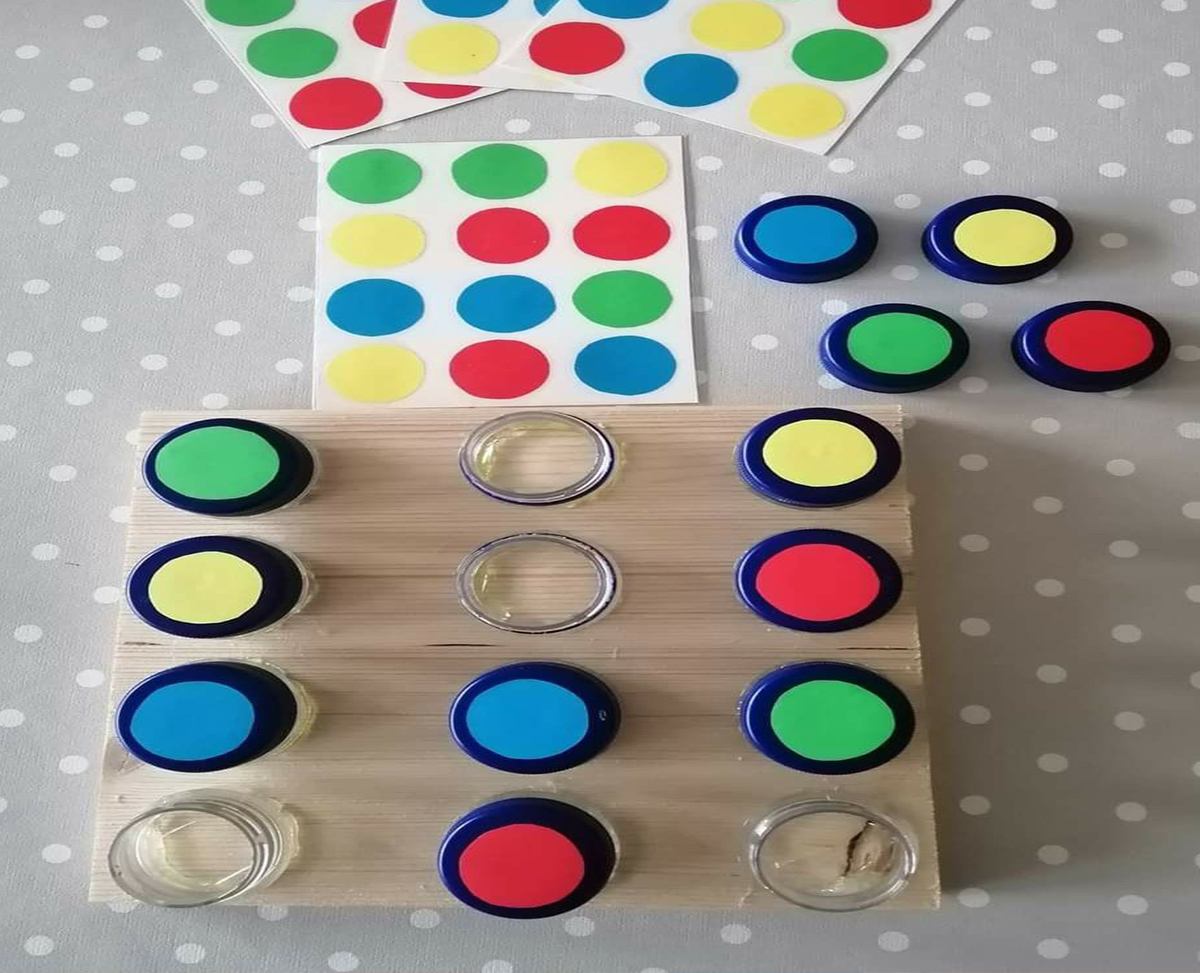
Image Reference: Petz, Pinterest
Stacking Colour Balls
Strategies for Educators:
-
Encourage children to replicate or invent new patterns.
-
Use cards for memory and matching games.
-
Support problem‑solving by asking, "What comes next?”

Image Reference: A Cordova, Pinterest
Cube Pattern Building
Strategies for Educators:
-
Encourage trial‑and‑error problem‑solving.
-
Support collaboration by having children build together.
-
Link to spatial reasoning and design thinking.
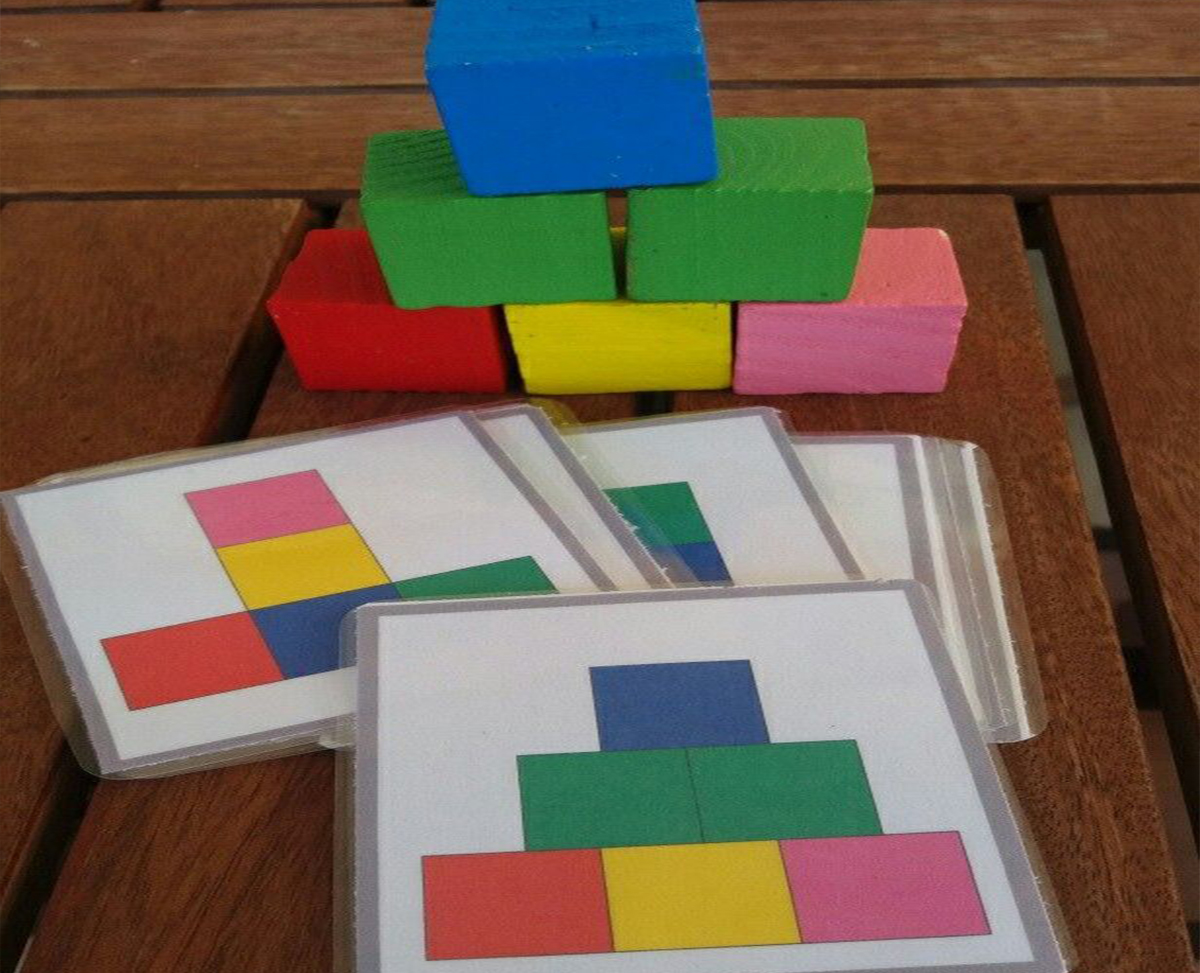
Image Reference: Rossy Aguilar Ruiz, Pinterest
Pop‑It and Pom‑Pom Sorting
Strategies for Educators:
-
Encourage sorting by colour, size, or pattern.
-
Use tweezers to strengthen hand‑eye coordination.
-
Support mindfulness by pairing with calm breathing.
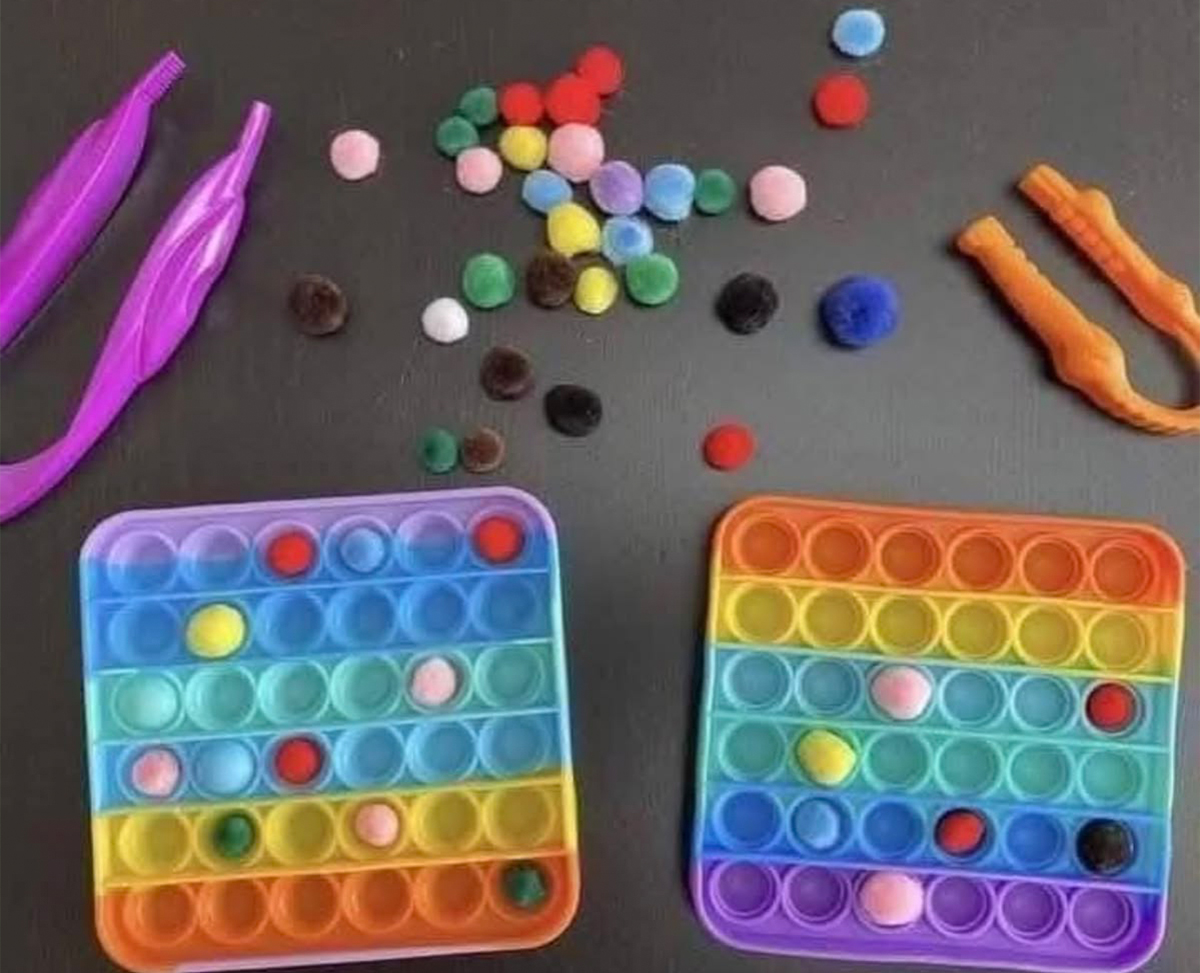
Image Reference: 1 Passionate Teacher, Pinterest
Button Tree Craft
Strategies for Educators:
-
Encourage children to design their own tree themes.
-
Link to storytelling: “Who lives in your button tree?”
-
Support fine motor skills through threading and arranging.
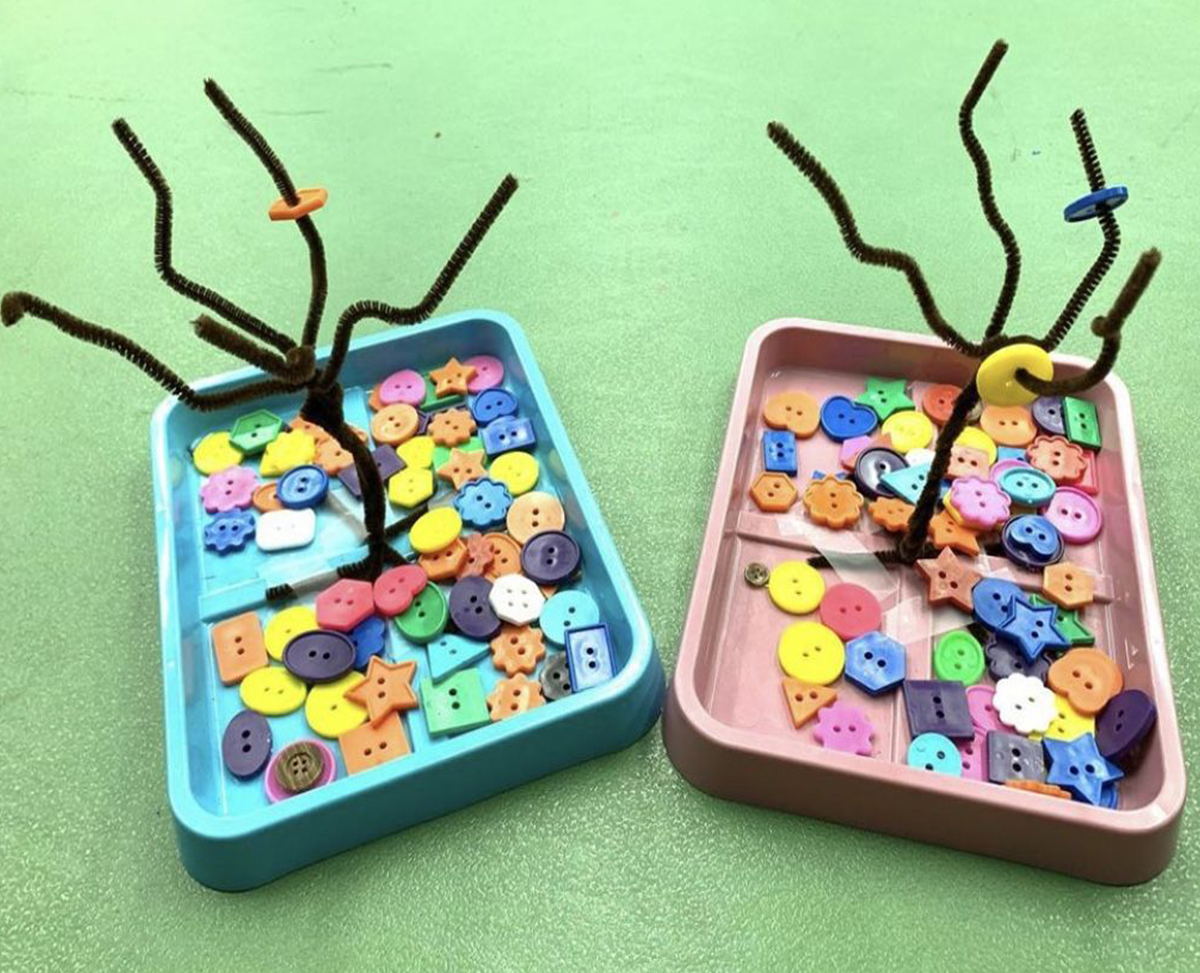
Image Reference: Jaime, Pinterest
Practical Strategies for Educators
-
Offer Loose Parts: Provide materials like cups, sticks, stones, and buttons for open‑ended exploration.
-
Encourage Experimentation: Allow children to test, fail, and try again without fixed outcomes.
-
Link to EYLF: Highlight connections to identity, wellbeing, and confident learning.
-
Document Learning: Capture photos and reflections to share with families.
Open‑ended play empowers children to explore, imagine, and problem‑solve in meaningful ways. By embedding these photo ideas into everyday practice, educators foster creativity, resilience, and confident learning. With thoughtful strategies and awareness of challenges, open‑ended play becomes a cornerstone of quality early childhood education.
Further Reading
Open Ended Play Materials
Open Ended Play Resources For Babies
Importance Of Using Open Ended Questions
Unstructured Play Materials For Children



 The Children’s Services Award introduces a streamlined classification system and updated pay rates designed to better recognise the skills, qualifications, and responsibilities of early childhood
 The Children’s Services Award has 8 clear levels. These levels make it easier to understand where you fit, based on your experience, qualifications, and responsibilities.
 When working as a qualified early childhood teacher (with a university degree) within a service, your rate of pay will come from the Educational Services
 Diploma-qualified educators play a vital role in early childhood services, taking on responsibilities that range from supporting children’s learning and development to leading rooms and
 Certificate III qualified educators form the backbone of early childhood services, providing essential care and learning support for children across all settings. Their wages under
 Early Childhood Teachers (ECTs) play a vital role in leading curriculum and pedagogy in early learning settings. Regulation 272 of the Education and Care Services
 Discover how school readiness programs support children’s independence, confidence, and skills for a successful transition into primary school.
 When an Educator is not performing their tasks or responsibilities at best practice, these issues need to be addressed for the Educator to understand where
 Educators can maximise tax deductions by claiming classroom supplies, training, union fees, and home office costs this financial year.
 A staff appraisal is a formal, systematic process of determining and reviewing the performance of early childhood educators over a period of time, usually a