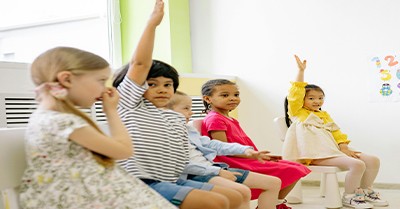
In early childhood education, children are not just learners; they are active participants in shaping their environments. One emerging practice gaining traction among educational leaders is the establishment of a children’s council. This initiative provides children with a structured platform to express their ideas, make decisions, and contribute to the life of the centre.
What is a Children’s Council?
A children’s council is a regular meeting—often monthly—where children gather to discuss topics that affect their daily experiences. Guided by educators, the council encourages democratic participation, critical thinking, and collaboration.
Why Introduce a Children’s Council?
- Agency and Voice: Children learn that their opinions matter and can influence real outcomes.
- Decision-Making Skills: Councils nurture negotiation, compromise, and problem-solving.
- Community Building: Shared decision-making fosters respect and responsibility.
- Alignment with EYLF: Embedding children’s voices reflects the Early Years Learning Framework’s emphasis on participation and belonging.
What Can Children Decide On?
Educators in practice have explored a wide range of council topics:
- Menus and Food Choices – Children suggest meals or snacks, encouraging healthy discussions about nutrition.
- Play Spaces – Councils can help design or revamp indoor and outdoor environments.
- Excursions and Events—Children propose outings or special celebrations.
- Safety and Risk Assessments—Older children may contribute to identifying safe practices.
- Learning Projects – Councils can vote on themes or topics for inquiry-based learning.
Challenges and Considerations
- Age Appropriateness: Younger children may need visual aids, prompts, or simplified choices.
- Inclusivity: Ensure all voices are heard, not just the most confident.
- Scaffolding: Educators play a vital role in guiding discussions and translating ideas into action.
- Documentation: Recording council decisions helps track progress and demonstrates children’s agency during assessments and reviews.
Practical Steps to Get Started
- Set a Schedule—Monthly meetings work well for consistency.
- Create a Ritual—Use a special space, talking stick, or council badge to mark the occasion.
- Prepare Topics—Offer 2–3 focus areas each meeting to keep discussions manageable.
- Follow Through—Implement children’s suggestions where possible, and explain decisions transparently when not.
- Reflect Together—Encourage children to evaluate outcomes of their decisions.
A children’s council is more than a meeting—it’s a commitment to honouring children’s voices. By embedding this practice, centres cultivate democratic values, strengthen community, and empower children to see themselves as capable contributors.
Further Reading
Capturing Children's Voices In Early Childhood Settings
Child-Centered Learning
Gathering Children's Voices For The Program
Child Centred Approach




 The Children’s Services Award introduces a streamlined classification system and updated pay rates designed to better recognise the skills, qualifications, and responsibilities of early childhood
 The Children’s Services Award has 8 clear levels. These levels make it easier to understand where you fit, based on your experience, qualifications, and responsibilities.
 When working as a qualified early childhood teacher (with a university degree) within a service, your rate of pay will come from the Educational Services
 Diploma-qualified educators play a vital role in early childhood services, taking on responsibilities that range from supporting children’s learning and development to leading rooms and
 Certificate III qualified educators form the backbone of early childhood services, providing essential care and learning support for children across all settings. Their wages under
 Early Childhood Teachers (ECTs) play a vital role in leading curriculum and pedagogy in early learning settings. Regulation 272 of the Education and Care Services
 Discover how school readiness programs support children’s independence, confidence, and skills for a successful transition into primary school.
 When an Educator is not performing their tasks or responsibilities at best practice, these issues need to be addressed for the Educator to understand where
 Educators can maximise tax deductions by claiming classroom supplies, training, union fees, and home office costs this financial year.
 A staff appraisal is a formal, systematic process of determining and reviewing the performance of early childhood educators over a period of time, usually a