


The years between five and twelve are a time brimming with activity for children – they are developing close friendships, getting stronger in body and mind as well as widening their circle of hobbies and interests. While all this exploration makes for great learning and excitement, also sets the stage for some challenging behaviour. The following article provides information on strategies that Educators can use to promote positive behaviour in OOSH services.
Sharing is challenging for children, especially toddlers. This happens frequently during the development process. The first step in teaching children to share is realising and accepting this. The following article provides information on the Benefits Of Learning To Share, Social Development In Babies and Toddlers, How To Encourage Sharing and more.

Consequences are one of the most effective principles of behaviour management in ECEC settings, as they show children the probable results of their own actions. There are two types of consequences used most often – natural and logical. The following article provides information on Natural consequences, How To Use Natural consequences, Logical consequences and more.
Saying sorry is among the earliest lessons in interpersonal behaviour that children learn when growing. There are indeed many benefits of an apology but adults forget that almost always they depend on both sides genuine feeling the emotions rather than being forced to go through the motions. The following article provides strategies to support children to say sorry more meaningfully.
Aggression is a type of behaviour that is triggered by the intention of causing harm to another person who wishes to avoid that harm. Violence is an extreme subtype of aggression, a physical behaviour with the intention of permanently injuring another person. The following article will provide information on What Is Aggressive Behaviour, Prevention Strategies, Intervention Strategies and more.

Redirection is among the most effective proactive behaviour guidance methods in young children. It consists of simple cues or instructions that prevent problem behaviours from escalating and help children to be more engaged in their learning.
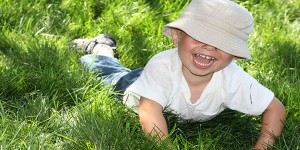
Among the most significant indicators of emotional well-being is positive self-esteem. Like with many other cognitive and physical skills, self-esteem too develops as the result of interactions with environment and people. The following article provides information on What Is Self Esteem, How Self Esteem Develops, Self Esteem Strategies For Babies, Toddlers and Preschoolers.

Saying sorry is among the earliest lessons in interpersonal behaviour that children learn when growing up. There are indeed many benefits of an apology but sometimes we forget that almost always they depend on both sides genuine feeling the emotions rather than being forced to go through the motions. The following article provides information on the Importance Of Apologising and Strategies To Support Children In Saying Sorry.

Parents may be barred from hitting their children after a study found that physical punishment increased the chance of anxiety.
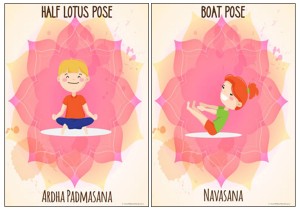
The Yoga Poses For Children Posters illustrate 16 different yoga poses/asanas for children to practice. Each poster demonstrates the child's yoga pose/asana, followed by the yoga pose name in English and Sanskrit. These are great to be used as a display or refer to when teaching children.
When children practise yoga it increases their confidence, builds concentration and strengthens growing bodies. For children with behavioural issues, yoga can improve their impulses in a positive direction and provides them with an outlet as a way to manage their behaviour.
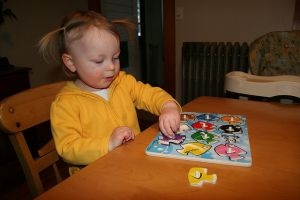 Toddlers have a greater understanding of the world around them by this stage. Their cognitive development (also known as intellectual development and thinking skills) continues… Read More
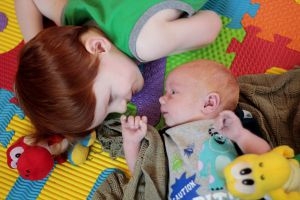 Infants begin to develop trust when parents begin to fulfil their needs. Such as changing an infant's nappy when needed, feeding on request and holding… Read More
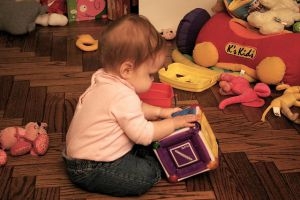 Beginning at birth the construction of thought processes, such as memory, problem solving, exploration of objects etc, is an important part of an infant’s cognitive… Read More
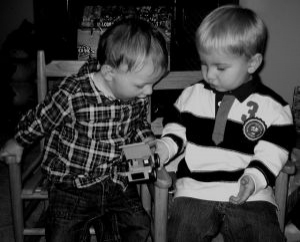 Toddlers want to do more on their own and do not like it when you begin to establish limits on their behaviour. Tantrums can become… Read More
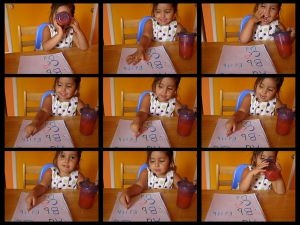 Your preschooler is now able to focus their attention more accurately and is less influenced by distractions. The intensity of questions increase as your child… Read More
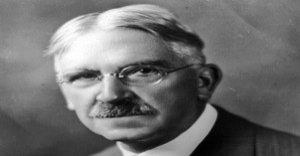 John Dewey is often seen as the proponent of learning by doing – rather than learning by passively receiving. He believed that each child was active,… Read More
 Erik Erikson developed a psychosocial theory to understand how we each develop our identities through eight stages of psychosocial development from infancy to adulthood. The… Read More
 Toddler advance and gains new skills in Gross Motor Development milestones achieved throughout earlier years. Co-ordination and challenges that could not be performed before such… Read More
 At this point preschoolers begin to interact effectively with others. Play becomes more innovative and organized and “boyfriend” or “girlfriend” begins to emerge. Preschoolers have… Read More
 From now, babies begin to identify and respond to their own feelings, understanding other's feelings & needs and interact positively with others. A baby's social and… Read More

In early childhood education, behaviour is never just “bad” it’s a message. Whether it’s a...
See more...
Autism is a disorder of neural development characterized by impaired social interaction and communication, and...
See more...
Fine motor skills have improved during this point, with increased concentration and patience. These improvements...
See more...