In early childhood education, play is the foundation of learning. Two powerful spaces—the block area and the construction area—offer children opportunities to explore, create, and problem-solve. While often treated separately, combining these areas can enrich children’s experiences and deepen their developmental outcomes.
The Block Area: Precision and Pattern
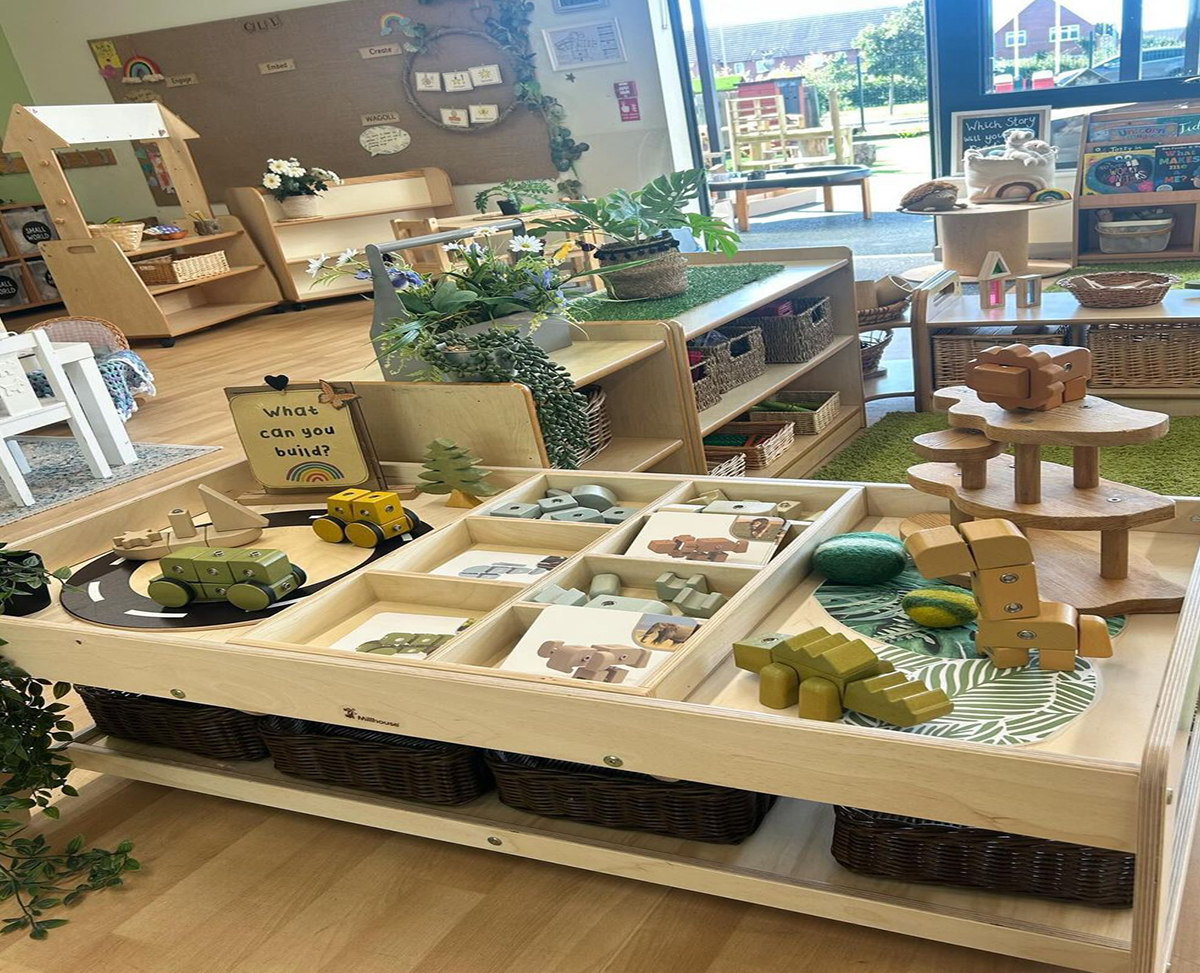
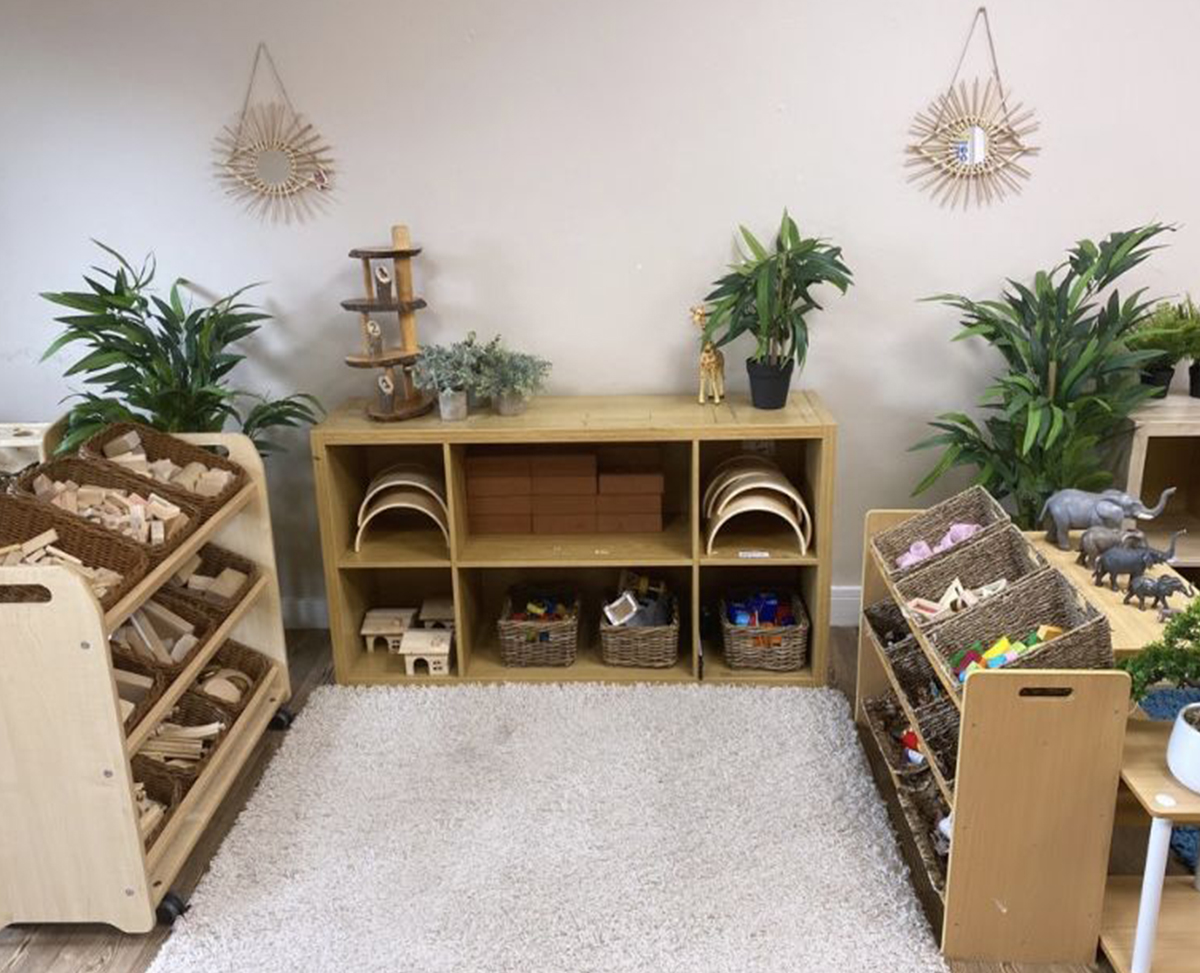
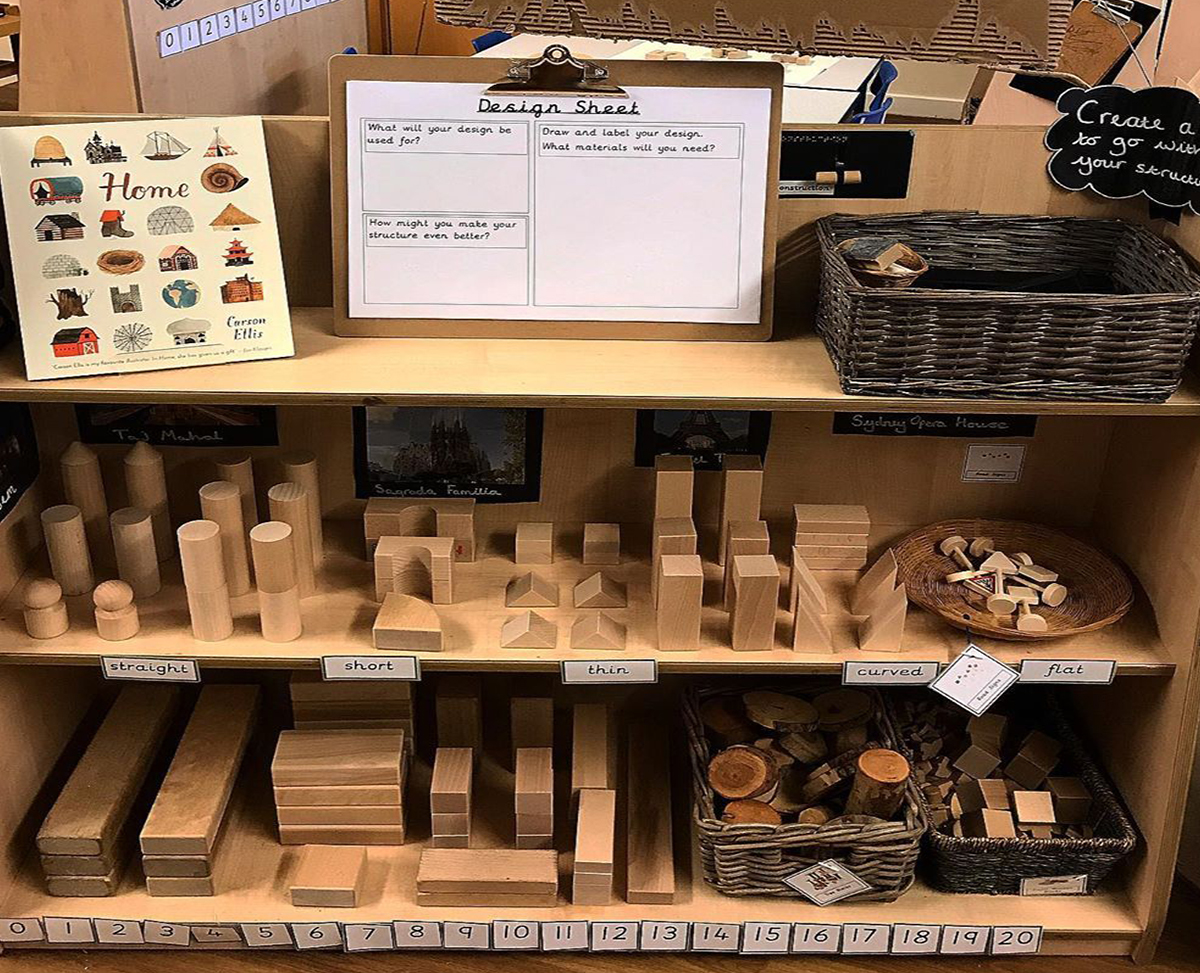
The block area is a familiar classroom staple. With wooden unit blocks, Lego, or foam sets, children learn:
- Spatial awareness through stacking, balancing, and symmetry.
- Mathematical concepts such as measurement, classification, and geometry.
- Persistence and resilience as they test structures and rebuild after collapse.
Block play provides a structured environment where trial and error leads to mastery.
The Construction Area: Creativity Without Limits
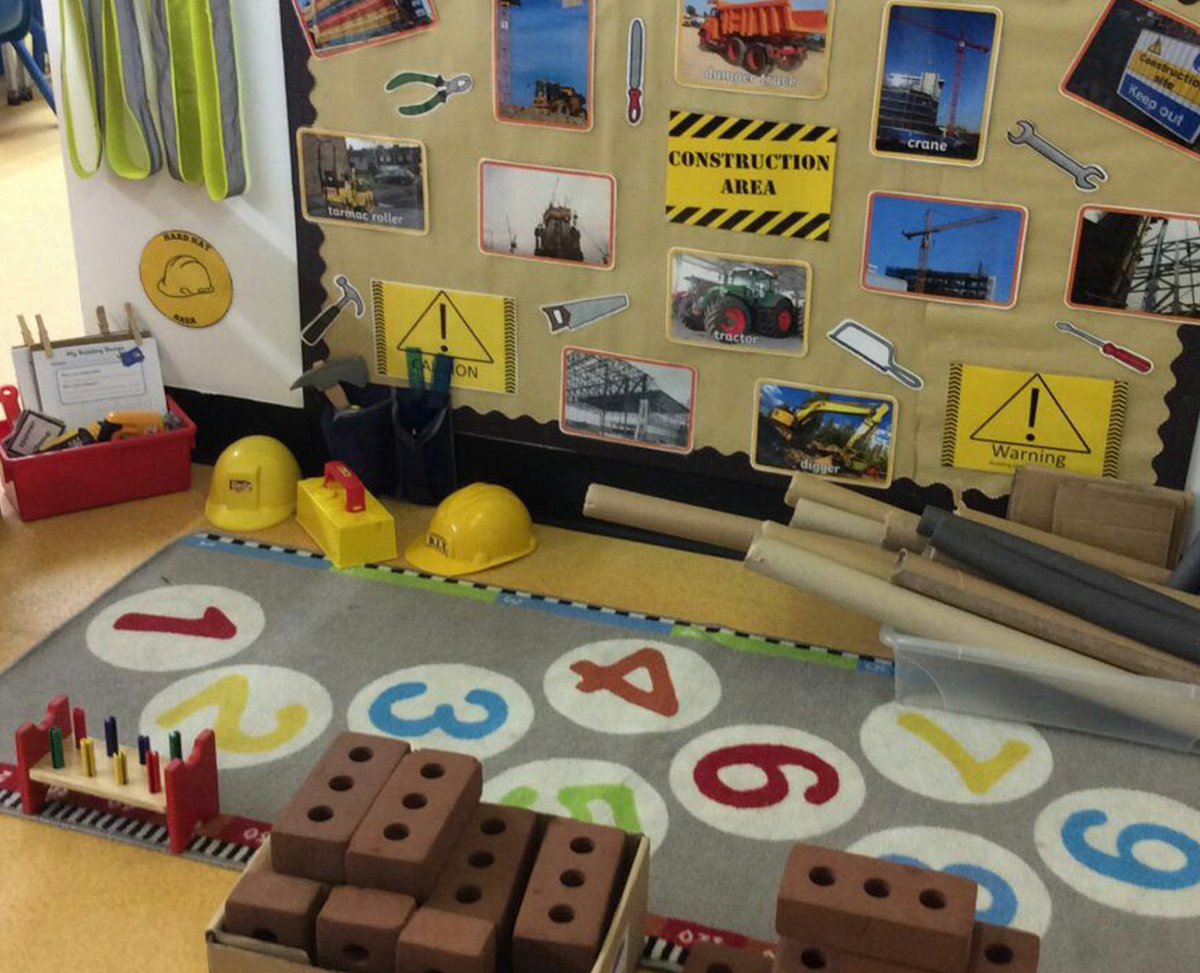
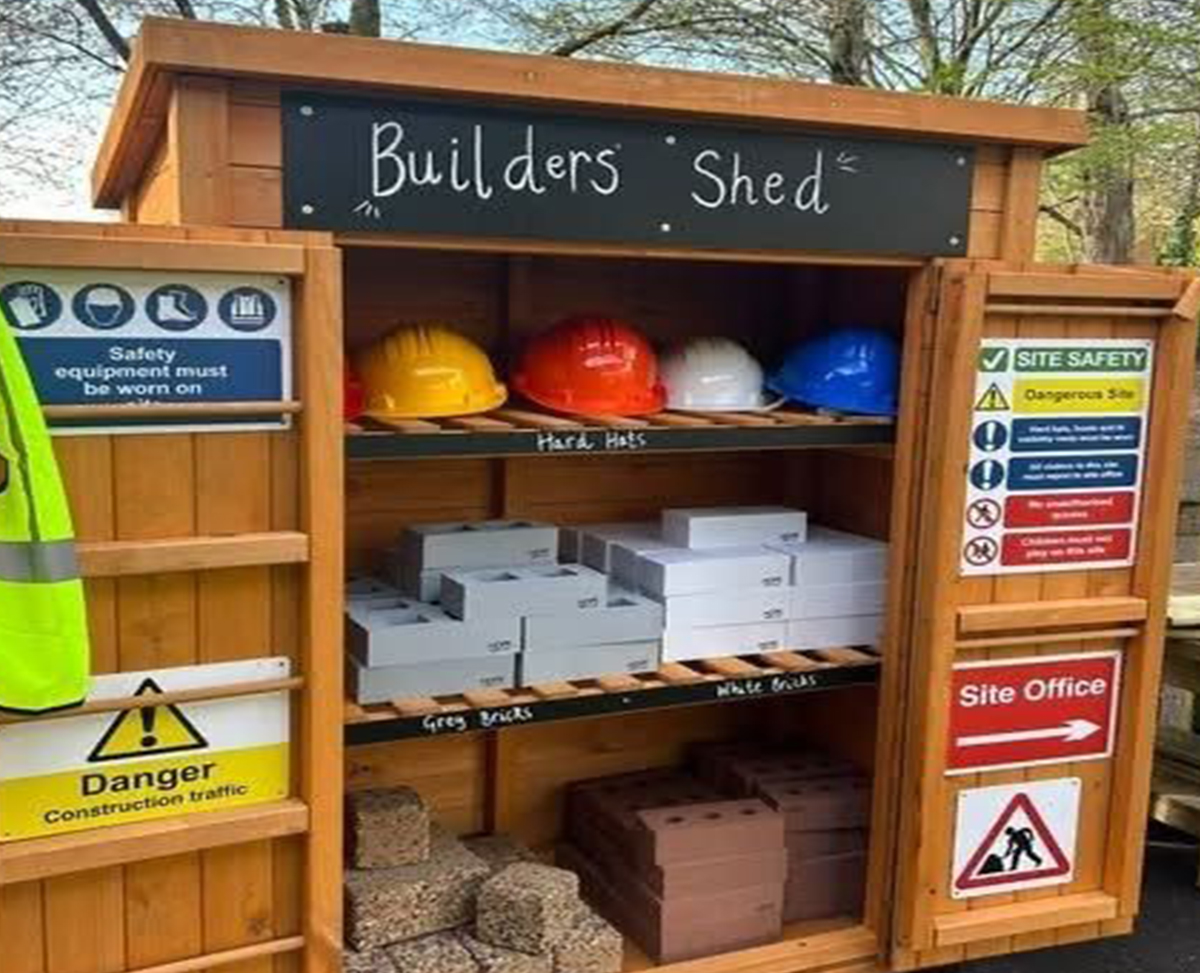
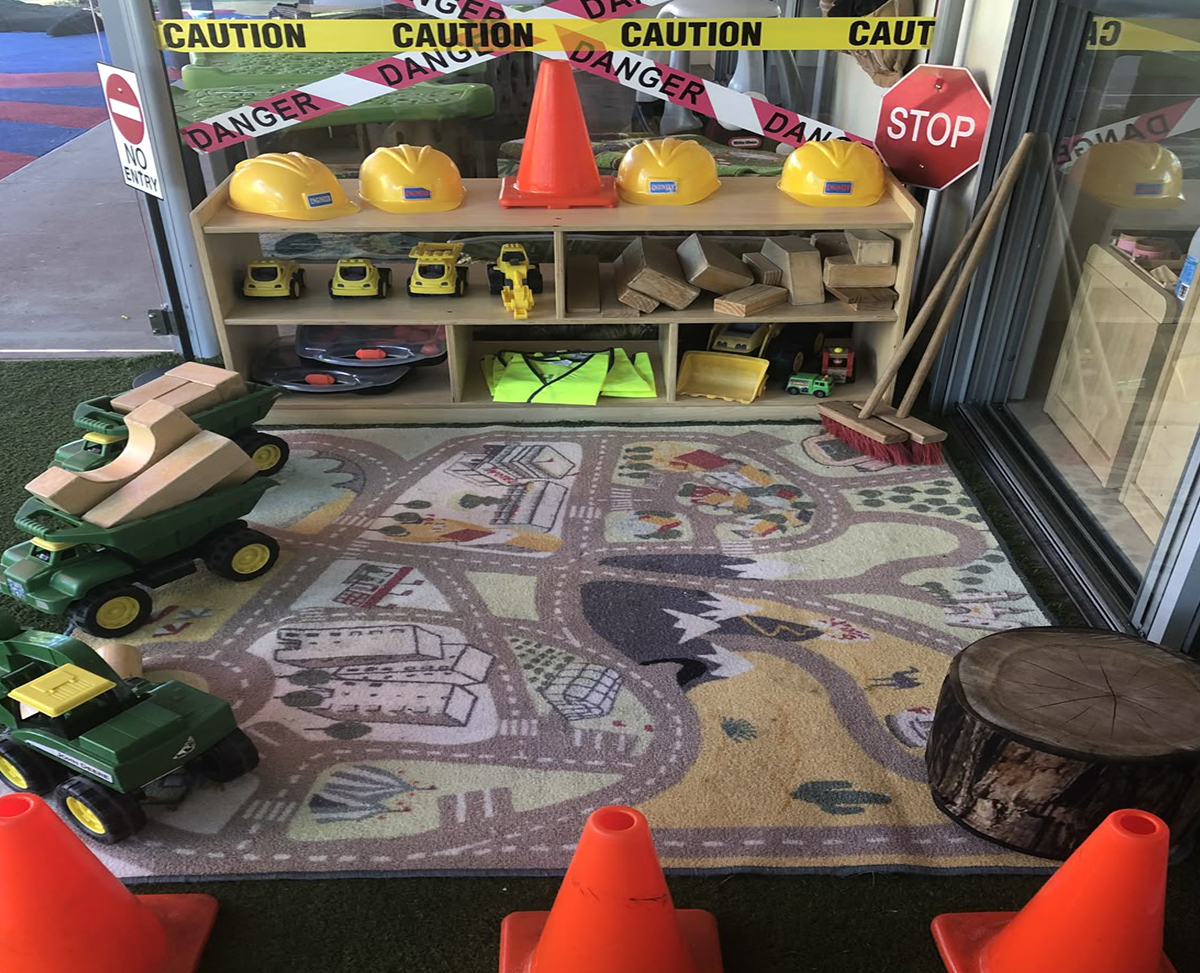
The construction area expands the possibilities. Here, children use recycled materials, natural items, sand, tape, and more to build beyond the boundaries of blocks. They learn:
- Innovation and imagination by transforming everyday materials into castles, bridges, or vehicles.
- Collaboration and communication when working on large-scale projects.
- Critical thinking as they solve real-world challenges like stability or connection.
Construction play encourages children to see the world as a toolkit for creation.
Why Combine Them?
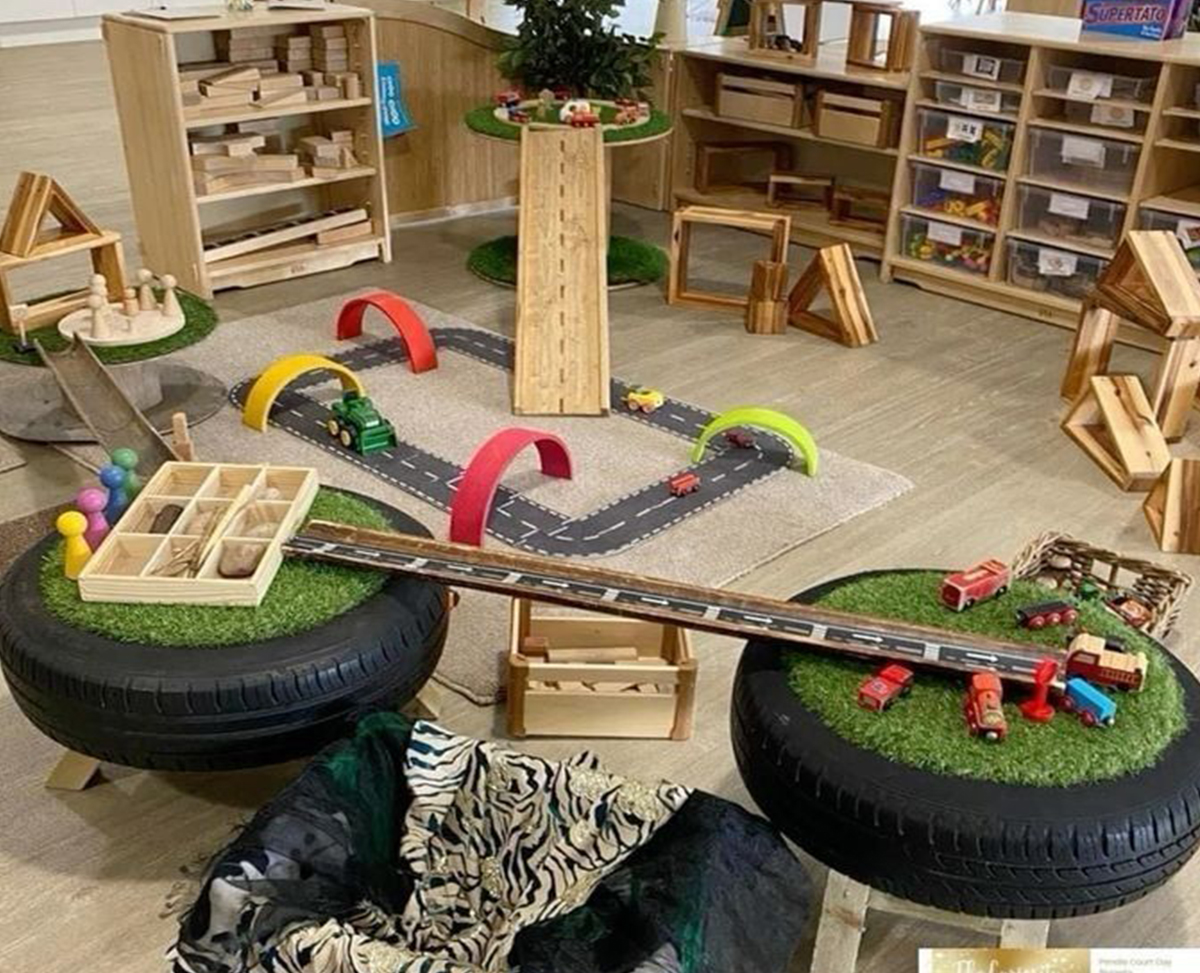
When educators merge block and construction play, children benefit from both precision and creativity:
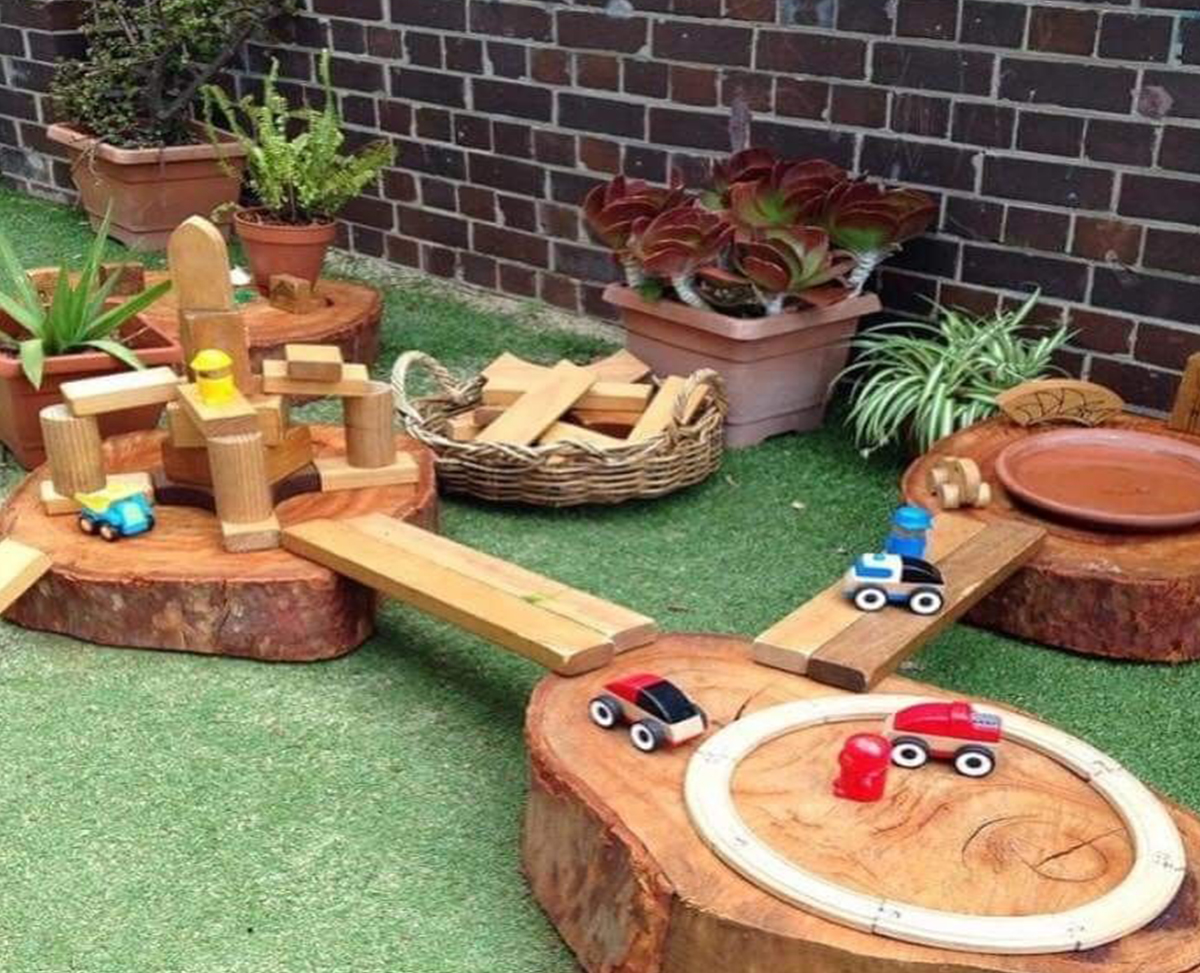
- A child might start with a block tower, then extend it into a cardboard city.
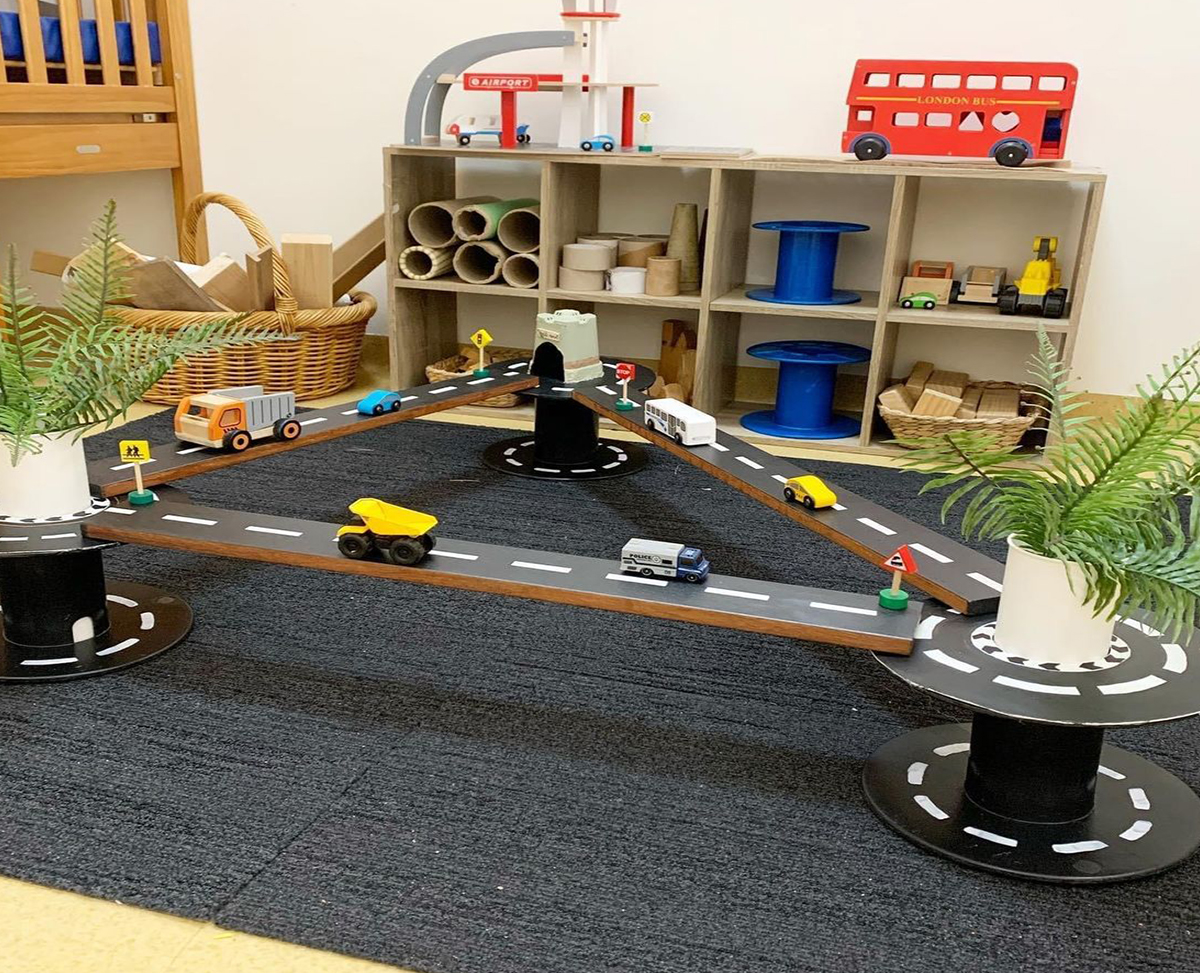
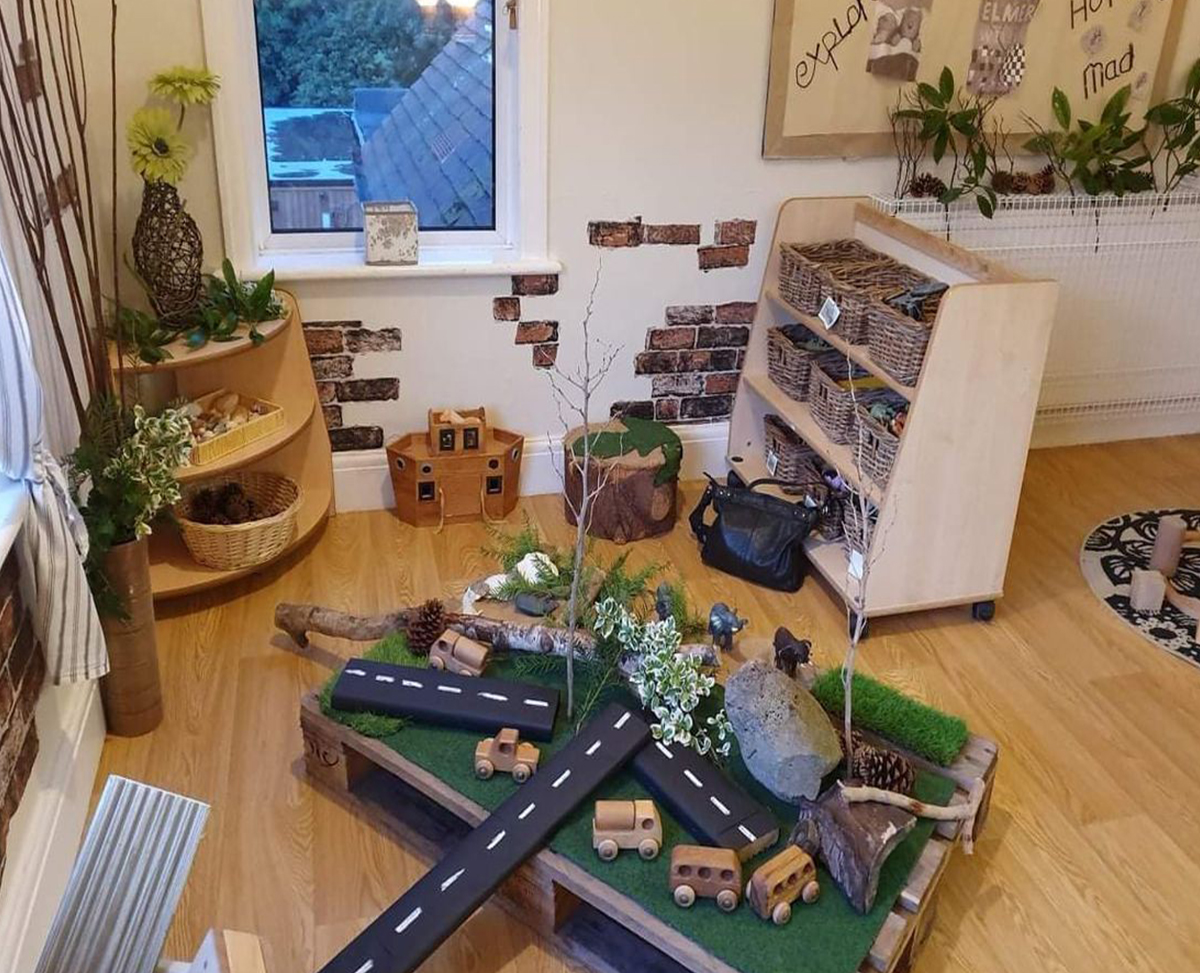
- Recycled materials can add texture and context to block structures, turning abstract shapes into meaningful environments.
- Outdoor construction projects can incorporate block principles, reinforcing classroom learning in natural settings.
This integration bridges mathematical skill-building with imaginative exploration, creating a holistic learning experience.
Photo Ideas


Educator Tips for Integration
- Flexible Layouts: Position block shelves near construction materials so children can mix resources.
- Thematic Play: Encourage projects like “community building” where blocks form houses and recycled items become roads or gardens.
- Reflection Prompts: Ask children, “What made your tower strong?” or “How did you decide which materials to use?” to scaffold critical thinking.
- Documentation: Capture photos of evolving projects to share with families and highlight learning outcomes.
By weaving together the structured block area and the open-ended construction area, educators create a dynamic environment where children learn to balance precision with creativity. This integration not only supports cognitive and motor development but also nurtures collaboration, imagination, and joy in learning.
Image Credits:
Image 1 - Kerry Marsh, Pinterest
Image 2 - Leiliane Nina, Pinterest
Image 3 - Natalie Wilson, Pinterest
Image 4 - Susan, Pinterest
Image 5 - Sarah Beaton, Pinterest
Image 6 - Rose McInnes, Pinterest
Image 7 - Teresa Sanders, Pinterest
Image 8 - Marcy Schaut, Pinterest
Image 9 - Rose McInnes, Pinterest
Image 10 - Rose McInnes, Pinterest
Image 11 - Rose McInnes, Pinterest
Image 12 - No Name, Pinterest
Image 13 - Jaclyn Belling, Pinterest
Further Reading
Benefits Of Block Play
Benefits Of Play Posters
Benefits Of Interest Areas
Blocks and Pompom Colour Sorting




 The Children’s Services Award introduces a streamlined classification system and updated pay rates designed to better recognise the skills, qualifications, and responsibilities of early childhood
 The Children’s Services Award has 8 clear levels. These levels make it easier to understand where you fit, based on your experience, qualifications, and responsibilities.
 When working as a qualified early childhood teacher (with a university degree) within a service, your rate of pay will come from the Educational Services
 Diploma-qualified educators play a vital role in early childhood services, taking on responsibilities that range from supporting children’s learning and development to leading rooms and
 Certificate III qualified educators form the backbone of early childhood services, providing essential care and learning support for children across all settings. Their wages under
 Early Childhood Teachers (ECTs) play a vital role in leading curriculum and pedagogy in early learning settings. Regulation 272 of the Education and Care Services
 Children need safe and positive environments to learn and grow. To ensure this, services and educators need to ensure effective supervision at all times. The
 Floorbook is a documentation approach that uses a large book with blank pages for children to record different aspects of their learning in small groups
 When an Educator is not performing their tasks or responsibilities at best practice, these issues need to be addressed for the Educator to understand where
 Educators can maximise tax deductions by claiming classroom supplies, training, union fees, and home office costs this financial year.