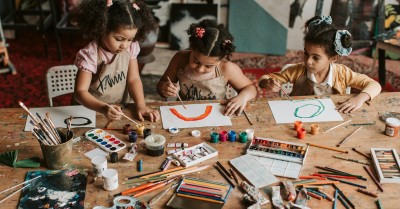
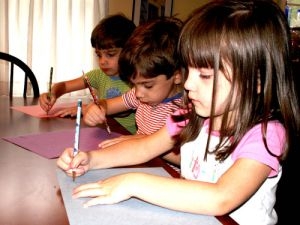
When we talk about art areas in learning environments, we’re really looking at how spaces can be intentionally designed to foster creativity, self-expression, and developmental growth. In early childhood, art areas aren’t just about painting or drawing—they’re hubs for exploration, identity-building, and skill development.
Key Features of Art Areas
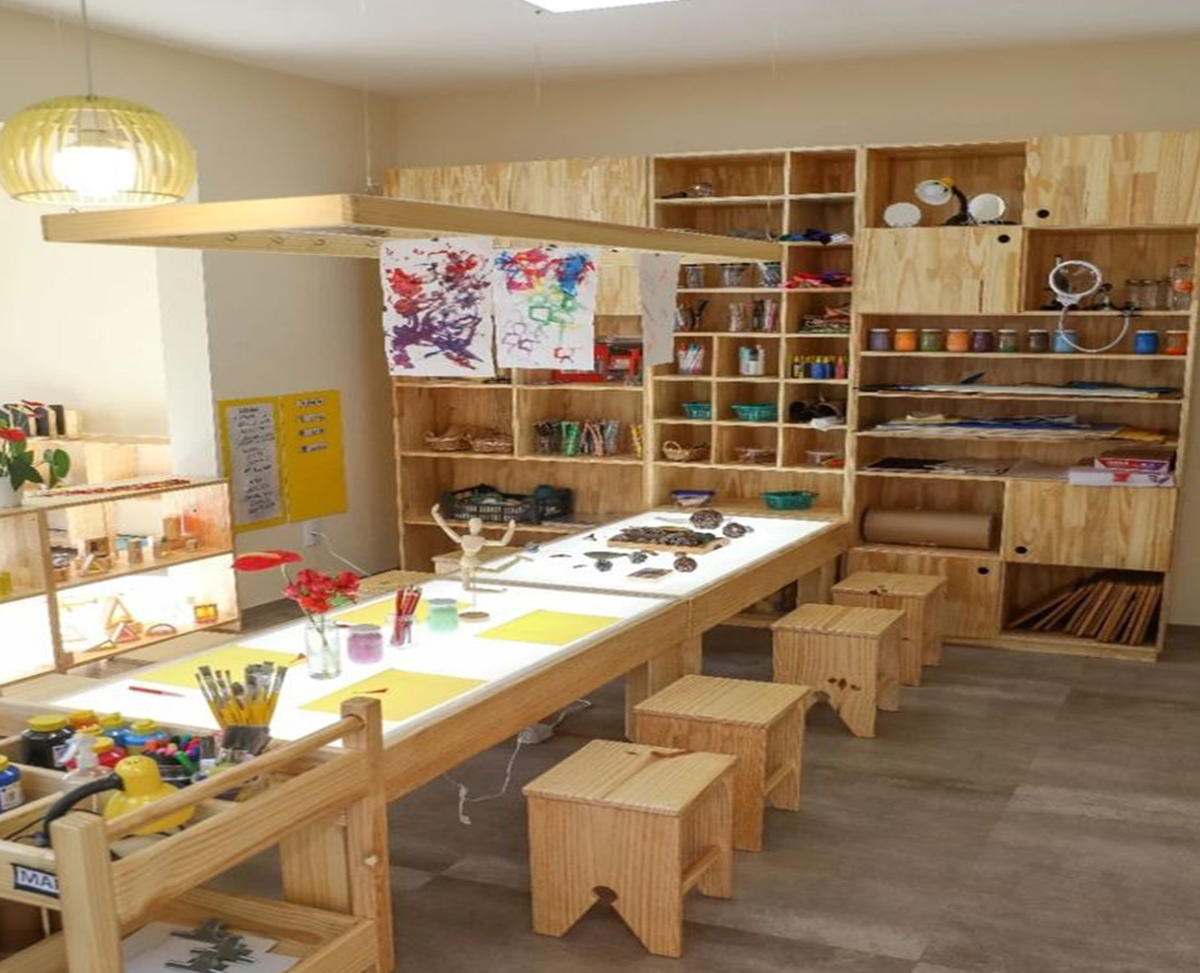
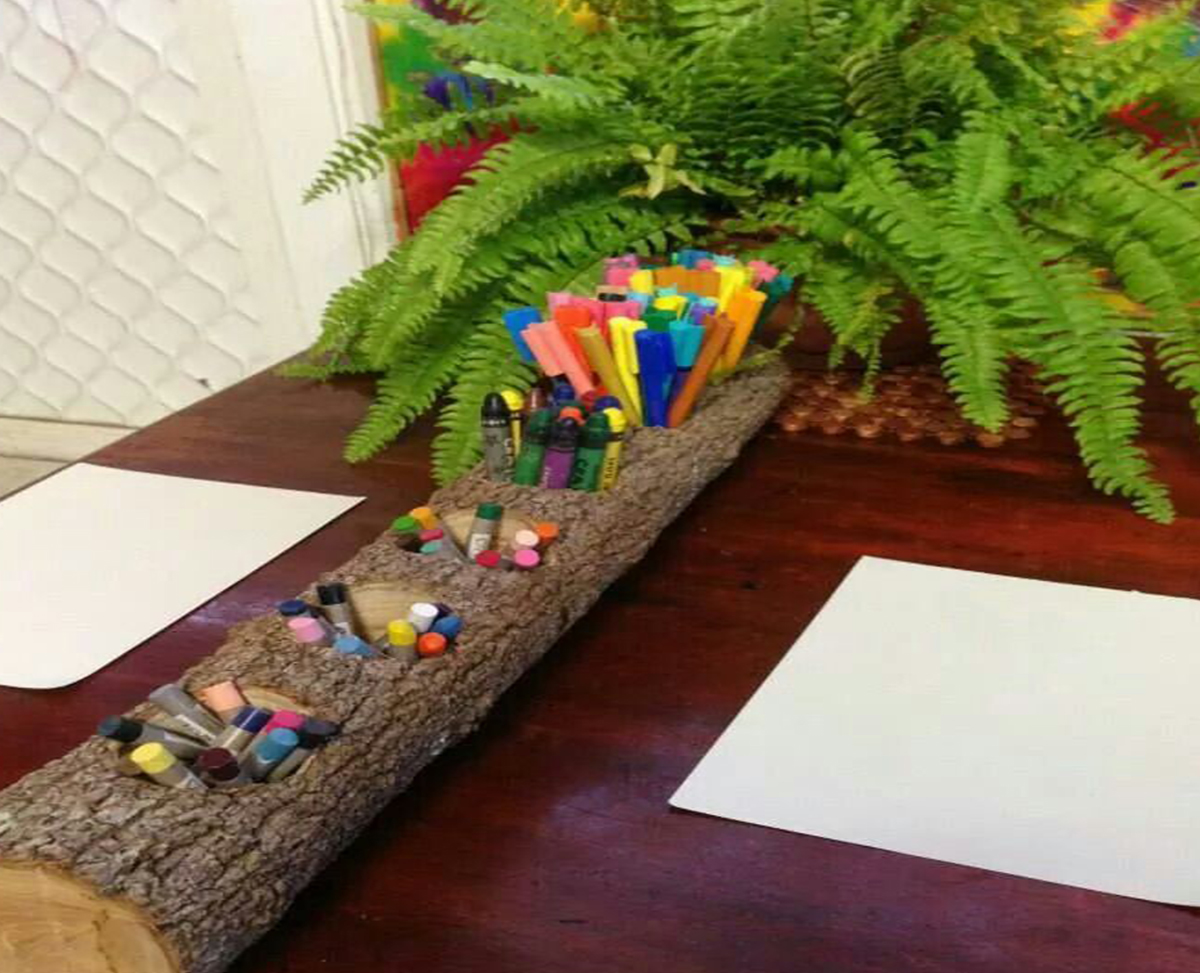
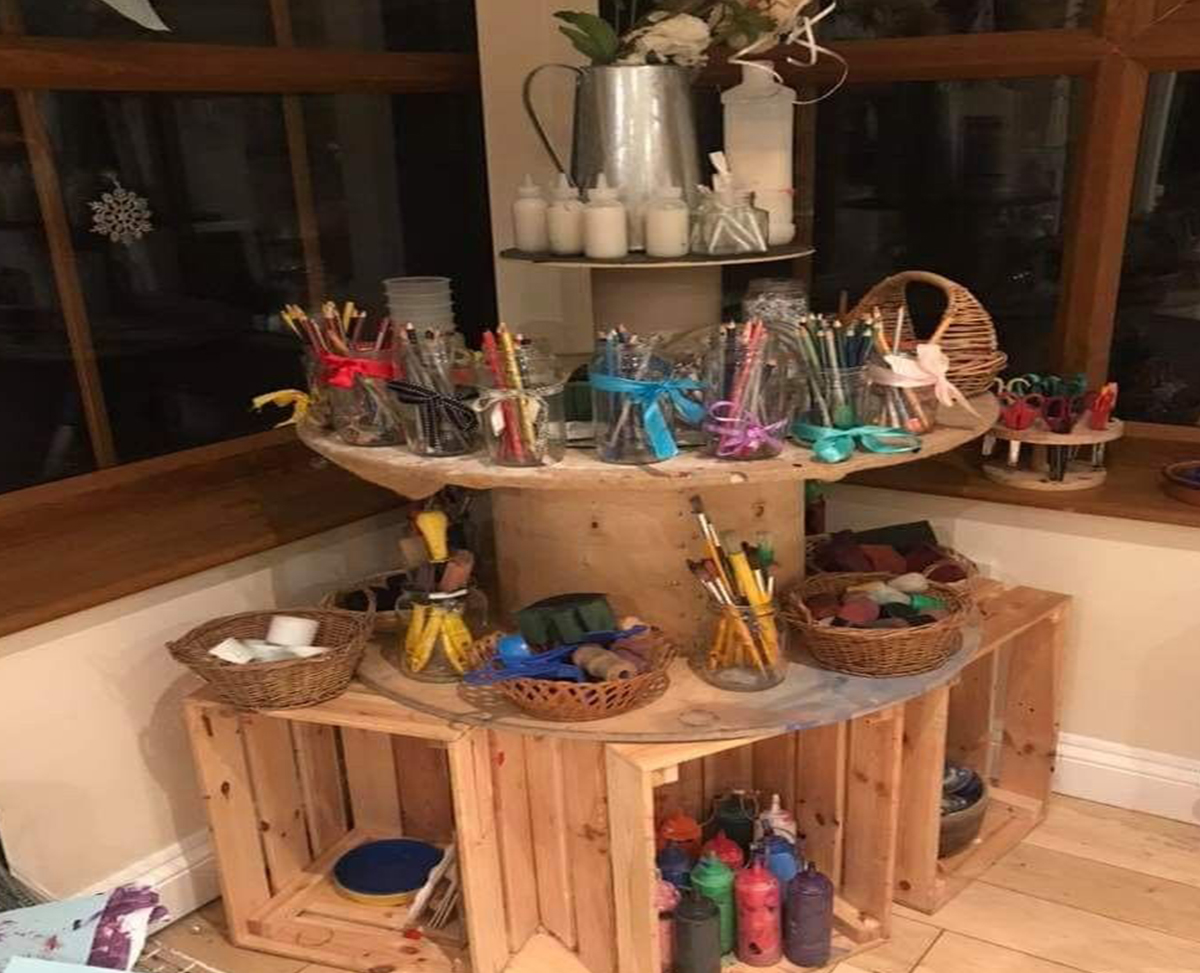
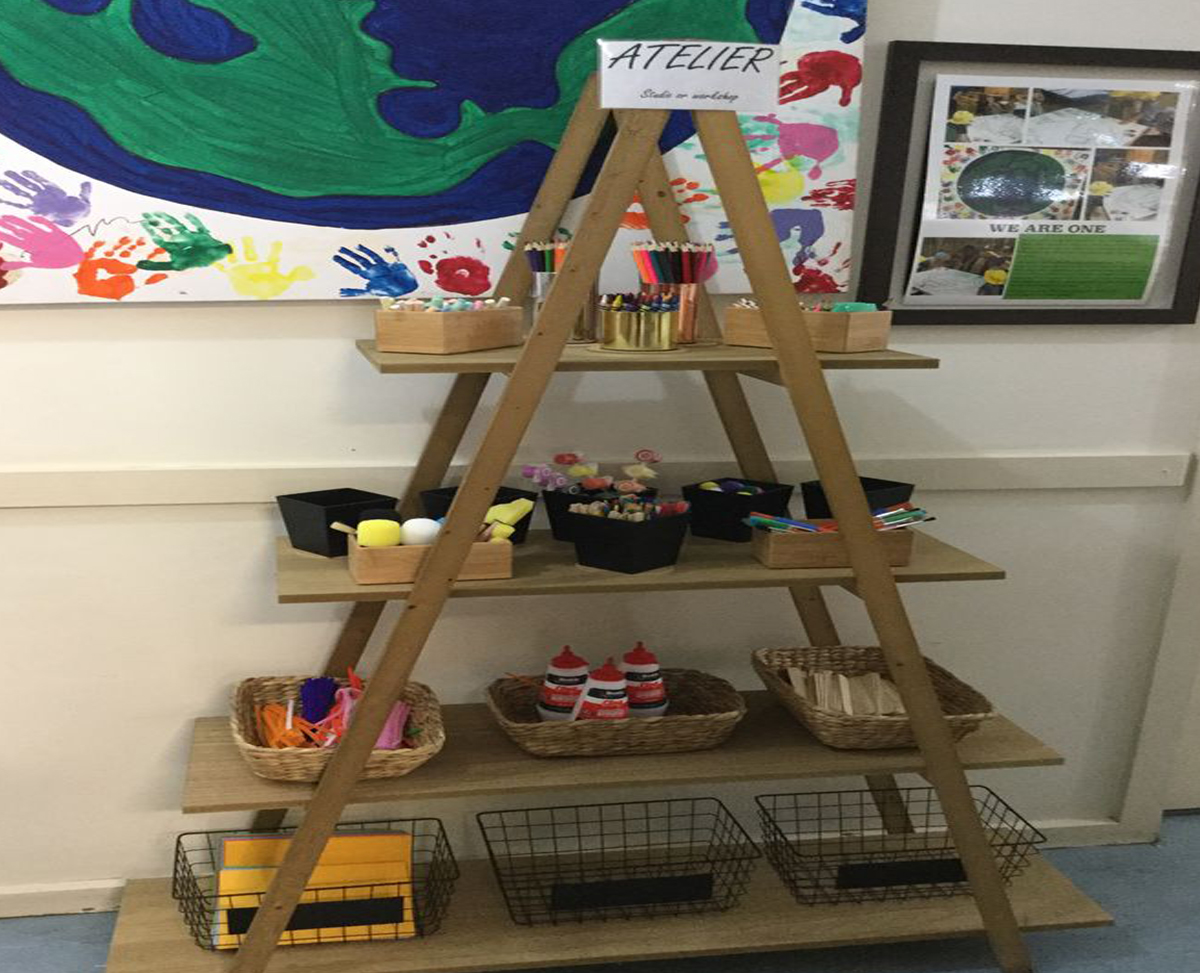
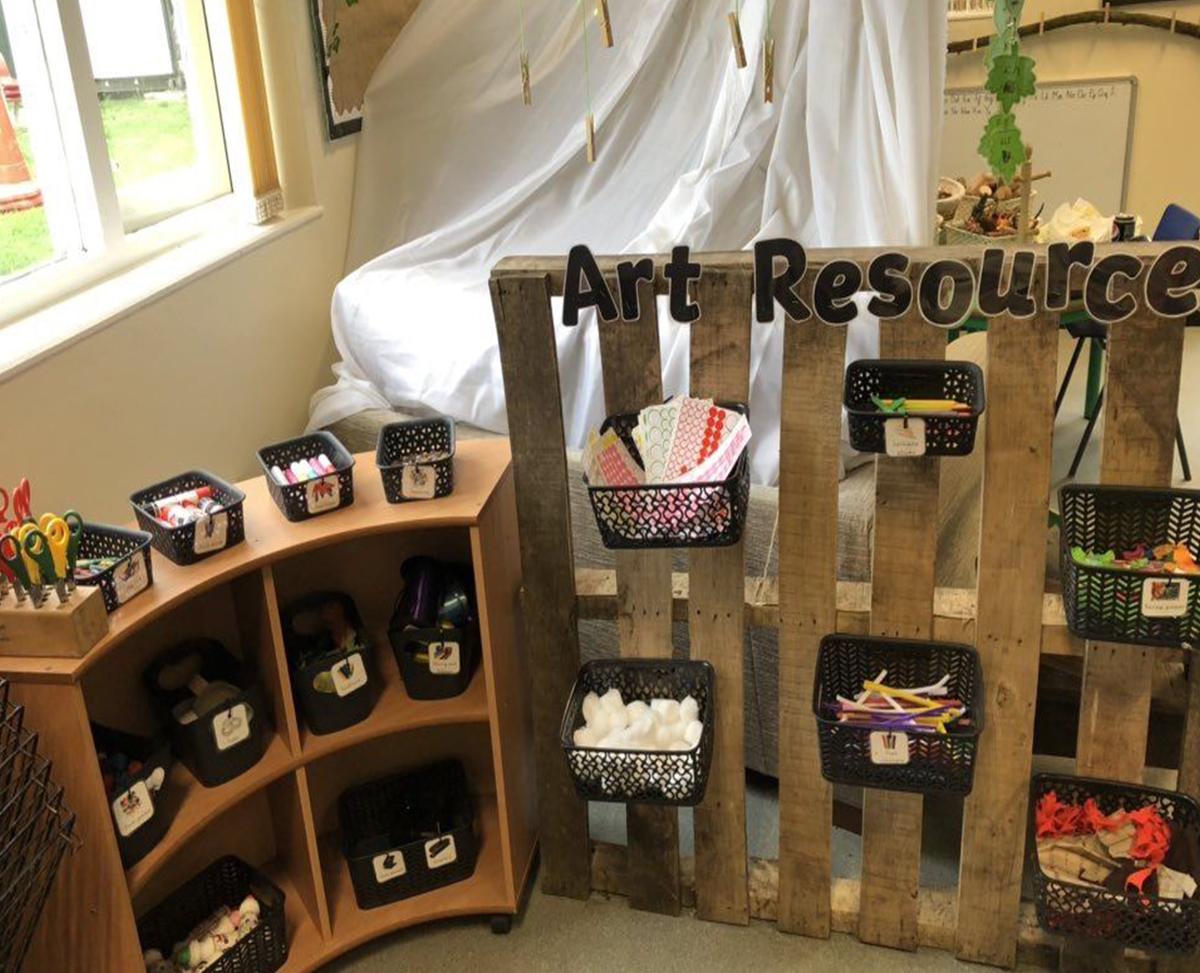
- Accessibility: Materials should be within reach of children, encouraging independence and choice.
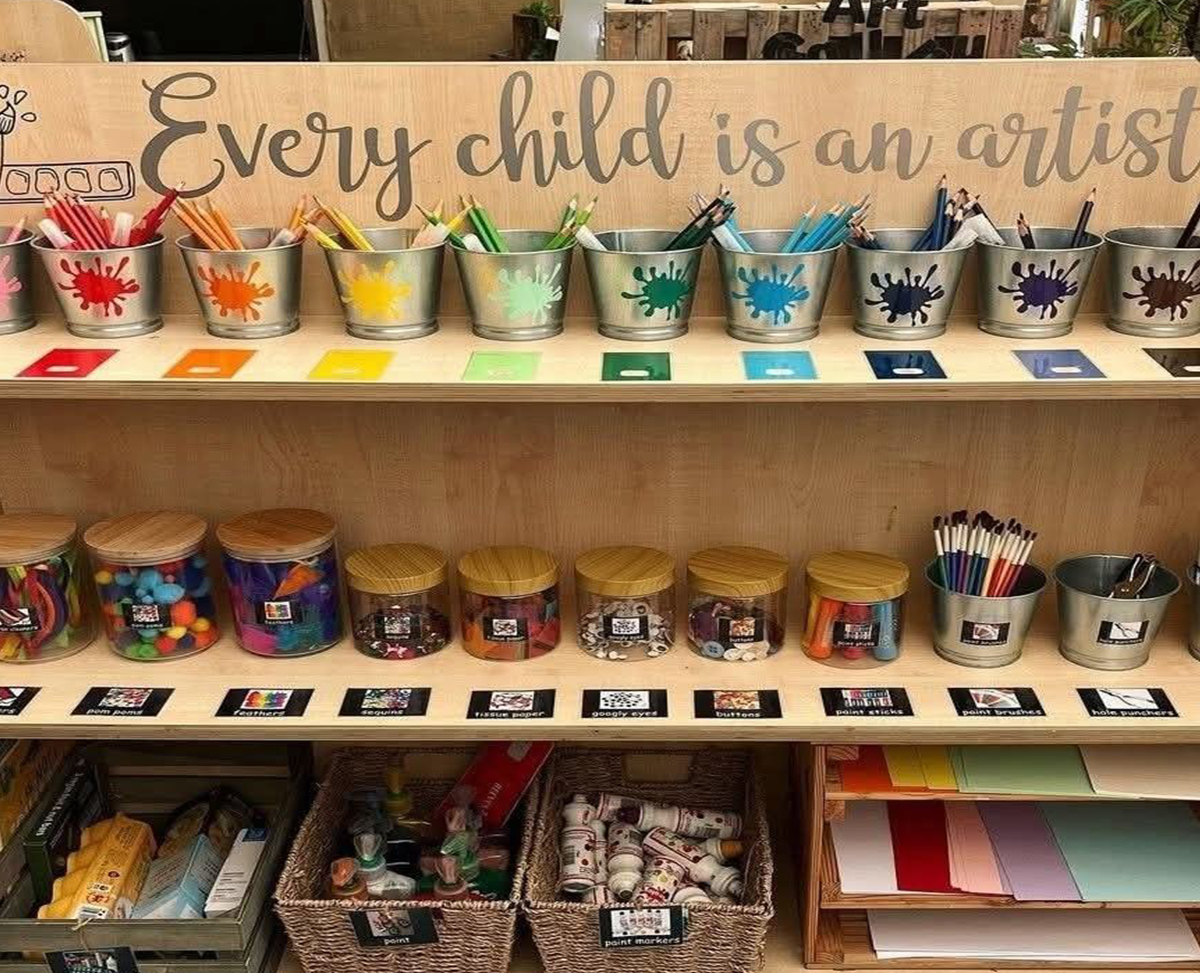
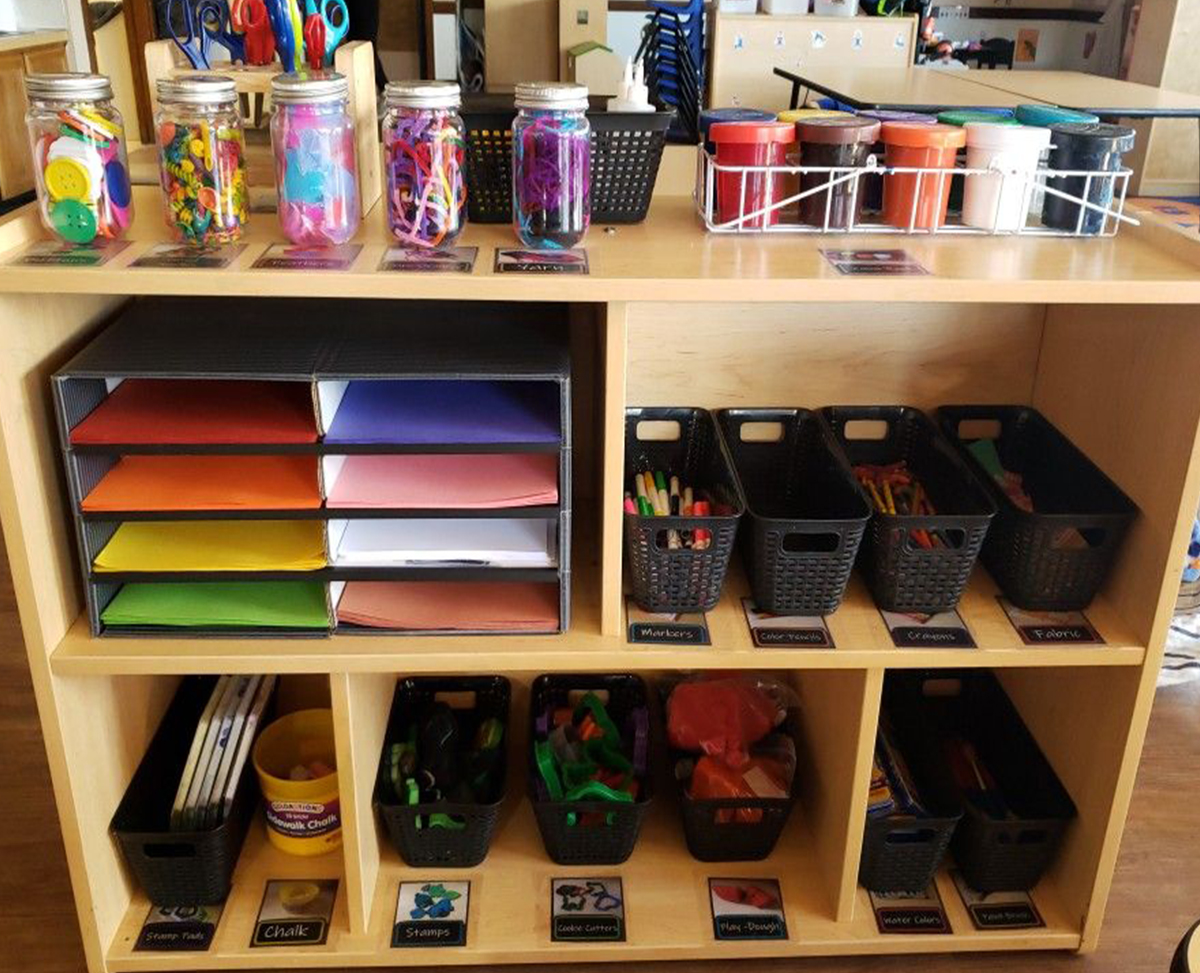
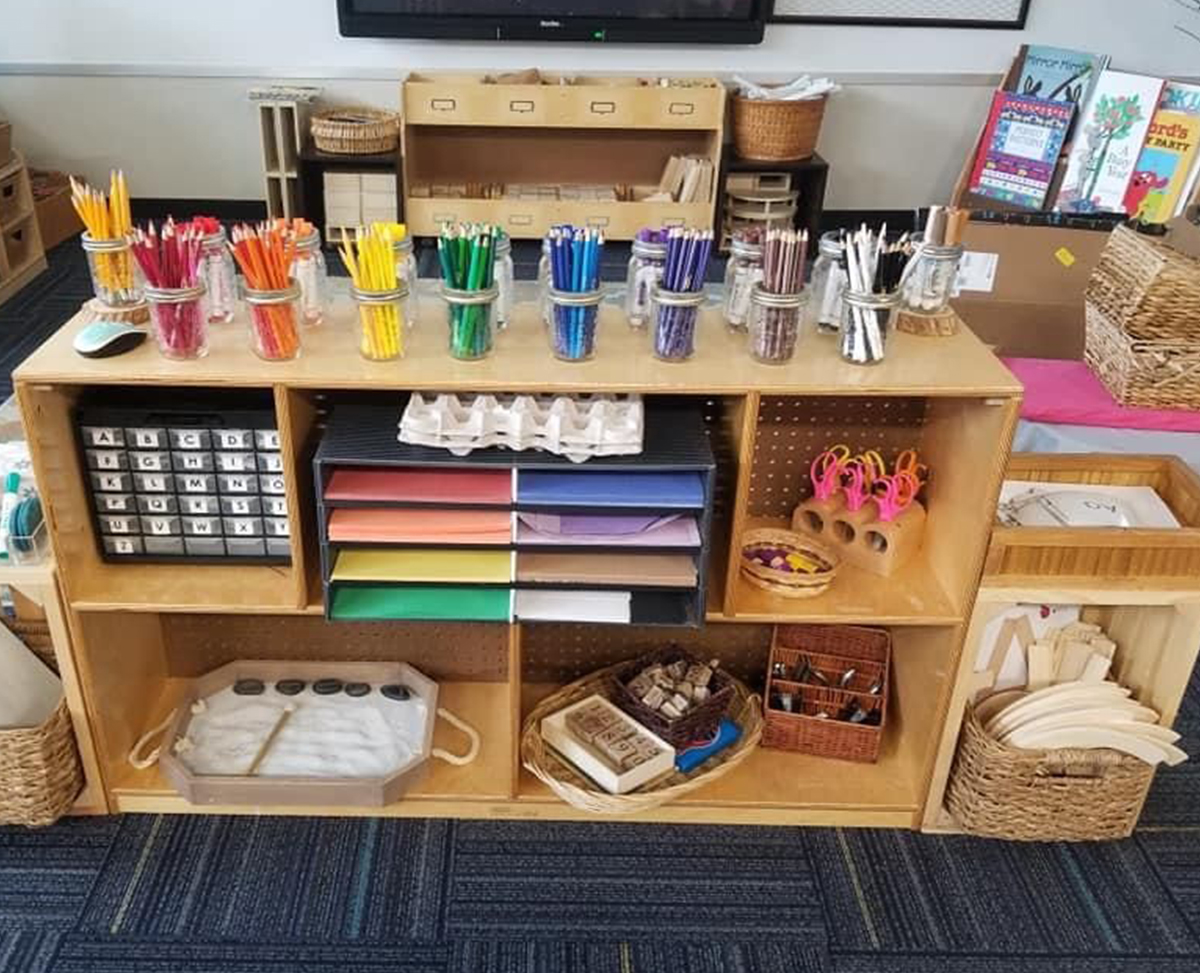
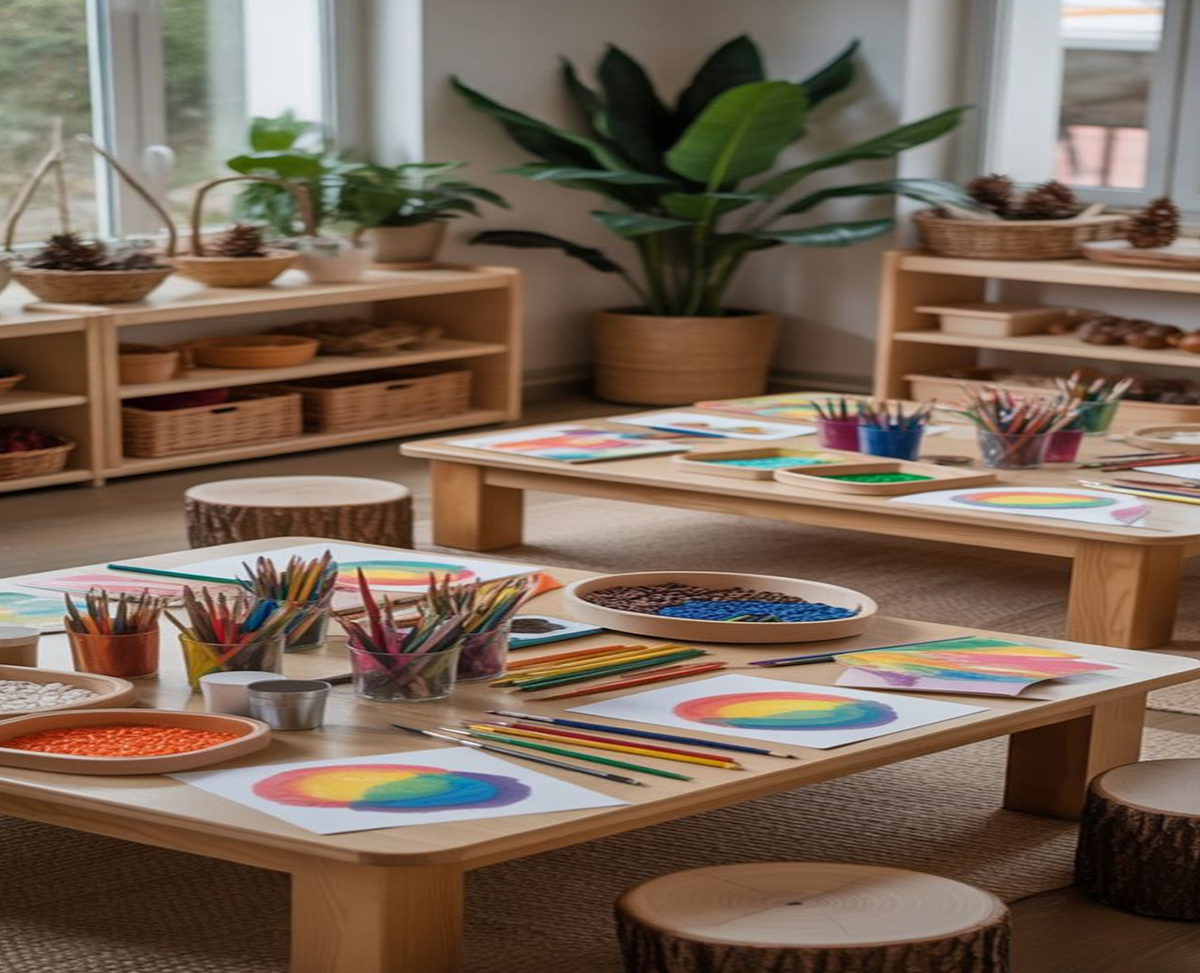
- Variety of Media: Paints, crayons, markers, clay, collage materials, natural items (leaves, stones), recycled objects.
- Organization: Clear storage (baskets, trays, shelves) helps children learn responsibility and care for resources.
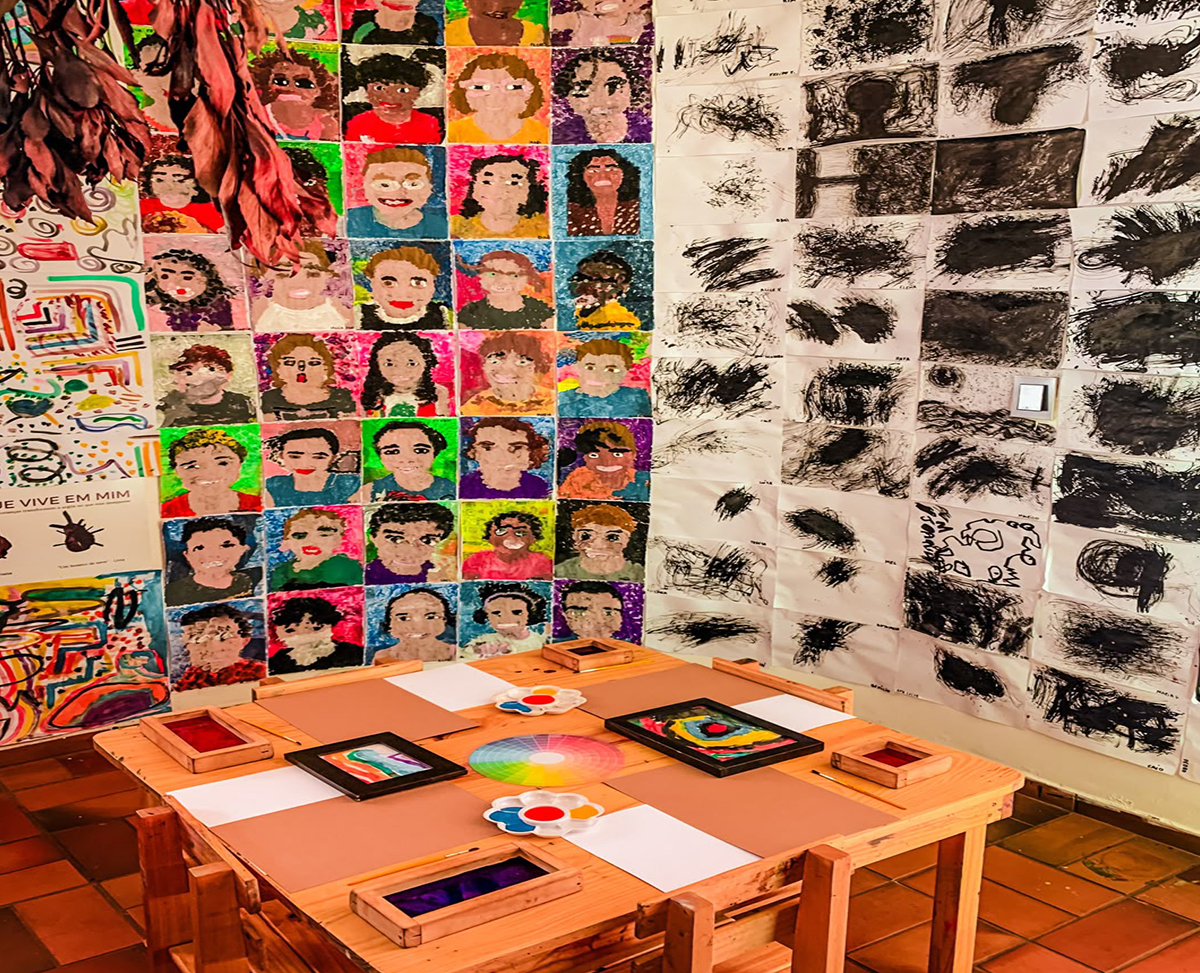
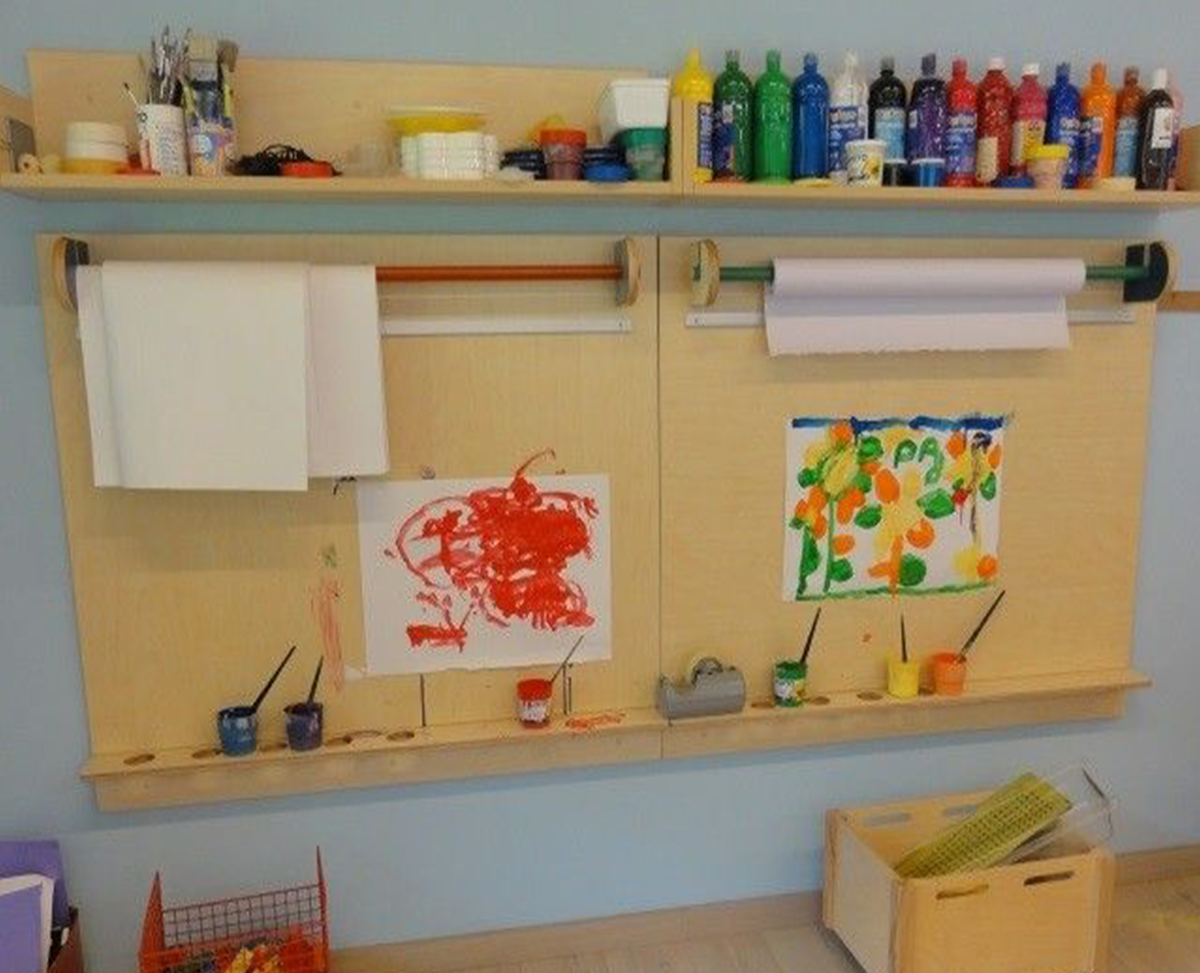
- Display Space: Walls, boards, or hanging lines to showcase children’s work, reinforcing pride and belonging.
- Safety & Cleanliness: Non-toxic materials, easy-clean surfaces, aprons, and handwashing facilities.
Developmental Benefits
- Fine Motor Skills: Cutting, gluing, painting, and molding strengthen hand-eye coordination.
- Cognitive Growth: Experimenting with colors, shapes, and textures builds problem-solving and planning skills.
- Emotional Expression: Art provides a safe outlet for feelings, imagination, and storytelling.
- Cultural Identity: Incorporating diverse art forms (Indigenous art, multicultural crafts) fosters inclusion and respect.
- Collaboration: Group projects encourage teamwork, negotiation, and shared creativity.
Types of Art Areas
| Type of Area | Examples | Purpose |
|---|---|---|
| Painting & Drawing | Easels, paper rolls, sketch pads | Free expression, color exploration |
| Collage & Construction | Glue, scissors, recycled materials | Creativity, sustainability awareness |
| Clay & Sculpture | Playdough, clay, natural materials | Sensory play, 3D thinking |
| Textile & Craft | Fabric scraps, yarn, beads | Cultural crafts, fine motor refinement |
| Digital Art | Tablets, stylus pens, simple apps | Tech integration, modern creativity |
Photo Ideas
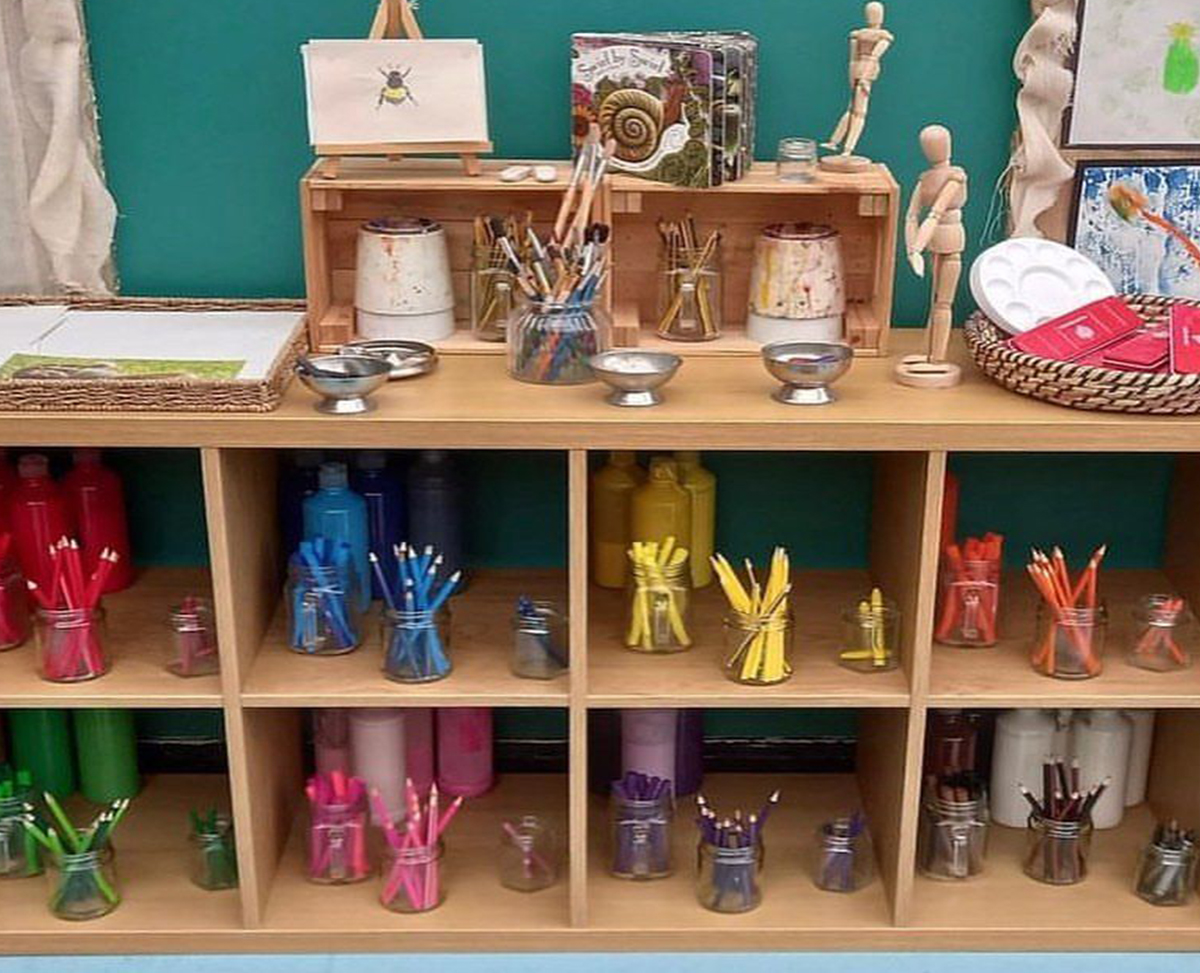
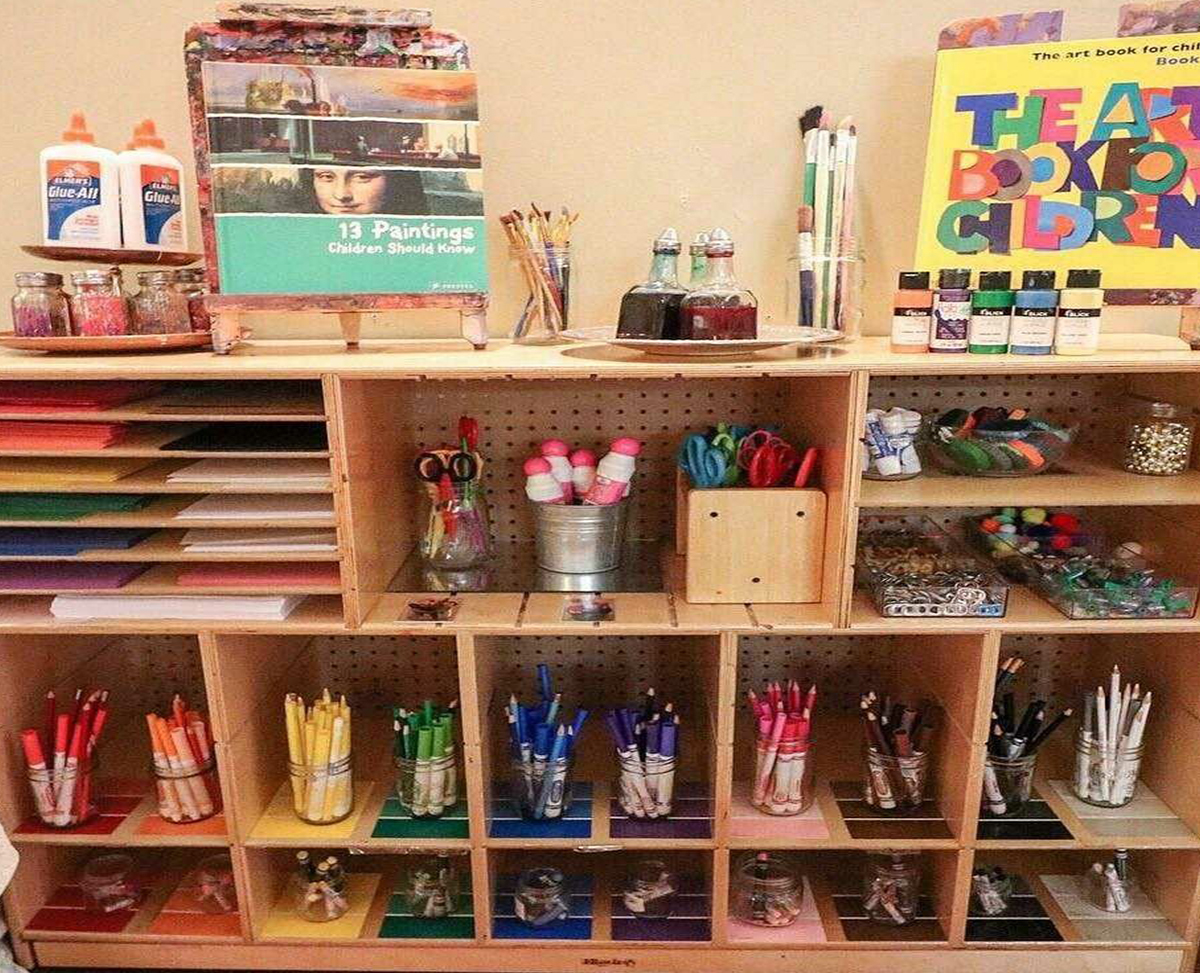
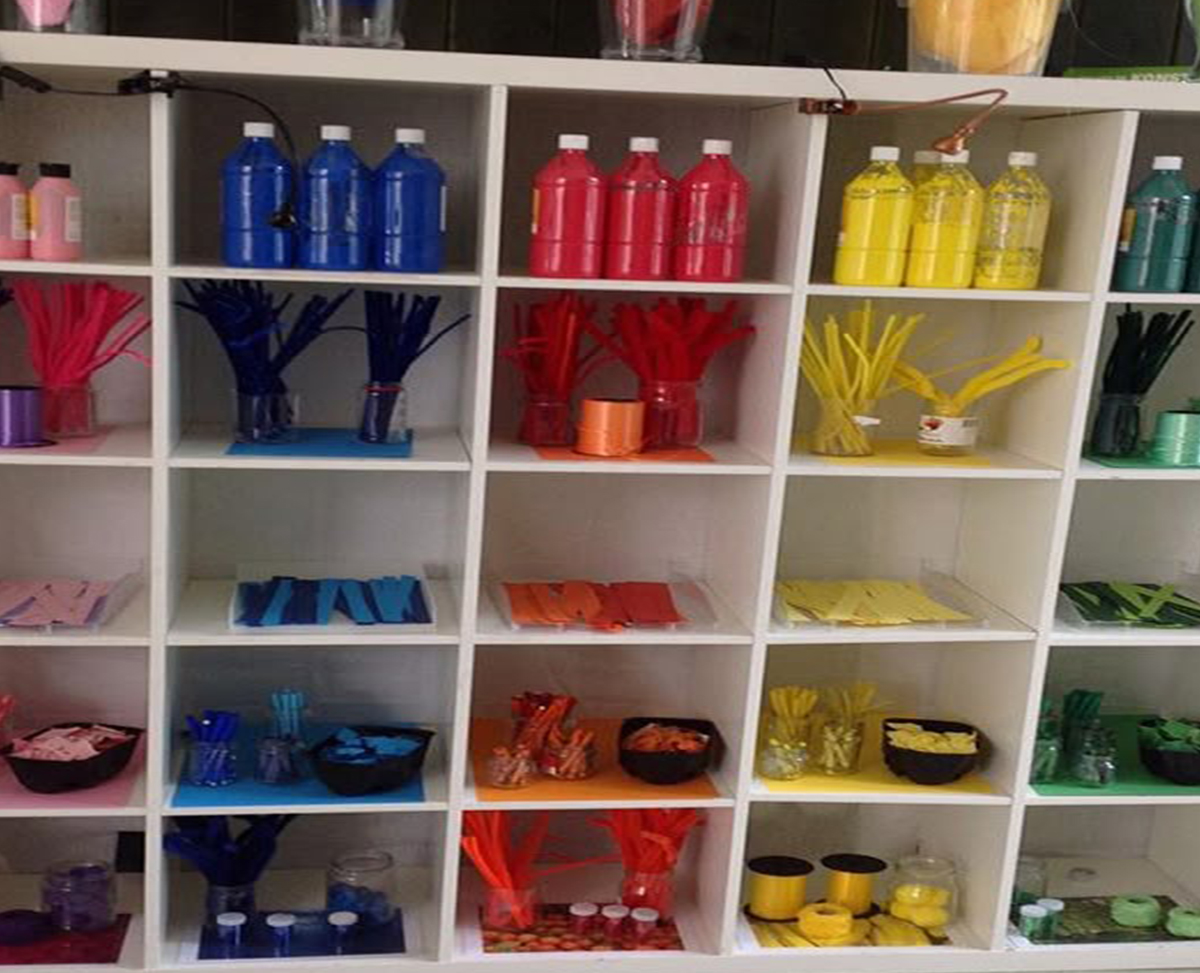
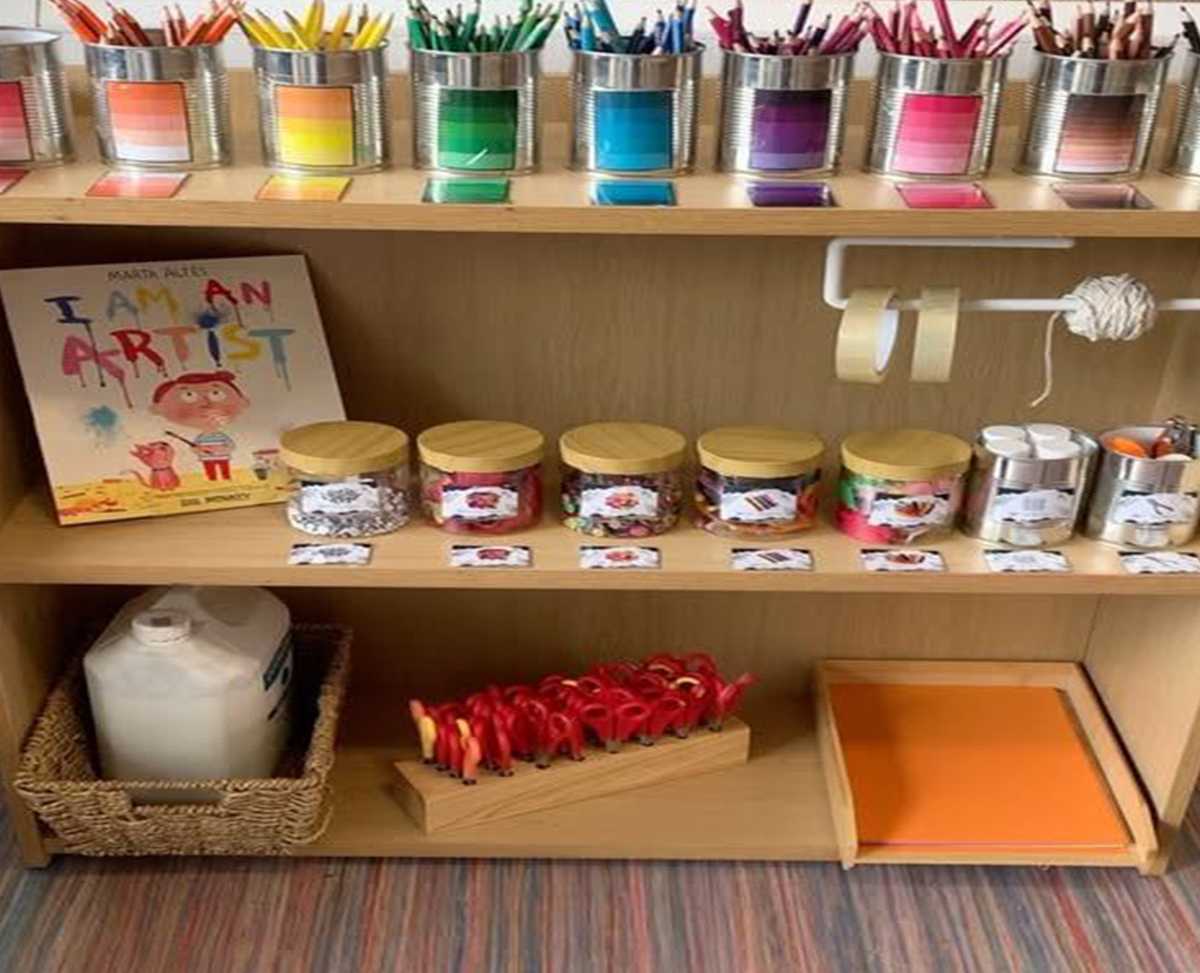
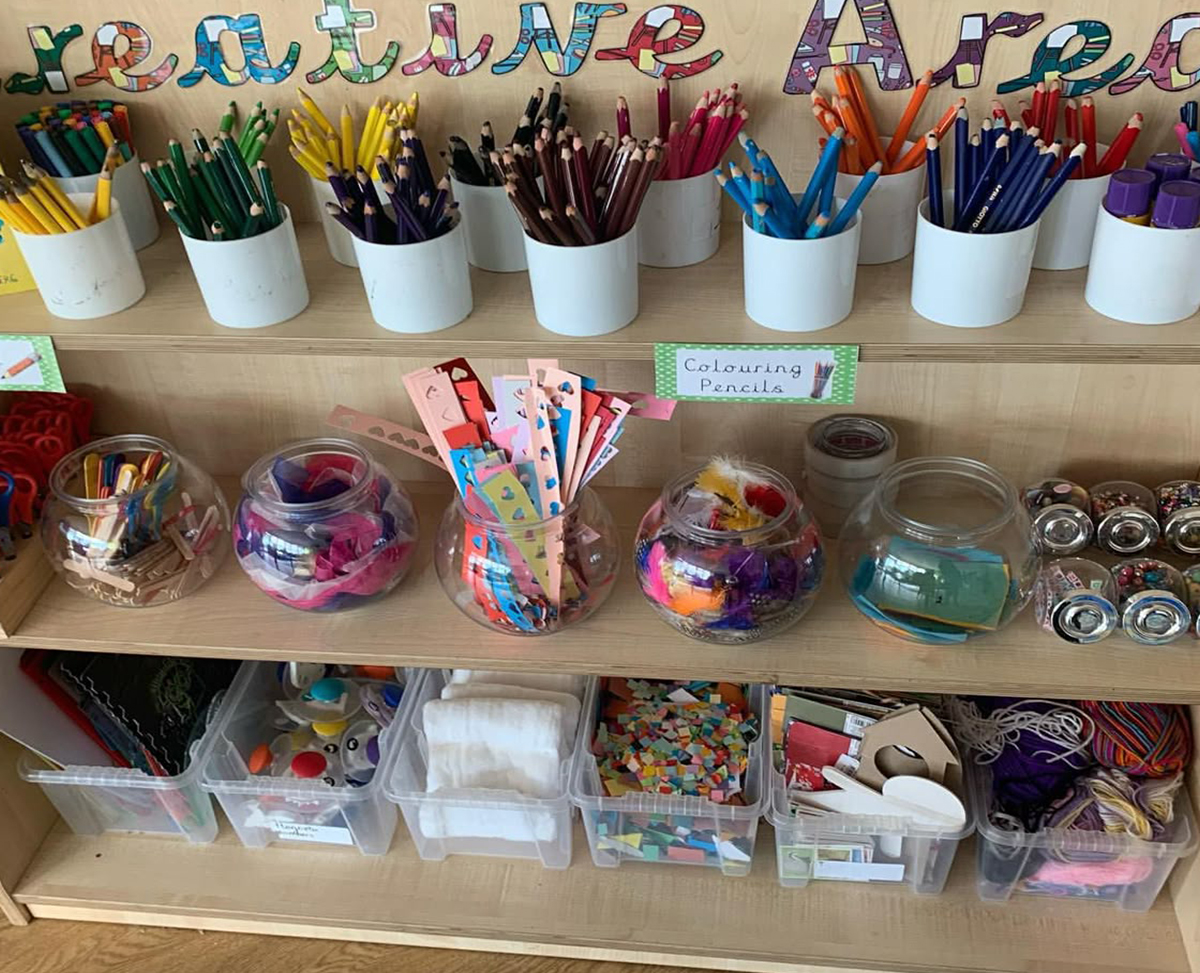
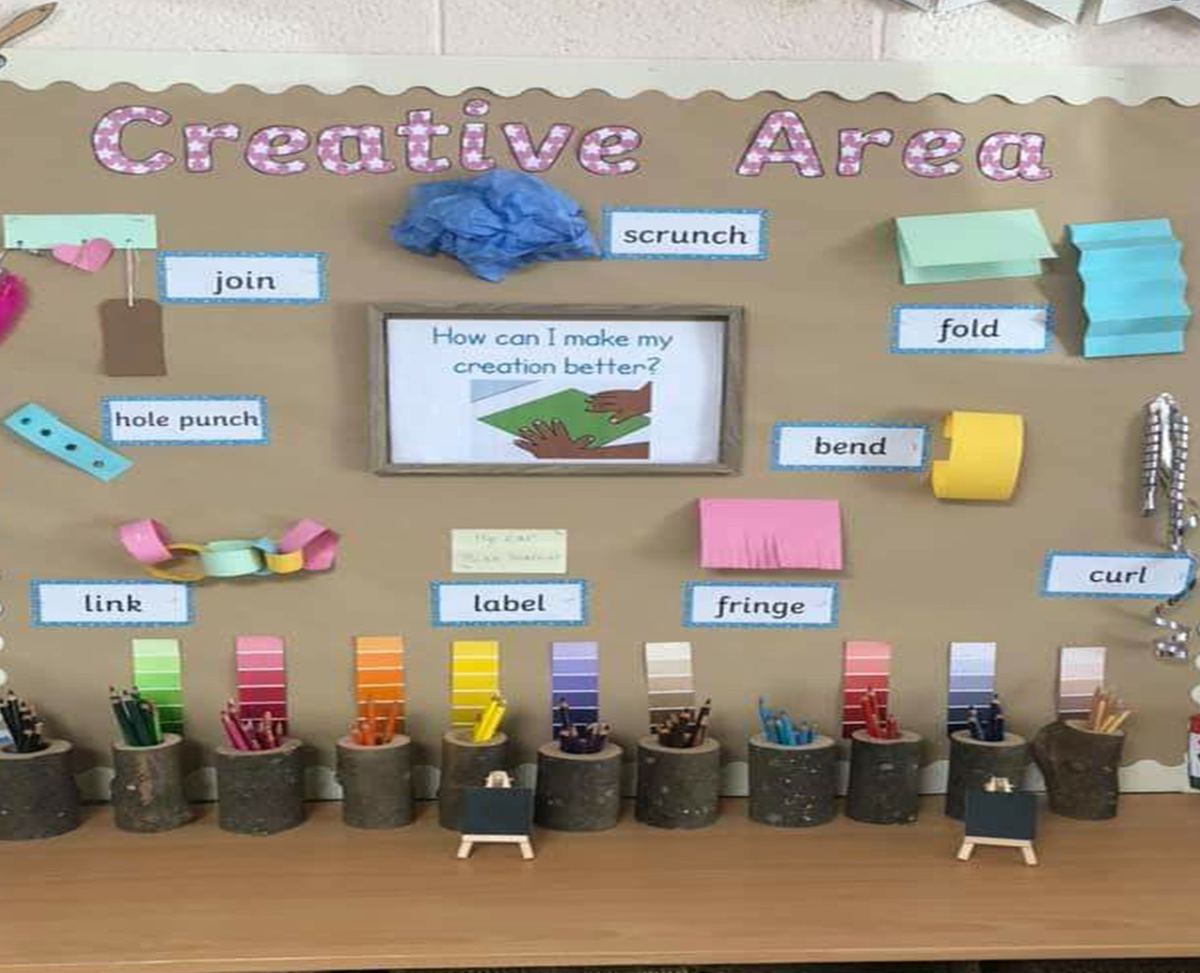
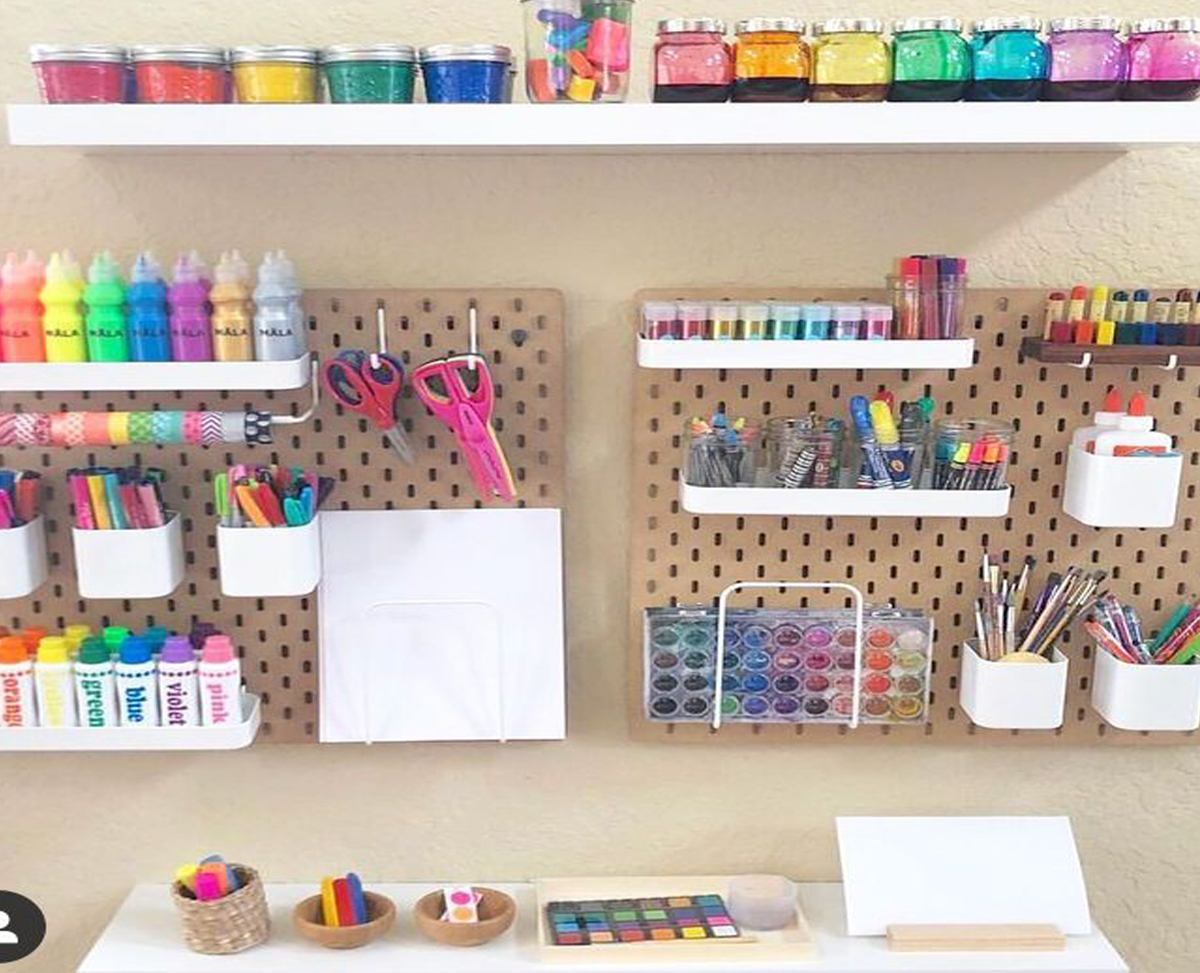
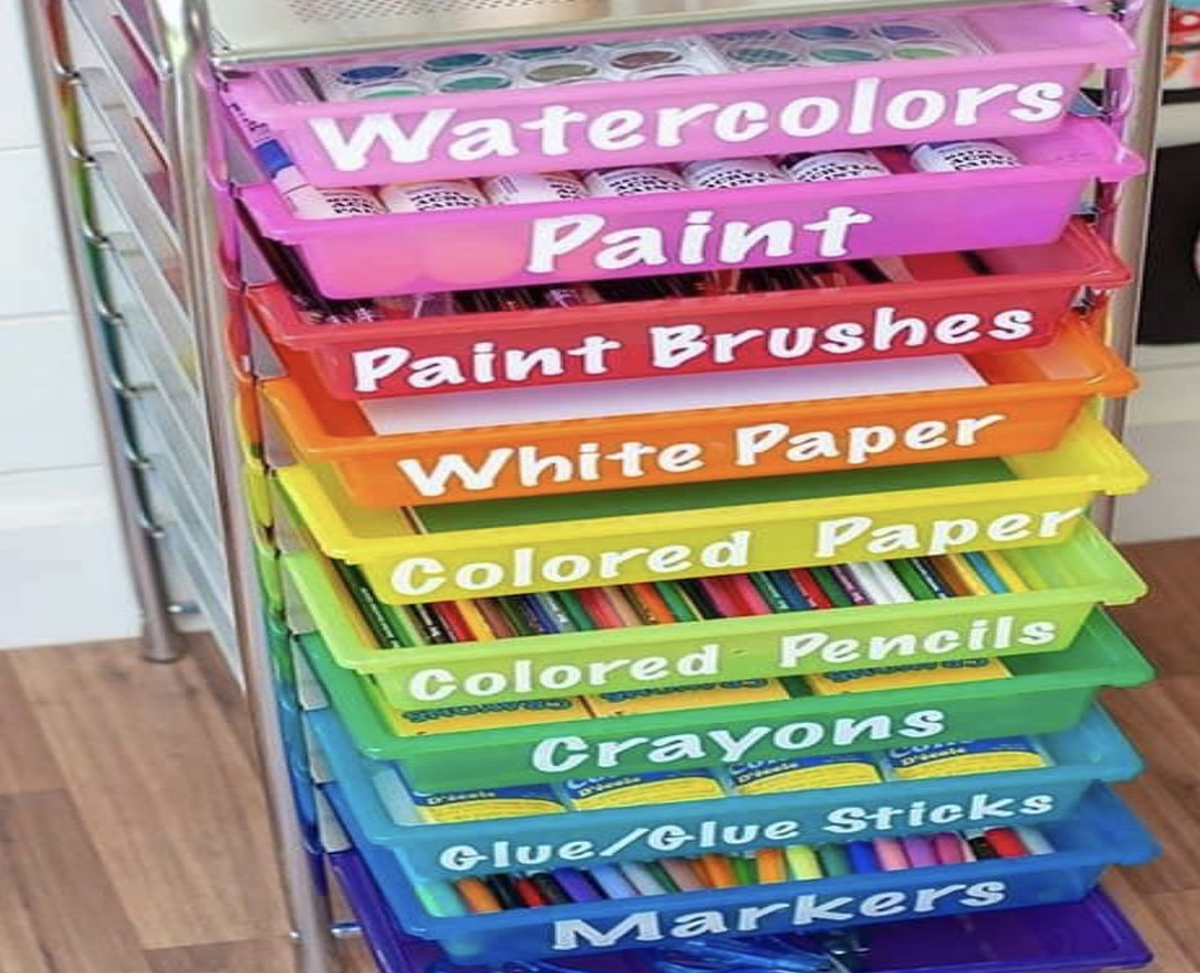
Educator Tips
- Rotate materials to keep interest fresh.
- Link art projects to themes (seasons, celebrations, stories).
- Encourage process over product—focus on exploration, not perfection.
- Use reflective prompts: “What did you enjoy making today?” or “How did you choose those colours?"
- Connect art to EYLF outcomes: identity, community, wellbeing, learning, communication.
Image Credits:
Image 1 - Rossella Dettori Windsor, Pinterest
Image 2—Kimberly, Pinterest
Image 3—Brittany Hemm, Pinterest
Image 4—Rose McInnes, Pinterest
Image 5—Jennifer Pavilonis Healing and Magick, Pinterest
Image 6—MD, Pinterest
Image 7 - Stephanie Paul, Pinterest
Image 8—Jessi Almstead, Pinterest
Image 9—Familienleben leicht gemacht—Tipps für Eltern & Kinder, Pinterest
Image 10—Mylla Karolayne, Pinterest
Image 11—Fausta Cirtoli, Pinterest
Image 12—Rose McInnes, Pinterest
Image 13—Rebecca Bliss, Pinterest
Image 14—Dorothy Carr, Pinterest
Image 15—Sinem, Pinterest
Image 16—No Name, Pinterest
Image 17—Rachael Foley, Pinterest
Image 18 - Lauren Waters, Pinterest
Further Reading
Linking Art To The EYLF Learning Outcomes
Benefits Of Art and Craft
50 Process Art Activities
Process Art Vs Product Art In Early Childhood Services
EYLF Curriculum Planning For Creative Arts
Art and Craft Descriptions With Links To The EYLF
Benefits Of Creative Arts For Children In Early Childhood Services
Importance of Displaying Children's Artwork
20 Collaborative Art Projects For Preschoolers
Q: Is Anything Wrong With Using Stencils As Part Of Children's Art
20 Child-Centered Art Activities
Photo Ideas For Art Displays in Early Childhood




 The Children’s Services Award introduces a streamlined classification system and updated pay rates designed to better recognise the skills, qualifications, and responsibilities of early childhood
 The Children’s Services Award has 8 clear levels. These levels make it easier to understand where you fit, based on your experience, qualifications, and responsibilities.
 When working as a qualified early childhood teacher (with a university degree) within a service, your rate of pay will come from the Educational Services
 Diploma-qualified educators play a vital role in early childhood services, taking on responsibilities that range from supporting children’s learning and development to leading rooms and
 Certificate III qualified educators form the backbone of early childhood services, providing essential care and learning support for children across all settings. Their wages under
 Early Childhood Teachers (ECTs) play a vital role in leading curriculum and pedagogy in early learning settings. Regulation 272 of the Education and Care Services
 Discover how school readiness programs support children’s independence, confidence, and skills for a successful transition into primary school.
 When an Educator is not performing their tasks or responsibilities at best practice, these issues need to be addressed for the Educator to understand where
 Educators can maximise tax deductions by claiming classroom supplies, training, union fees, and home office costs this financial year.
 A staff appraisal is a formal, systematic process of determining and reviewing the performance of early childhood educators over a period of time, usually a