Setting meaningful goals helps educators grow professionally, strengthen practice, and enrich children’s learning experiences. This guidance sheet is designed to support each educator in identifying achievable, realistic goals that align with the EYLF and NQS. By focusing on small, practical steps, educators can celebrate progress, build confidence, and contribute to a culture of continuous improvement across the service.
Professional Practice
- Strengthen documentation skills by completing at least one reflective entry per week.
- Engage in ongoing professional learning (e.g., attend 2–3 workshops or webinars).
- Contribute to Quality Improvement Plan (QIP) updates each term.
- Practice reflective journaling to identify strengths and areas for growth.
Curriculum & Children’s Learning
- Embed sustainability practices (e.g., recycling, gardening, and energy-saving routines).
- Plan and implement inclusive experiences that reflect diverse cultures and languages.
- Support STEM learning through at least one hands-on activity per month.
- Document clear links between EYLF outcomes and daily program planning.
Relationships & Teamwork
- Mentor a Cert III or Diploma student at least once during the year.
- Strengthen family partnerships by sharing two positive updates per child each term.
- Participate in team reflections to improve communication and collaboration.
- Contribute ideas to at least one room or centre-wide project.
Compliance & Safety
- Stay updated with regulatory changes and apply them in practice.
- Complete all mandatory training (child protection, first aid, food safety).
- Ensure risk assessments are completed before excursions or special events.
- Maintain accurate attendance and incident records consistently.
Wellbeing & Balance
- Practice self-care routines (e.g., mindfulness, exercise, or journaling).
- Set boundaries to maintain work-life balance.
- Use time management strategies to reduce stress during documentation.
- Celebrate small wins with colleagues to boost morale.
Suggested Yearly Milestones
- Term 1: Focus on documentation and compliance basics.
- Term 2: Embed sustainability and inclusive practices.
- Term 3: Strengthen mentoring and teamwork.
- Term 4: Reflect on achievements and set new goals for the following year.
Goals are not just paperwork; they are stepping stones toward professional growth and better outcomes for children. Success comes from revisiting these goals regularly, celebrating achievements, and supporting one another along the way.
Further Reading
SMART Goals for Educators
One-Word Goals
List Of Professional Development Goals To Implement
Reflective Practice and Goal Setting


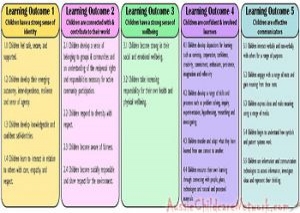 Here is the list of the EYLF Learning Outcomes that you can use as a guide or reference for your documentation and planning. The EYLF
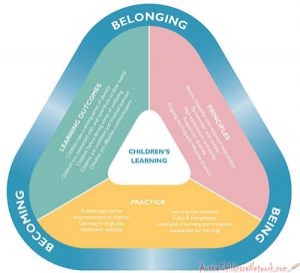 The EYLF is a guide which consists of Principles, Practices and 5 main Learning Outcomes along with each of their sub outcomes, based on identity,
 This is a guide on How to Write a Learning Story. It provides information on What Is A Learning Story, Writing A Learning Story, Sample
 One of the most important types of documentation methods that educators needs to be familiar with are “observations”. Observations are crucial for all early childhood
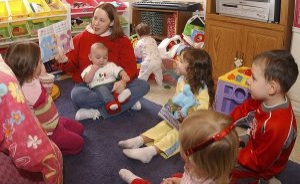 To support children achieve learning outcomes from the EYLF Framework, the following list gives educators examples of how to promote children's learning in each individual
 Reflective practice is learning from everyday situations and issues and concerns that arise which form part of our daily routine while working in an early
 When observing children, it's important that we use a range of different observation methods from running records, learning stories to photographs and work samples. Using
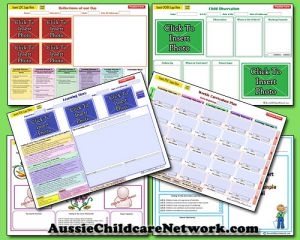 Within Australia, Programming and Planning is reflected and supported by the Early Years Learning Framework. Educators within early childhood settings, use the EYLF to guide
 This is a guide for educators on what to observe under each sub learning outcome from the EYLF Framework, when a child is engaged in
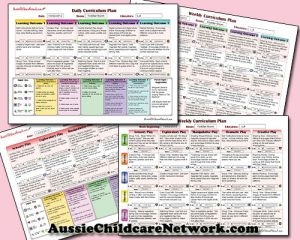 The Early Years Learning Framework describes the curriculum as “all the interactions, experiences, activities, routines and events, planned and unplanned, that occur in an environment