Designing a nursery room for infants and toddlers (0–2 years) requires more than just arranging furniture; it’s about creating a safe, nurturing, and developmentally rich environment that aligns with the NQS and the EYLF. At this age, children are forming their earliest attachments, exploring the world through their senses, and developing foundational skills for movement, communication, and social interaction.
A well-considered nursery setup balances comfort, safety, and stimulation, offering spaces for rest, play, and discovery. It should reflect cultural inclusivity, support emotional wellbeing, and encourage independence—even in the smallest ways, such as allowing babies to reach for toys or explore soft climbing structures. By thoughtfully designing zones for sleep, sensory play, bonding, and outdoor exploration, educators can create environments that not only meet compliance requirements but also foster joy, curiosity, and belonging for every child.
Key Nursery Room Setup Ideas
1. Defined Learning Zones
- Reading Corner: Soft rugs, beanbags, low shelves with picture books.
- Creative Area: Art supplies, easels, washable surfaces for painting/drawing.
- Construction Zone: Blocks, puzzles, and manipulatives to encourage problem-solving.
- Role Play Area: Mini kitchen, dress-up clothes, dolls for imaginative play.
- Sensory Zone: Sand/water tables, tactile materials (rice, beads, fabrics).
2. Comfort & Safety
- Calm Area: Cushions, soft lighting, and emotion cards for self-regulation.
- Nap/Rest Space: Cots or mats with soothing colors and gentle music.
- Safety Features: Rounded furniture edges, non-slip flooring, child-height storage.
3. Accessibility & Independence
- Low shelves so children can self-select materials.
- Clearly labeled bins with pictures for easy tidying.
- Child-sized furniture to promote autonomy.
4. Nature & Sustainability
- Indoor plants or nature-themed displays (but safe, non-toxic).
- Natural materials (wooden toys, wicker baskets).
- Recycled/DIY resources (cardboard playhouses, fabric scraps for crafts).
Visual & Emotional Design
- Colours: Soft pastels or earthy tones to create calmness.
- Displays: Children’s artwork, EYLF outcome posters, thematic boards (e.g., “Seasons,” “Feelings”).
- Lighting: Natural light where possible; warm lamps for cozy corners.
Photo Ideas


Creating a nursery room for infants and toddlers is about more than meeting compliance—it’s about shaping the earliest experiences of belonging, safety, and discovery. By thoughtfully designing spaces for rest, sensory exploration, bonding, and creative play, educators can provide environments that nurture both wellbeing and curiosity.
Ultimately, the most effective nursery setups are those that reflect the values of care, inclusivity, and joy, creating spaces where every child feels secure, supported, and inspired to explore the world around them.
Further Reading
Working In The Nursery Room In Early Educational Services
Nursery Room Activities and Toys
A Curiosity Approach In The Babies Room
Achieving EYLF Outcome 1 In The Babies Room
Brain Boosting Activities For Babies
Writing Observations For Babies
Art With Babies and Toddlers
Outdoor Play With Babies
Infant And Toddler Pedagogy
Image References
Image 1 - No Name, Pinterest
Image 2 - GECCDallas, Pinterest
Image 3 - Christie Hord, Pinterest
Image 4 - Montessori Academy Childcare Centres, Pinterest
Image 5 - Daniela M. , Pinterest
Image 6 - Susana Gomez , Pinterest
Image 7 - Rebecca Weyer, Pinterest
Image 8 - Bright Horizons UK, Pinterest
Image 9 - Bright Horizons UK, Pinterest
Image 10 - No Name, Pinterest
Image 11 - Begoña Hevia Fernández , Pinterest
Image 12—Scallywags Nursery Chelmsford, Essex, England
Image 13 - Rose McInnes, Pinterest
Image 14 - No Name, Pinterest
Image 15 - Bright Horizons UK, Pinterest




 The Children’s Services Award introduces a streamlined classification system and updated pay rates designed to better recognise the skills, qualifications, and responsibilities of early childhood
 The Children’s Services Award has 8 clear levels. These levels make it easier to understand where you fit, based on your experience, qualifications, and responsibilities.
 When working as a qualified early childhood teacher (with a university degree) within a service, your rate of pay will come from the Educational Services
 Diploma-qualified educators play a vital role in early childhood services, taking on responsibilities that range from supporting children’s learning and development to leading rooms and
 Certificate III qualified educators form the backbone of early childhood services, providing essential care and learning support for children across all settings. Their wages under
 Early Childhood Teachers (ECTs) play a vital role in leading curriculum and pedagogy in early learning settings. Regulation 272 of the Education and Care Services
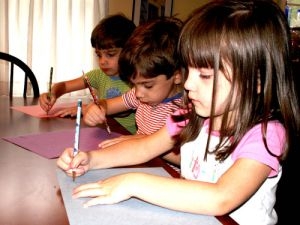 Discover how school readiness programs support children’s independence, confidence, and skills for a successful transition into primary school.
 When an Educator is not performing their tasks or responsibilities at best practice, these issues need to be addressed for the Educator to understand where
 Educators can maximise tax deductions by claiming classroom supplies, training, union fees, and home office costs this financial year.
 A staff appraisal is a formal, systematic process of determining and reviewing the performance of early childhood educators over a period of time, usually a