Critical reflection is more than just “thinking back” on what happened in your classroom. It’s about questioning assumptions, exploring values, and considering the broader influences that shape practice. Embedding it into daily routines helps educators move beyond surface‑level reflection and create meaningful, transformative change.
Step 1: Differentiate Reflection from Critical Reflection
- Reflection: Describes what happened and how you felt.
- Critical Reflection: Questions why it happened, whose voices were included/excluded, and what values or systems influenced the outcome.
Example:
- Reflection: “Children enjoyed the messy play, but cleanup was difficult.”
- Critical Reflection: “Some children avoided messy play—was this due to cultural expectations, sensory needs, or my assumptions? How can I adapt for inclusivity?”
Step 2: Use Guiding Questions
Embed prompts into your daily practice to move beyond description:
- Whose perspectives are represented here?
- What assumptions am I making about children, families, or learning?
- How does this align with EYLF principles and NQS standards?
- What changes could make this practice more equitable or inclusive?
Step 3: Build Reflection Into Routines
- Daily check‑ins: Spend 5 minutes after group time or activities asking “what worked, what didn’t, and why.”
- Team meetings: Dedicate part of staff meetings to critical reflection on practice, not just logistics.
- Documentation: Move beyond “children enjoyed the activity” to “why some children may not have engaged, and what cultural or systemic factors influenced participation.”
Step 4: Use Tools and Formats
- Reflection journals: Quick notes for daily practice.
- Critical reflection logs: Structured templates with guiding questions.
- Visual prompts: Posters or cue cards in staff areas reminding educators to ask deeper questions.
- Collaborative boards: Shared spaces where staff can record reflections and responses.
Step 5: Overcome Common Challenges
- Time pressure: Keep reflections short but focused—quality over quantity.
- Discomfort: Normalize questioning bias as professional growth, not personal criticism.
- Documentation gaps: Capture insights formally so they inform planning and compliance.
Step 6: Link Reflection to Action
Critical reflection should lead to change.
- Adjust activities to be more inclusive.
- Diversify resources to represent different cultures and perspectives.
- Review policies to ensure they align with values of equity and inclusion.
Embedding critical reflection isn’t about adding more work—it’s about shifting mindset. By weaving reflection into daily routines, using guiding questions, and linking insights to action, educators can transform practice and meet both professional and compliance standards.
Daily Critical Reflection Questions for Educators
Critical reflection questions help educators move beyond “what happened” to explore “why it happened” and “what values or systems shaped it.” Embedding these prompts into daily practice ensures reflection leads to equity, inclusion, and transformative change.
About Children’s Learning & Engagement
- Whose voices and perspectives were represented in today’s learning experiences?
- Which children were most engaged, and which were less involved? Why might that be?
- Did the activity reflect diverse cultural, linguistic, and social backgrounds?
- Were all children able to access and participate meaningfully?
About Educator Practice
- What assumptions did I bring into this activity or interaction?
- How did my personal values, beliefs, or biases influence decisions today?
- Did I respond equitably to children’s different needs and behaviours?
- How did I model respect, inclusion, and emotional safety?
About Systems & Environment
- How does this practice align with EYLF principles and NQS standards?
- What structural or environmental factors supported or limited participation?
- Did the setup of the space encourage equity and inclusion?
- What systemic issues (e.g., routines, policies, resources) influenced outcomes today?
About Families & Community
- Were family perspectives considered in planning or reflection?
- How accessible was communication for families with diverse needs?
- Did today’s practice strengthen partnerships with families and the community?
How to Embed These Questions
- Quick daily check-ins: Choose 1–2 questions to discuss at the end of each day.
- Team reflection logs: Record responses weekly to track patterns and inform planning.
- Visual prompts: Post these questions in staff areas to remind educators to go deeper.
- Link to action: Always connect insights to changes in practice, environment, or communication.
Critical reflection doesn’t need to be lengthy—one deep question a day can shift practice meaningfully. Over time, these small steps build a culture of inquiry and transformation.
Critical Reflection Samples
SAMPLE 1
"During today’s group story time, I noticed that several children were disengaged and distracted. Initially, I assumed they were simply tired or uninterested. On deeper reflection, I realised the story I chose featured only characters from Western culture and was presented solely in English. This may have limited engagement for children from diverse cultural and linguistic backgrounds.
I also recognised my own bias in selecting a book I personally enjoy, rather than considering whether it reflected the identities of all children in the group. This raises questions about whose voices and experiences are represented in our daily program.
Moving forward, I plan to diversify our story collection to include texts in multiple languages and stories that reflect different cultural traditions. I will also invite families to suggest books that resonate with their children’s backgrounds. This will help ensure our literacy experiences are inclusive, equitable, and aligned with EYLF principles of belonging and identity."
Why This Is Critical Reflection
- Goes beyond description: Not just “children were distracted,” but why they might have been.
- Challenges assumptions: Recognises bias in book selection.
- Considers systemic influences: Language and cultural representation in resources.
- Leads to action: Plans to diversify texts and involve families.
SAMPLE 2
Group Time
"At group time, I chose a story about farm animals. Most children listened attentively, but a few seemed disengaged. I assumed they were restless. On deeper reflection, I realised the story didn’t reflect the cultural backgrounds of many children in the group. This makes me question whether my book choices consistently represent diverse identities. To address this, I’ll expand our library with multilingual and culturally varied texts, and invite families to share stories from home."
SAMPLE 3
Family Communication
"In our weekly newsletter, I shared photos and updates about classroom activities. Families responded positively, but I noticed limited engagement from families with English as an additional language. Initially, I thought they were simply busy. On reflection, I recognised that language accessibility may be a barrier. This raises questions about inclusivity in communication. I plan to trial translated summaries and visual formats to ensure all families can access and feel connected to our program."
SAMPLE 4
Behaviour Guidance
"Today, I redirected a child who was running indoors. My immediate reflection was that the child needed clearer boundaries. On critical reflection, I considered whether the indoor environment offered enough space for energetic movement and whether my response prioritised compliance over understanding the child’s needs. This makes me question how our setup supports self‑regulation. I’ll explore creating a designated movement area indoors and involve the child in co‑constructing safety rules."
Each sample shows how critical reflection:
- Moves beyond description into why and whose voices are included/excluded.
- Challenges assumptions and considers systemic influences.
- Leads to actionable change that improves equity, inclusion, and practice.
Embedding critical reflection in daily practice isn’t about adding more tasks to an already full schedule—it’s about shifting the way we think. By asking deeper questions, challenging assumptions, and linking insights to action, educators transform everyday routines into opportunities for growth. Reflection helps us see what happened; critical reflection helps us understand why it happened and how we can do better.
When embedded consistently, critical reflection becomes part of the culture of your service. It strengthens compliance with EYLF and NQS, but more importantly, it ensures that every child’s voice, identity, and experience are valued. Small steps—like daily prompts, team discussions, and inclusive planning—build towards long‑term, transformative change.
Remember: Reflection improves practice. Critical reflection transforms it.
Further Reading
Educators Guide To Critical Reflections
Practical Examples Of Critical Reflections In Early Childhood
Ideas to Organise and Document Critical Reflections
Reflection Vs Critical Reflection
How To Write A Critical Reflection In Early Childhood
Q: How Can I Create My Own Critical Reflections?




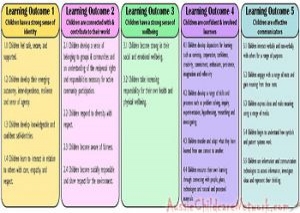 Here is the list of the EYLF Learning Outcomes that you can use as a guide or reference for your documentation and planning. The EYLF
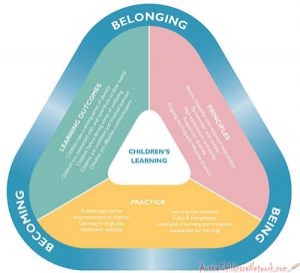 The EYLF is a guide which consists of Principles, Practices and 5 main Learning Outcomes along with each of their sub outcomes, based on identity,
 This is a guide on How to Write a Learning Story. It provides information on What Is A Learning Story, Writing A Learning Story, Sample
 One of the most important types of documentation methods that educators needs to be familiar with are “observations”. Observations are crucial for all early childhood
 To support children achieve learning outcomes from the EYLF Framework, the following list gives educators examples of how to promote children's learning in each individual
 Reflective practice is learning from everyday situations and issues and concerns that arise which form part of our daily routine while working in an early
 When observing children, it's important that we use a range of different observation methods from running records, learning stories to photographs and work samples. Using
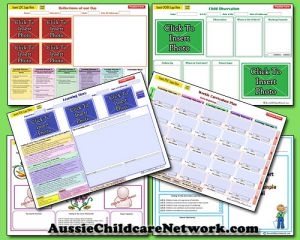 Within Australia, Programming and Planning is reflected and supported by the Early Years Learning Framework. Educators within early childhood settings, use the EYLF to guide
 This is a guide for educators on what to observe under each sub learning outcome from the EYLF Framework, when a child is engaged in
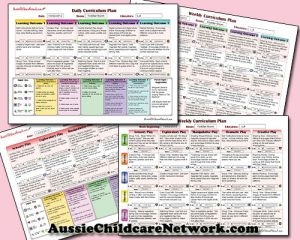 The Early Years Learning Framework describes the curriculum as “all the interactions, experiences, activities, routines and events, planned and unplanned, that occur in an environment