


The Children’s Services Award has 8 clear levels. These levels make it easier to understand where you fit, based on your experience, qualifications, and responsibilities. Each level links directly to the minimum wage you’re entitled to, giving educators a straightforward career path and fairer pay structure.
Within early childhood settings and as part of the daily routine, group time has become a teaching strategy in order to gather children together to have discussions, read stories, sing songs, etc. The following article provides information on What Is Group Time, When To Have Group Time, What To Do During Group Time, Managing group Time and more.
 Here is the list of the EYLF Learning Outcomes that you can use as a guide or reference for your documentation and planning. The EYLF… Read More
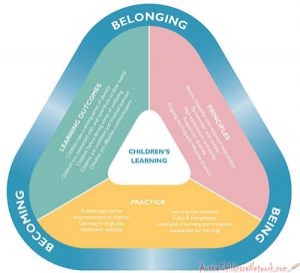 The EYLF is a guide which consists of Principles, Practices and 5 main Learning Outcomes along with each of their sub outcomes, based on identity,… Read More
 This is a guide on How to Write a Learning Story. It provides information on What Is A Learning Story, Writing A Learning Story, Sample… Read More
 One of the most important types of documentation methods that educators needs to be familiar with are “observations”. Observations are crucial for all early childhood… Read More
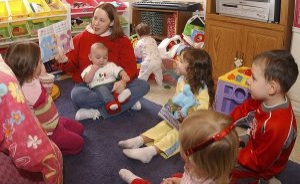 To support children achieve learning outcomes from the EYLF Framework, the following list gives educators examples of how to promote children's learning in each individual… Read More
 Reflective practice is learning from everyday situations and issues and concerns that arise which form part of our daily routine while working in an early… Read More
 When observing children, it's important that we use a range of different observation methods from running records, learning stories to photographs and work samples. Using… Read More
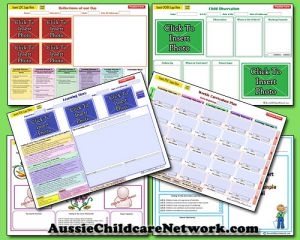 Within Australia, Programming and Planning is reflected and supported by the Early Years Learning Framework. Educators within early childhood settings, use the EYLF to guide… Read More
 This is a guide for educators on what to observe under each sub learning outcome from the EYLF Framework, when a child is engaged in… Read More
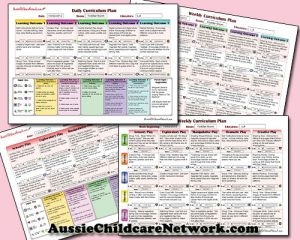 The Early Years Learning Framework describes the curriculum as “all the interactions, experiences, activities, routines and events, planned and unplanned, that occur in an environment… Read More
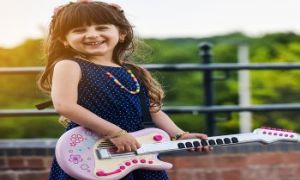
Children begin to learn that music and movement communicate messages and represents actions. Music naturally delights...
See more...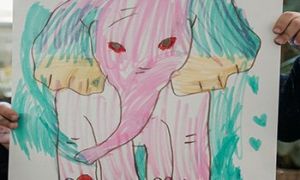
A work sample observation in early childhood education is a method used by educators to...
See more...
Supervision in an OSHC setting means more than just “watching” children; it’s about actively ensuring...
See more...