



Descriptive praise and appreciative praise are powerful tools for encouraging positive behavior and fostering intrinsic motivation in children. The following article provides information on Descriptive Praise, Appreciative Praise, Examples and more.
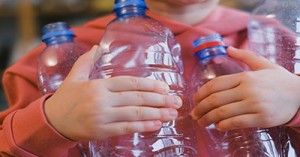
Actively managing waste in an early learning service is essential for sustainability, cost efficiency, and environmental responsibility. Here are some effective strategies to implement waste management:
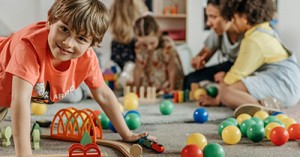
Creating a warm and inviting space in a pack-up, pack-down setting can be challenging, but with a few thoughtful touches, you can transform the environment into a welcoming and engaging space for children and families. Here are some tips and tricks to enhance the atmosphere:
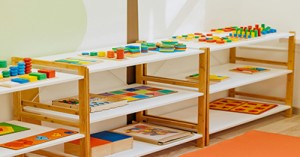
The following article provides information on Strategies For Getting Educators Engaged In Planned Activities, Create A Simple, Visual Planning Board, Encourage Educators To Co-Create The Program and more.
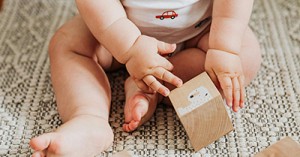
A Curiosity Approach environment fosters exploration, creativity, and sensory-rich experiences, making learning feel natural and engaging. Here are some additional ideas to enhance your nursery room setup.
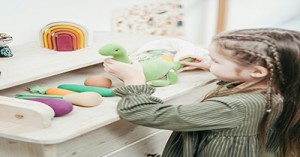
Creating responsive play spaces means designing environments that adapt to children's interests, needs, and developmental stages. Here are some key strategies:
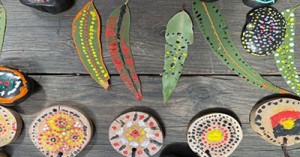
Incorporating Indigenous resources into playspaces helps create a culturally rich and inclusive environment that fosters respect, learning, and connection to First Nations traditions. Here are some ways to modify playspaces meaningfully to incorporate Aboriginal and Torres Strait Islander resources.
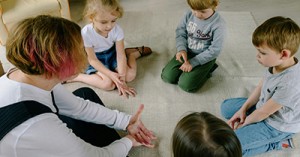
Here are some ideas on how to make your Yarning Circle more meaningful and to help reframe the sharing time while keeping the children engaged.
Mindful praise helps children develop intrinsic motivation and confidence by focusing on effort, creativity, and problem-solving rather than just the outcome. Here are some alternatives to saying "Good job!".
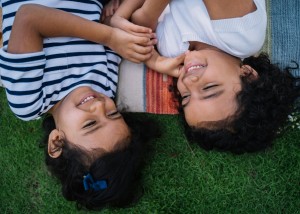
Rough-and-tumble play—often called play fighting—is a form of physical, high-energy play that helps children develop social, emotional, and physical skills. It includes activities like wrestling, chasing, tumbling, and playful grappling, but without aggression or intent to harm.
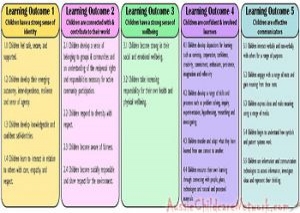 Here is the list of the EYLF Learning Outcomes that you can use as a guide or reference for your documentation and planning. The EYLF… Read More
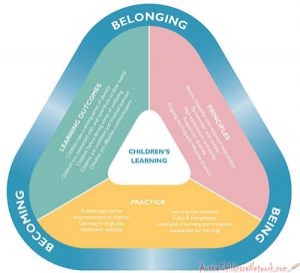 The EYLF is a guide which consists of Principles, Practices and 5 main Learning Outcomes along with each of their sub outcomes, based on identity,… Read More
 This is a guide on How to Write a Learning Story. It provides information on What Is A Learning Story, Writing A Learning Story, Sample… Read More
 One of the most important types of documentation methods that educators needs to be familiar with are “observations”. Observations are crucial for all early childhood… Read More
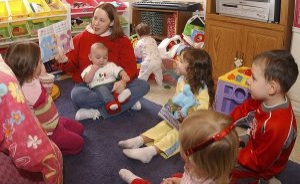 To support children achieve learning outcomes from the EYLF Framework, the following list gives educators examples of how to promote children's learning in each individual… Read More
 Reflective practice is learning from everyday situations and issues and concerns that arise which form part of our daily routine while working in an early… Read More
 When observing children, it's important that we use a range of different observation methods from running records, learning stories to photographs and work samples. Using… Read More
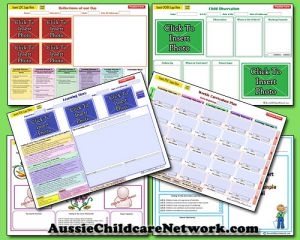 Within Australia, Programming and Planning is reflected and supported by the Early Years Learning Framework. Educators within early childhood settings, use the EYLF to guide… Read More
 This is a guide for educators on what to observe under each sub learning outcome from the EYLF Framework, when a child is engaged in… Read More
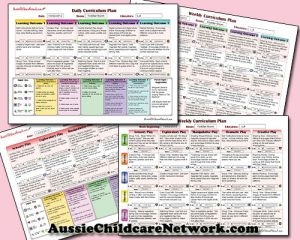 The Early Years Learning Framework describes the curriculum as “all the interactions, experiences, activities, routines and events, planned and unplanned, that occur in an environment… Read More
The Early Years Learning Framework (EYLF) guides how we document, plan, and reflect on children’s...
See more...
Pregnancy is often described as a season of joy and anticipation. For early childhood educators...
See more...
A: Yes, Transition to School Statements are highly beneficial and increasingly considered necessary in Australia...
See more...