An engaging learning environment is more than just a classroom setup — it’s a living, breathing space that nurtures curiosity, independence, and joy. When thoughtfully designed, these environments foster a love of learning, support children’s development, and reflect the diversity of the communities they serve. Importantly, educators don’t need large budgets to achieve this; creativity, resourcefulness, and child-led input can transform even the simplest settings into vibrant learning hubs.
Core Strategies for Engagement
1. Warm and Inviting Atmosphere
- Use soft, calming tones for walls and furniture.
- Add pops of bright color through children’s artwork or seasonal decorations.
Educator Tip: Fairy lights or paper lanterns can create a cozy, magical feel at very low cost.
2. Child-Centered Design
- Arrange furniture and materials at child-friendly heights.
- Provide flexible seating options like beanbags, cushions, or milk crates with padding.
Low-Cost Hack: Repurpose pallets or cardboard boxes as seating or play stations.
3. Interactive Elements
- Sensory bins with rice, pasta, or beans encourage tactile exploration.
- Magnetic boards or felt boards allow children to create and re-create stories.
Practical Example: A “cause-and-effect” water table using recycled containers teaches pouring, floating, and sinking.
4. Nature and Play Integration
- Introduce plants, shells, or stones indoors.
- Create outdoor mini-gardens or obstacle courses with recycled tires and ropes.
Educator Tip: Painted rocks can double as storytelling props or math counters.
5. Activity Zones
- Quiet Reading Zone: Cushions, donated books, fairy lights.
- Creative Arts Zone: Egg cartons, cereal boxes, fabric scraps for collage-making.
- Role-Play Zone: Cardboard box “shops” or “spaceships” with hand-drawn props.
Low-Cost Hack: Use masking tape to mark zones on the floor instead of buying partitions.
6. Celebrate Cultural Diversity
- Display multicultural books and artwork.
- Incorporate traditions and stories from different cultures into activities.
Practical Example: Invite families to share recipes, songs, or artifacts for themed weeks.
7. Mindfulness and Calmness
- Create a quiet corner with soft lighting and calming jars.
- Include breathing cards or yoga prompts.
Educator Tip: A shoebox “calm kit” with stress balls, coloring sheets, and glitter jars can be rotated among children.
How To Incorporate Interactive Elements
1. Tactile Learning Materials
-
Provide resources like sensory bins filled with sand, rice, or small objects for children to explore textures.
-
Include interactive wall panels with buttons, levers, or textured surfaces that children can touch and manipulate.
2. Interactive Displays
-
Set up magnetic boards or felt boards where children can move letters, shapes, or pictures around to create stories or patterns.
-
Use whiteboards or chalkboards for them to express their creativity or practice writing and drawing.
3. Cause-and-Effect Activities
-
Incorporate activities like water tables, where they can explore concepts of pouring, floating, and sinking.
-
Introduce simple machines or toys that demonstrate actions like pulling, pushing, or turning.
4. Role-Playing Areas
-
Create interactive play spaces like a "grocery store" with toy food and cash registers or a "doctor's clinic" with pretend medical kits.
-
Rotate themes based on children's interests to keep the areas fresh and engaging.
5. Technology Integration
-
Use age-appropriate educational apps or interactive screens for learning games and activities.
-
Introduce programmable toys or simple robotics to encourage problem-solving skills.
6. Movement-Based Interaction
-
Set up a mini obstacle course or include balance boards for active play.
-
Use interactive floor or wall projections to engage children in movement-based learning games.
Creating Zones For Different Activities
Creating distinct zones for different activities can help structure a learning environment and make it more engaging for children. Here are some ideas for setting up such zones in your classroom or childcare center:
1. Quiet Reading Zone
-
Furnish with soft rugs, beanbags, or cushions to create a cozy, inviting space.
-
Include shelves filled with age-appropriate books, perhaps even a mix of fiction, non-fiction, and multicultural stories.
-
Add fairy lights or a small canopy to make it feel magical.
2. Active Play Zone
-
Dedicate a space for physical activities like building blocks, obstacle courses, or large motor games.
-
Provide props such as jump ropes, balance boards, or soft play mats for movement-based play.
-
Ensure the area is safe with plenty of room to move around freely.
3. Creative Arts Zone
-
Stock with art supplies like crayons, watercolors, scissors, and craft paper.
-
Add an easel for painting and a table for group art projects.
-
Display children’s artwork on the walls to celebrate their creativity.
4. Role-Play Zone
-
Set up themed areas, like a mini kitchen, grocery store, or doctor’s clinic, with props for imaginative play.
-
Rotate themes based on the children’s current interests to keep this area fresh and exciting.
5. Sensory Exploration Zone
-
Include materials like sand trays, water tables, or sensory bins filled with items like rice, beans, or small toys.
-
Provide tools like funnels, scoops, and brushes to support exploration.
-
Incorporate natural elements such as pinecones, leaves, or shells for variety.
6. Mindfulness or Calm Zone
-
Create a peaceful area with soft lighting, soothing music, and comfortable seating for children to relax.
-
Add tools like stress balls, calming jars, or simple yoga and breathing cards to help children unwind.
7. STEM/Inquiry Zone
-
Equip with materials for building, exploring, and experimenting, such as magnets, gears, or simple science kits.
-
Provide tools like magnifying glasses or binoculars for nature exploration.
-
Incorporate puzzles or coding toys to encourage problem-solving.
Keeping The Space Dynamic
Keeping a learning space dynamic ensures that it remains fresh, engaging, and inspiring for children. Here are some ideas to achieve this:
1. Regularly Rotate Materials
-
Switch out toys, books, and resources every few weeks to introduce novelty and maintain interest.
-
Include seasonal or thematic items based on holidays, weather changes, or current events.
2. Embrace Open-Ended Resources
-
Provide materials like loose parts, blocks, or fabrics that can be used in multiple ways, encouraging creativity and exploration.
-
Rotate these items often to keep children curious and stimulated.
3. Update Displays Frequently
-
Showcase children's work, new educational themes, or inspiring visuals to keep the environment evolving.
-
Use bulletin boards to highlight achievements or progress in ongoing projects.
4. Experiment with Layouts
-
Rearrange furniture or play zones periodically to give the space a fresh feel.
-
Create temporary setups, like pop-up tents for reading or themed role-play areas, to surprise and excite children.
5. Incorporate Seasonal Activities
-
Plan activities that align with the season, such as outdoor nature crafts in spring or cozy storytelling sessions in winter.
-
Decorate the space with seasonal elements like flowers, leaves, or festive items.
6. Foster Child-Led Changes
-
Invite children to share their ideas for the space, such as choosing decorations or suggesting new themes.
-
Involve them in creating or organizing zones to nurture a sense of ownership.
7. Encourage Exploration
-
Set up “mystery boxes” with new items for children to discover and play with.
-
Create scavenger hunts or treasure trails to add excitement and adventure.
How To Design The Learning Environment With Little Furniture
Designing a room with little furniture can create a spacious, functional, and welcoming environment. Here are some tips to make the most of minimal furniture:
1. Maximize Floor Space
-
Use floor cushions, rugs, or mats to provide comfortable seating without requiring bulky furniture.
-
Create designated areas (e.g., reading, play, sensory) with different types of floor coverings.
2. Wall-Mounted Solutions
-
Install wall-mounted shelves to store books, toys, and supplies without taking up floor space.
-
Use hooks or pegboards to hang items like bags, coats, or tools for creative activities.
3. Multi-Functional Furniture
-
Invest in pieces that serve multiple purposes, like storage ottomans, foldable tables, or stackable chairs.
-
Consider low shelves that double as seating or platforms for play.
4. Zones With Visual Cues
-
Use area rugs, wall decals, or portable partitions to define specific activity zones.
-
Arrange lightweight storage baskets in different sections to maintain organization and accessibility.
5. Vertical Storage
-
Install tall, narrow shelving units to maximize vertical space while keeping the floor clear.
-
Use labeled bins or baskets on higher shelves for items that aren't used daily.
6. Lightweight and Portable Options
-
Use foldable or stackable furniture that can be tucked away when not in use.
-
Consider portable caddies or carts for art supplies, sensory materials, or books.
7. Natural Light and Mirrors
-
Take advantage of windows to brighten the room and make it feel larger.
-
Position mirrors to reflect light and create an illusion of more space.
8. Open and Inviting Aesthetics
-
Keep decor simple and cohesive to avoid overwhelming the room.
-
Use colors and patterns to create warmth and a sense of purpose for each area.
Planning A Rotation Schedule
Planning a rotation schedule for your learning environment is an excellent way to keep the space engaging and stimulating. Here’s a step-by-step guide tailored to early childhood settings:
1. Identify Key Zones and Materials
-
List all the activity zones in your space (e.g., reading, sensory play, arts and crafts, role-play).
-
Take inventory of toys, books, and materials available for each zone.
2. Define Rotation Frequency
- Decide how often you'll rotate items—weekly, bi-weekly, or monthly. For example:
- Weekly: Sensory bin contents, books, and fine motor activities.
- Bi-weekly or monthly: Large toys, themed materials, or creative art supplies.
3. Align with Themes or Seasons
- Plan rotations around educational themes or seasons to keep learning relevant. For instance:
- Spring: Nature crafts and outdoor activities.
- Space Theme: Rockets, stars, and moon sensory bins.
- Cultural Celebrations: Books, decor, and props tied to specific festivals.
4. Prioritize Diversity and Inclusivity
-
Rotate in items that represent different cultures, languages, and perspectives.
-
Introduce new books or materials that reflect inclusivity and diversity.
5. Engage Children in the Process
-
Let children suggest items to include or swap out. This builds their sense of ownership and involvement.
-
Use their interests to guide rotations, ensuring high engagement.
6. Document Your Plan
- Create a simple table or calendar to track changes.
7. Evaluate and Adjust
-
Observe how children engage with the materials. If something isn’t working, tweak your schedule or items.
-
Keep a “favorites” bin of items children frequently ask for, and reintroduce these periodically.
Rotation Based On Interests
Rotating resources and zones based on children's interests is a fantastic way to keep them engaged and motivated. Here's a plan to incorporate interest-based rotations effectively:
1. Observe Interests
-
Regularly observe children's activities and note recurring themes in their play, such as building, role-playing, or exploring nature.
-
Pay attention to new trends in their interests, like fascination with space, animals, or storytelling.
2. Conduct Informal Surveys
-
Use simple methods to gather feedback, like asking children what they enjoy or introducing items and observing their reactions.
-
Engage them in conversations about their favorite activities or what they'd like to explore next.
3. Tailor Rotations Around Themes
- Create thematic rotations based on popular interests. For example:
- Animals: Sensory bins with plastic animals, books on wildlife, role-play as veterinarians.
- Space: Building rockets with blocks, glow-in-the-dark crafts, reading about astronauts.
- Fairy Tales: Puppet shows, dress-up stations, and storytelling zones.
4. Include Seasonal Elements
-
Combine interests with seasonal changes (e.g., nature-themed activities during spring, snow play in winter).
-
Rotate decorations, books, and props to reflect both interests and seasons.
5. Rotate Zones Based on Interests
- For example:
- If children are interested in building, enhance the STEM zone with new blocks, gears, or construction sets.
- If role-play is popular, refresh the themes of the role-play area (e.g., grocery store, castle, or jungle expedition).
6. Encourage Child Participation
-
Let children vote or suggest materials for upcoming rotations.
-
Assign them small roles in organizing and setting up zones, fostering a sense of ownership.
7. Keep Materials Fresh
-
Within the theme, regularly swap out toys, books, and props to keep the environment dynamic.
-
Introduce items that expand on their interests, encouraging deeper exploration.
8. Track and Plan
-
Maintain a rotation log to track which interests have been covered and plan for future changes.
-
Example of rotation planning:
Sample Rotation Calendar
| Zone | Current Items | Next Rotation Date | New Items / Theme Example |
|---|---|---|---|
| Reading Zone | Animal-themed books, fairy lights | March 1, 2026 | Multicultural folktales, seasonal poetry |
| Sensory Zone | Water beads, funnels, scoops | March 8, 2026 | Kinetic sand, natural items (pinecones, shells) |
| Arts & Crafts | Crayons, collage scraps | March 15, 2026 | Watercolors, recycled cardboard sculpture |
| Role-Play Area | Grocery store setup (boxes, containers) | March 22, 2026 | Space exploration gear (cardboard rockets, helmets) |
| STEM Zone | Building blocks, magnets | March 29, 2026 | Simple machines (pulleys, levers with recycled materials) |
| Calm Zone | Cozy cushions, calm jars | April 5, 2026 | Breathing cards, shoebox “calm kit” rotation |
Engaging learning environments are dynamic, inclusive, and child-centered. By blending creativity with resourcefulness, educators can design spaces that inspire exploration and foster a love of learning. Whether through DIY resources, community contributions, or interest-based rotations, the key is to keep environments fresh, flexible, and responsive to children’s needs.
Further Reading
Learning Environments That Show Respect For Diversity
Incorporating Natural Materials In The Learning Environment
List Of Reflection Questions For The Learning Environment
Designing Intentional Outdoor Learning Environments




 The Children’s Services Award introduces a streamlined classification system and updated pay rates designed to better recognise the skills, qualifications, and responsibilities of early childhood
 The Children’s Services Award has 8 clear levels. These levels make it easier to understand where you fit, based on your experience, qualifications, and responsibilities.
 When working as a qualified early childhood teacher (with a university degree) within a service, your rate of pay will come from the Educational Services
 Diploma-qualified educators play a vital role in early childhood services, taking on responsibilities that range from supporting children’s learning and development to leading rooms and
 Certificate III qualified educators form the backbone of early childhood services, providing essential care and learning support for children across all settings. Their wages under
 Early Childhood Teachers (ECTs) play a vital role in leading curriculum and pedagogy in early learning settings. Regulation 272 of the Education and Care Services
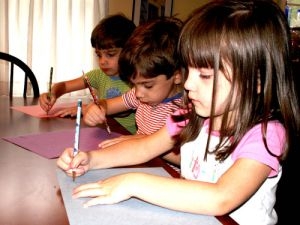 Discover how school readiness programs support children’s independence, confidence, and skills for a successful transition into primary school.
 When an Educator is not performing their tasks or responsibilities at best practice, these issues need to be addressed for the Educator to understand where
 Educators can maximise tax deductions by claiming classroom supplies, training, union fees, and home office costs this financial year.
 A staff appraisal is a formal, systematic process of determining and reviewing the performance of early childhood educators over a period of time, usually a