



For babies, the Acknowledgment of Country is often expressed through sensory-rich, rhythmic, and visual experiences that help them connect to the land and its Traditional Custodians in developmentally appropriate ways. The following article provides Acknowledgment Of Country Ideas For The Babies Room.

An educational leader in early childhood plays a pivotal role in shaping not just curriculum, but the entire culture of a service. The following article provides information on standout qualities that define effective leadership in this space and applying these qualities to a service.
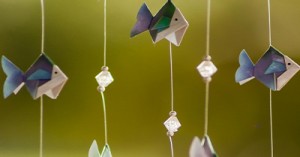
The Sea of Fish Challenge, by Connecting The Dots Through Culture, is a national initiative that invites children, educators, families, and communities to create and display fish artworks as a symbol of unity, culture, and respect for Aboriginal and Torres Strait Islander people. It’s a creative way to embed First Nations perspectives into early childhood settings. The following article provides information on the Purpose, How To Participate, Display ideas, Educator Tips and more.

Here are some heartfelt and playful ideas for an educator that is leaving the service.

Intentional consideration is such a powerful practice — where every interaction and choice can shape a child’s experience. At its heart, it’s about pausing to purposefully reflect before acting, planning, or responding. It's the difference between doing something because “we’ve always done it that way” and doing it because it's best for the children, families, and community you serve.

With the new national child safety reforms kicking in on 1 September 2025, early childhood services like yours have a real opportunity to lead the way. Here’s a clear, practical roadmap to help you and your team feel confident and prepared:
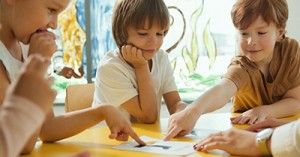
Children’s agency is all about empowering children to make choices, express their ideas, and influence decisions that affect them. It’s not just a buzzword—it’s a cornerstone of respectful, rights-based early childhood education. The following article provides information on Why Is Children's Agency Important, What Are Effective Strategies For Fostering Children's Agency, What Are Some Practical Way To Promote Agency In Children, ACECQA’s Guidance On Supporting Agency and more.

An Individual Learning Plan (ILP) in early childhood is a tailored document that outlines specific goals, strategies, and supports for a child, particularly one with a disability, developmental delay, or unique learning needs. The following article provides information on What Does An ILP Include, Benefits Of Using An ILP, When To Use An ILP, When Is It Not Appropriate To Use An ILP, Creating An Effective ILP, ILP Sample and more.
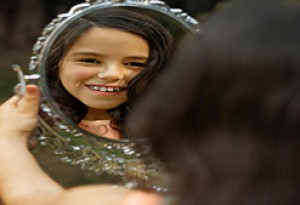
Self-talk is a powerful tool for helping children manage their emotions and behaviors. When used intentionally, it can guide children through tricky moments by giving them the language to pause, reflect, and choose a response. The following article provides information on Why It Works, What Are The Psychological Benefits Of Self-Talk, How to Encourage It, Examples of Self-Talk For Young Children, Activities to Support Self-Talk and more.
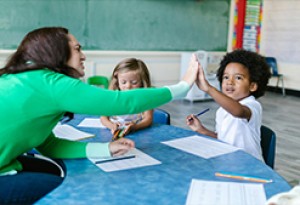
Based on the AEDC 2024 findings, here are 5 targeted strategies services can implement to respond thoughtfully and effectively to rising developmental vulnerabilities.
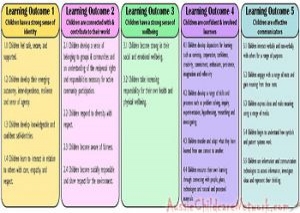 Here is the list of the EYLF Learning Outcomes that you can use as a guide or reference for your documentation and planning. The EYLF… Read More
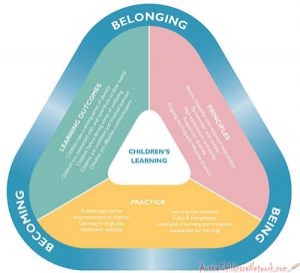 The EYLF is a guide which consists of Principles, Practices and 5 main Learning Outcomes along with each of their sub outcomes, based on identity,… Read More
 This is a guide on How to Write a Learning Story. It provides information on What Is A Learning Story, Writing A Learning Story, Sample… Read More
 One of the most important types of documentation methods that educators needs to be familiar with are “observations”. Observations are crucial for all early childhood… Read More
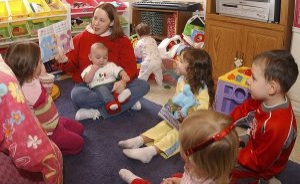 To support children achieve learning outcomes from the EYLF Framework, the following list gives educators examples of how to promote children's learning in each individual… Read More
 Reflective practice is learning from everyday situations and issues and concerns that arise which form part of our daily routine while working in an early… Read More
 When observing children, it's important that we use a range of different observation methods from running records, learning stories to photographs and work samples. Using… Read More
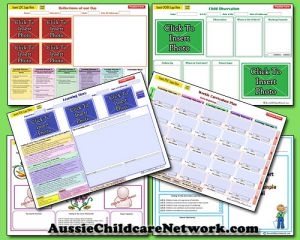 Within Australia, Programming and Planning is reflected and supported by the Early Years Learning Framework. Educators within early childhood settings, use the EYLF to guide… Read More
 This is a guide for educators on what to observe under each sub learning outcome from the EYLF Framework, when a child is engaged in… Read More
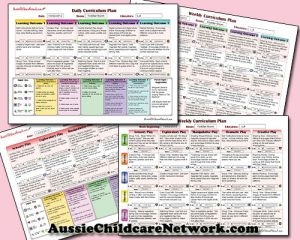 The Early Years Learning Framework describes the curriculum as “all the interactions, experiences, activities, routines and events, planned and unplanned, that occur in an environment… Read More

School readiness means independence, confidence, curiosity, resilience, and relationships—skills that help preschoolers thrive in classrooms.
See more...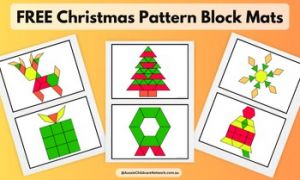
Pattern blocks are a classic early childhood resource, and the Christmas Pattern Block Mats add...
See more...
Educators in NSW childcare and community services gain long service leave entitlements, with portable rights...
See more...